Guests Say San Francisco Pays Nonprofits More as Homeless Caseloads Grow
The guests put the cost at roughly $52,000 per person a year, using their own estimates, and said the aid itself drew people to the city.
 All-In with Chamath, Jason, Sacks & Friedberg · Trump: Send National Guard to SF, China Rare Earths Trade War, AI's PR Crisis
The discussion had turned to signs of improvement in San Francisco, from falling crime to tougher drug enforcement, when investor David Friedberg offered another reason the street problem persisted.
"For every addicted person they add to the flock, they get paid more money," Friedberg said of the nonprofits that worked with homeless people.
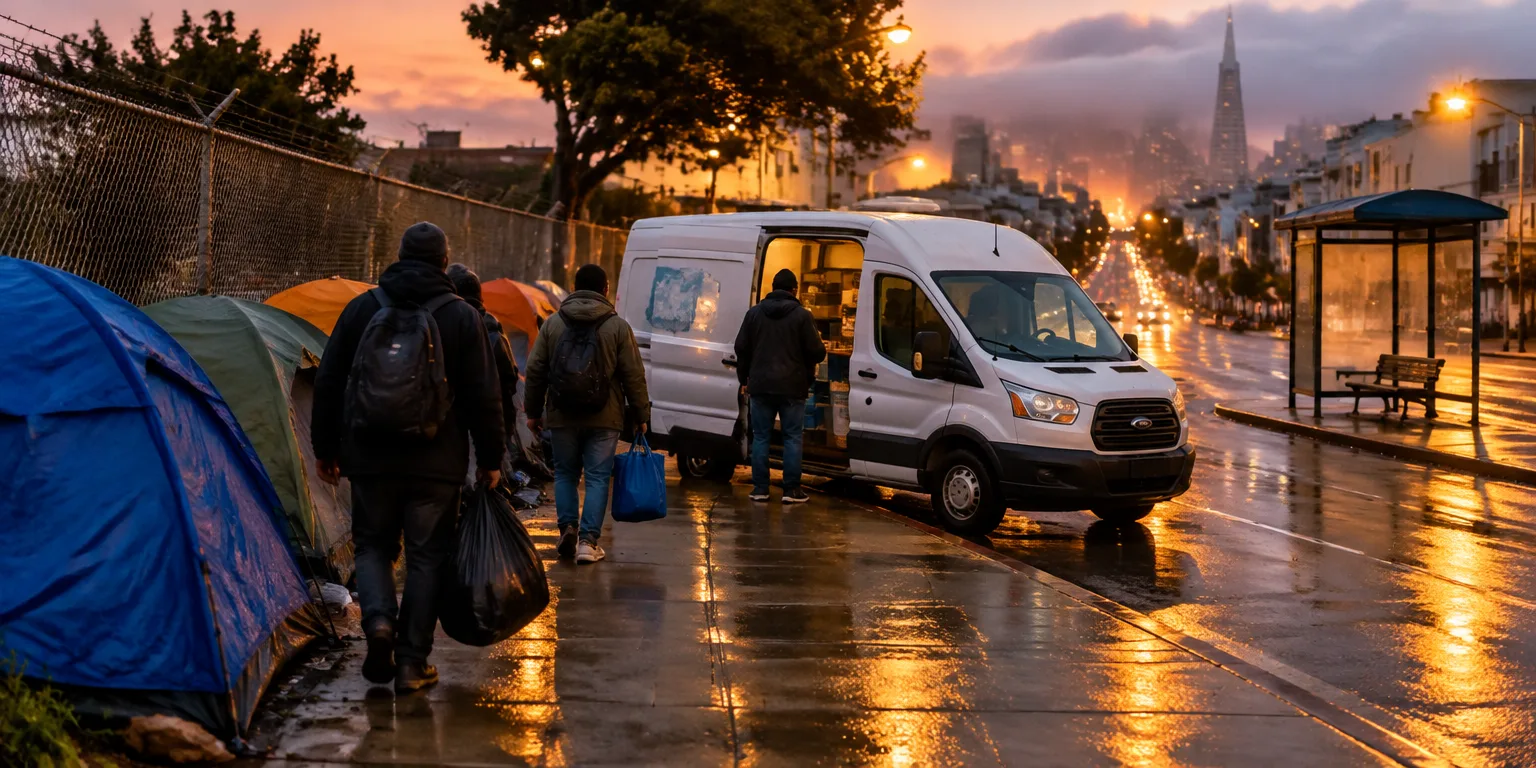
By that, Friedberg said, he meant the city provided about $2 billion a year as of October 2025 to private groups charged with caring for homeless and addicted people. He said the groups were paid more for each addicted person they added, and he concluded that arrangement explained why the problem persisted.
Venture capitalist David Sacks backed the point with rough math. He put the city's homeless budget at $700 million to $800 million, and the homeless population at 8,000 to 20,000, which split to about $52,000 a year per person. Those were his estimates, not an official city figure.
Friedberg also argued that the benefits acted as a magnet, drawing homeless people from around the country and the surrounding area. Both men said the answer had to include policing plus cutting off money that sustained addiction and moving people into forced treatment.
A guest then repeated a line from an economist identified only as Thomas: "You get as much homelessness as you're willing to pay for."
Questions people ask
How do cities usually pay nonprofits that serve homeless people?
Usually through contracts and grants for outreach, shelter beds, housing services, health care, and drug treatment. Many payments rise with beds filled, clients enrolled, or services delivered, so critics say a larger caseload can support a larger budget.
Why is the homeless population given as such a wide range?
Counts are uncertain because people move between streets, shelters, cars, and temporary housing, and survey methods differ. San Francisco conducts regular point in time counts, but guests and officials often cite wide ranges, which is why per person math can swing sharply.