Schools Are Cruel and Boring for the Same Reason: Kids Have Nothing Real to Do
With no real work and no outside test, status turns into a contest over who can win standing from classmates.
 paulgraham.com · Why Nerds are Unpopular
The cruelty of American middle and high school is not separate from the boredom. They come from the same setup.
Paul Graham, a writer recalling his own school years, argues that the world teenagers inhabit is artificial. Suburbs, he writes, are giant nurseries built to breed children and to keep out anything dangerous. Schools inside them are holding pens. Their official job is teaching, but their practical job is keeping children in one place for much of the day while parents are at work.
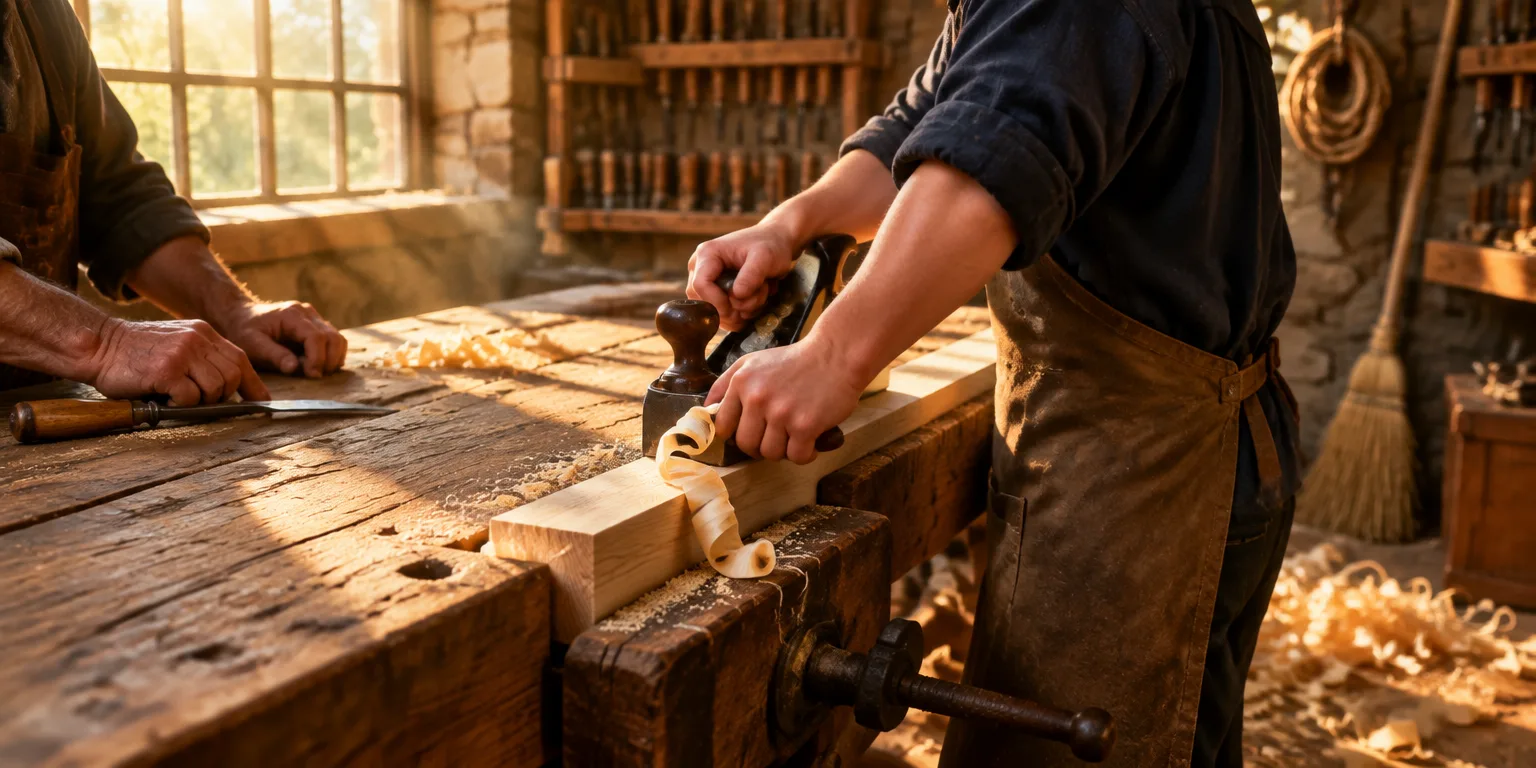
That warehousing, in his account, comes from specialization. In preindustrial life, teenagers were apprentices on farms, in shops, or even on warships. They took part in grown-up society at a junior level, carrying messages, sweeping workshops, and learning visible skills from experts. Now jobs require longer training, so young people who go to college often do not start full-time work until age 21 or 22, and doctors and PhDs may train until 30. Teenagers would mostly get underfoot in a modern workplace, but they are too young to leave unsupervised. So adults collect them together, where a few adults can watch them all.
What school offers in return often feels unreal. Students memorize short lists of historical causes mainly to reproduce them on a test. There is no way to opt out, because adults have agreed that this route leads to college.
Humans like to work, and almost every group forms a hierarchy. When adults form a group for a common purpose, leaders tend to be the most capable at that work. Schools, Graham argues, have no outside purpose that would give rank a real test. Yet hierarchy there must be, so children make one out of nothing.
That is what people mean by a popularity contest. Rank depends less on passing some real test than on the ability to raise your own rank. He compares it to the court of Louis XIV, the French king whose palace society had no outside enemy and turned inward. Graham contrasts this with a football team. As Graham puts it, "A rookie on a football team doesn't resent the skill of the veteran;" he hopes to improve by learning from him, and the veteran in turn may feel the obligation that comes with higher standing. Standing comes from performance against opponents, not from pushing teammates down. Graham writes of American secondary schools, "There is neither admiration at the bottom, nor noblesse oblige at the top." Other students become the opponents, and the society turns, in Graham's phrase, "kill or be killed."
That is why, in this explanation, boredom and meanness rise together. Cooped up with pointless work, children still need a ranking, so they rank each other.
Questions people ask
Did teenagers always suffer like this?
No, at least not in this telling. Before the twentieth century, teenagers commonly worked as apprentices and were treated as junior adults. The modern image of the miserable, hormone-crazed teenager appears alongside suburbia, not from puberty itself.
Why can't schools just give students real work?
Because of specialization and the need for supervision. Most modern office and technical work requires years of training, so teenagers would often slow it down. Since they still need adult oversight, schools default to classroom exercises that are easy to test and watch over, even when students find them pointless.
Would smaller schools or better teachers fix the cruelty?
They could help, but this argument says they would not fix the underlying system. A gifted teacher can make one year memorable, yet still works inside a custodial institution. As long as ranking has no connection to useful work against an outside challenge, competition tends to turn inward.