Schools Can Dull Creativity by Teaching Children to Fear Being Wrong
Education expert Sir Ken Robinson argued that children start out willing to risk a wrong answer, and schools train that daring out of them.
 TED · Do schools kill creativity? | Sir Ken Robinson | TED
Sir Ken Robinson, an educator speaking to an audience gathered to talk about human creativity, had just finished praising an exceptionally dedicated young performer. Then he made his larger claim about all children.
"Creativity now is as important in education as literacy, and we should treat it with the same status."
Robinson argued that children's talent is widespread and wasted. As he put it, "all kids have tremendous talents, and we squander them, pretty ruthlessly." He said creativity should have the same status as literacy.
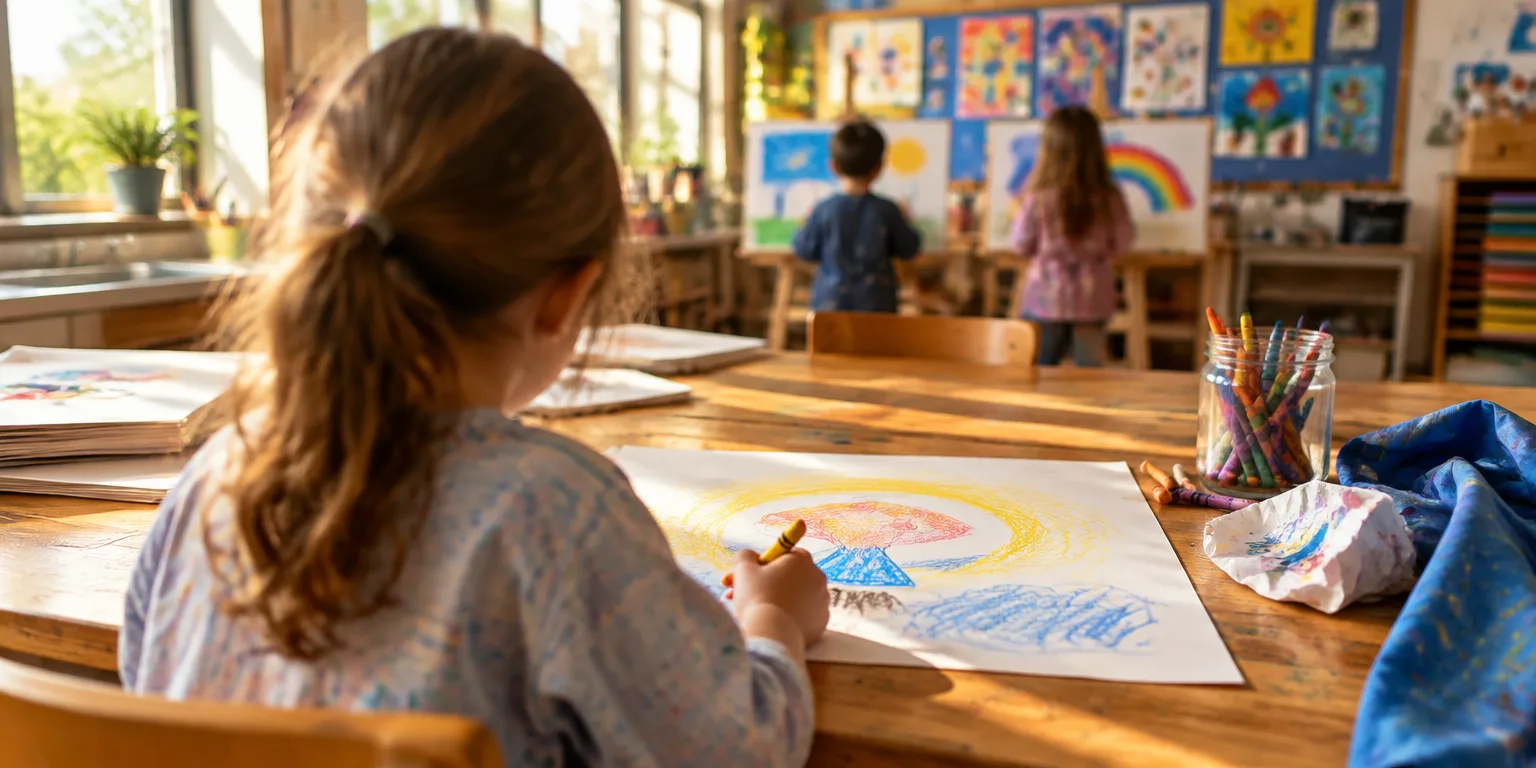
To show what that natural talent looks like, he told a story he said he loved telling. A six-year-old girl was at the back of a drawing lesson, absorbed in her work though she hardly ever paid attention. When her teacher asked what she was drawing, she said she was drawing a picture of God. The teacher said, "But nobody knows what God looks like." The girl answered, "They will in a minute."
Robinson said children start out willing to try without knowing whether they are right. As he put it, "kids will take a chance" and "If they don't know, they'll have a go." He added, "They're not frightened of being wrong."
He was careful to add, "I don't mean to say that being wrong is the same thing as being creative." His point was narrower, he said: "if you're not prepared to be wrong, you'll never come up with anything original."
By adulthood, he said, "most kids have lost that capacity. They have become frightened of being wrong." He said, "We stigmatize mistakes" and "we're now running national education systems where mistakes are the worst thing you can make." The result, he argued, is that "we are educating people out of their creative capacities." He borrowed a line from the painter Pablo Picasso, who he said claimed "that all children are born artists" and that "The problem is to remain an artist as we grow up." As Robinson put it, "we don't grow into creativity, we grow out of it."
Questions people ask
What would treating creativity like literacy look like in a real classroom?
In general, it means giving creative work regular time and attention, rather than treating it as an extra when the serious work is done. That can include lessons in art, music, drama, or dance, and assignments in other subjects where students are asked to offer more than one answer and revise their work.
Does encouraging creativity mean encouraging mistakes?
No. The point is that fear of mistakes can stop students from offering ideas at all. Classrooms can welcome drafts, revisions, and second tries, while still teaching students to check their work and learn from what did not work.