Science is a four step loop that works on cereal, plants, and stars
You do not need a lab coat, just curiosity and a willingness to test your guess.
 LearningJoy Explorers: Science Podcast for Kids · The 'Why?' Club: What is Science, Anyway?
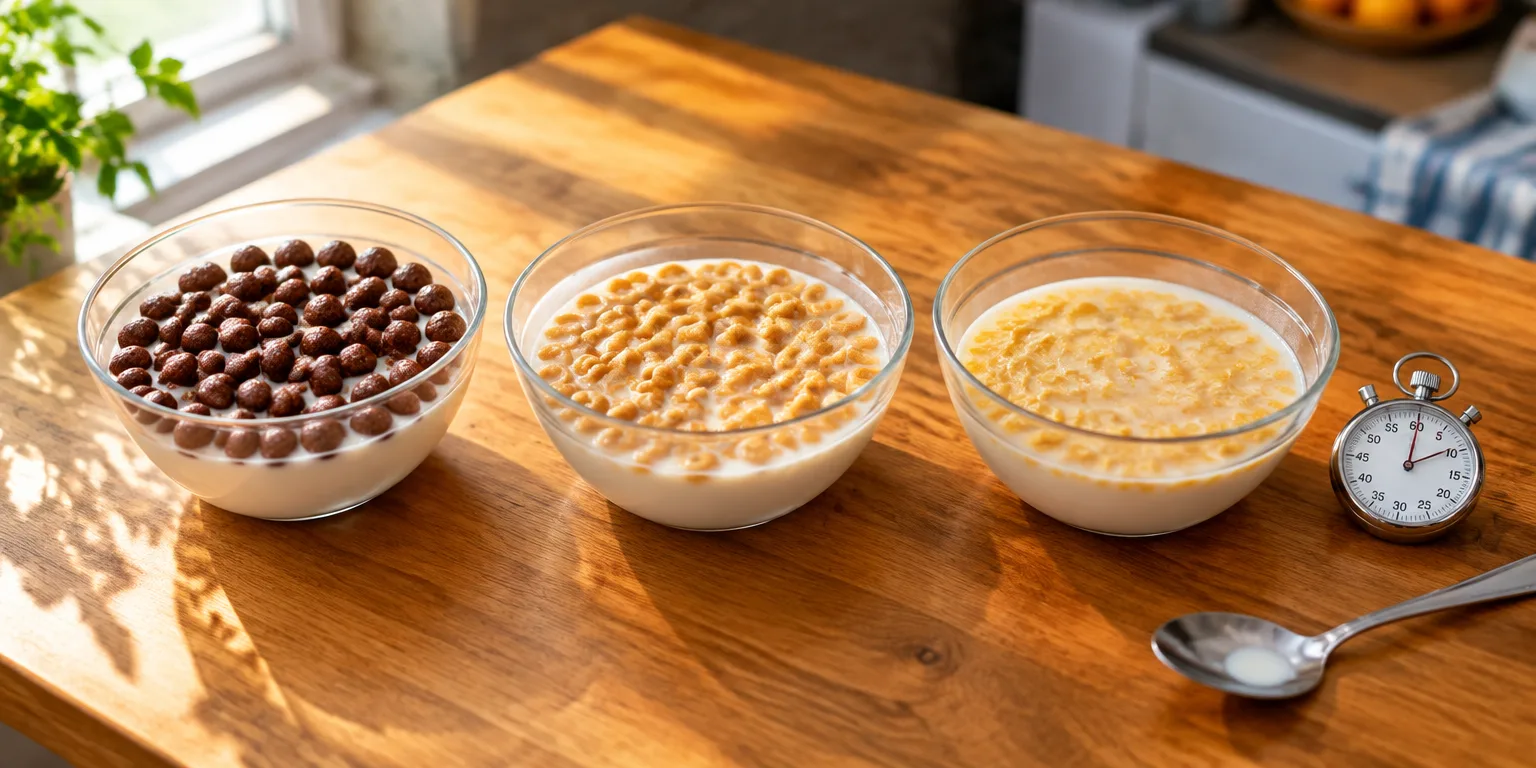
The science lesson started before 8 a.m., with three bowls, some milk, and a stopwatch. Srivatsa, an eight-year-old who loves to ask why, tested three cereals side by side, timed the soak for five minutes, then prodded each with a spoon. The round chocolate pieces stayed crisp, the honey rings softened a little, and the thin corn cereal collapsed completely.
His friend Harika, another kid who likes big questions, told him he had just run a real experiment. Science, she said, is not a pile of textbooks and safety goggles. It is a detective game, a loop for studying the world that anyone can run.
It starts with observation, simply noticing what is happening. You see a houseplant drooping by the window, or you see that one cereal turns soggy faster than another.
Next comes a smart guess about why. Scientists call that testable guess a hypothesis, and it has to be specific enough to check. As Harika put it, one example is guessing that "flat corn flakes soak up milk faster than round puffs."
Then you test the guess with an experiment. You water the plant and watch what happens, or you set up three bowls with milk, time them equally, and prod the texture with a spoon.
Finally, you gather data, or clues. You compare textures to learn which sample held up best, and whether your guess was right.
The power is that the same loop works everywhere. As Harika put it, it applies "from distant stars to backyard ladybugs," the same loop whether studying galaxies or insects. Srivatsa said he would use it on his bike, by watching the gears move as he pedals to learn why the chain slips and how to fix it. Ask how or why, test to find out, and repeat. That loop is science.
Questions people ask
What makes a guess a hypothesis?
A hypothesis has to make a prediction you can check. 'The plant needs water' works because you can water it and see if it perks up. 'The plant is sad' does not, because there is no test for sadness in a plant.
Why bother with three bowls instead of just one?
Testing three cereals side by side lets you compare them fairly. If you tested them on different days, with different amounts of milk or different waiting times, you would not know whether the cereal or the conditions caused the difference.
Does fixing a bike chain really count as an experiment?
Yes, if you do it methodically. Noticing when the chain slips, guessing what causes it, adjusting the gears, and seeing if the slip stops is the same observe, guess, test, and gather loop. Repair work often follows that pattern, even when people do not call it science.