Scientists built an enzyme that clears aging gunk in lab tests
In test tubes, it removed 52 to 97% of a buildup called CML that causes stickiness, reduced mobility, and wrinkles.
 All-In with Chamath, Jason, Sacks & Friedberg · Can the AI Industry Regulate Itself? Stripe Wants PayPal, China Catches Up, NY Bans Datacenters
Much of aging happens outside your cells.
The spaces between cells hold a support structure called the extracellular matrix. When you are young, proteins there sit apart, do their jobs, and get replaced when they wear out.
With age, sugars and fats latch onto those proteins and remain stuck. Scientists call the binding glycation, and the buildup is known as advanced glycation end products. The predominant one is a compound called CML, and nothing in the body breaks it down.
As CML accumulates, it causes stickiness and binding. That reduces mobility, contributes to wrinkles in skin, and makes it harder for joints to move. It also changes the shape of proteins, including the collagen that keeps skin firm, so they look unfamiliar and draw an immune response. That is one of the reasons inflammation increases with age.
The finding comes from a paper by Calico, Google's secretive startup focused on aging, working with a company called Revel Pharma. The finding is an engineered enzyme, a kind of protein that dismantles another molecule, designed to break down CML. The team used AlphaFold to find a starting protein that could bind CML, produced it in bacteria by printing DNA, and then created several hundred versions, later expanding to thousands, over five cycles to improve it.
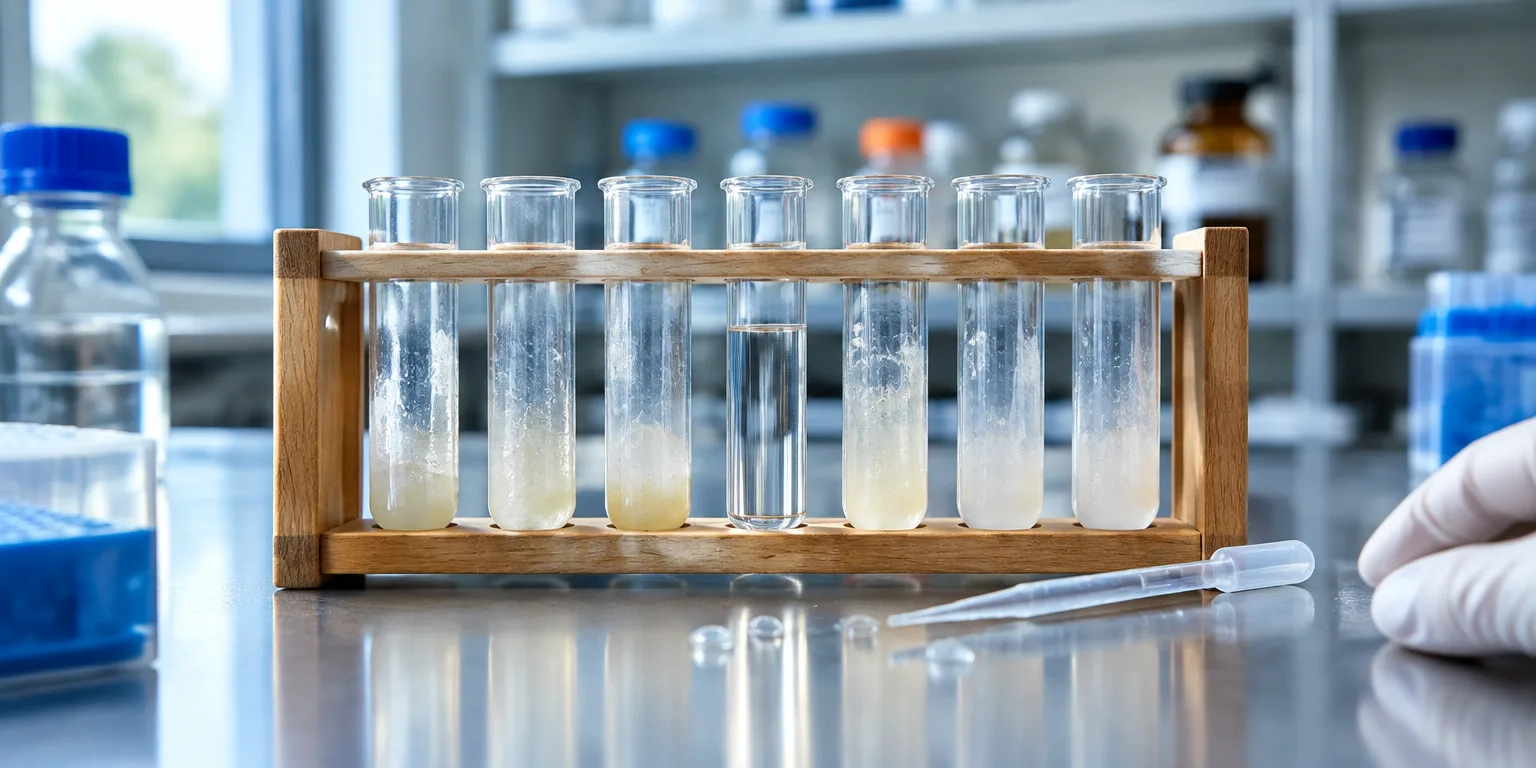
In laboratory tests on proteins found in the body, including collagen, proteins from the eye, and hemoglobin, the enzyme degraded 52 to 97% of the CML. This is lab work in test tubes, not a treatment, and it does not show what would happen inside a living person.
Questions people ask
Can I prevent this by cutting sugar from my diet?
No. Eating less sugar may slow new buildup, but it does not remove CML that is already attached because the body has no way to break it down. The new enzyme is experimental lab work, not something diet can trigger, and it has only been tested outside the body.
Does this buildup affect organs, or only skin and joints?
Skin and joints are visible examples, but the same sugar-bound proteins accumulate in blood vessels, eyes, and other tissues. Researchers study glycation across the body because it changes how proteins hold together and how easily tissue can be maintained.
How is this different from cellular aging?
Inside the cell, aging involves damaged DNA and worn-out parts that other experimental treatments try to reset. Outside the cell, aging involves this accumulation of sugar-bound proteins that blocks repair and promotes inflammation. Both matter, which is why scientists study them separately.