Scientists Test Microbes by Feeding Them Only Plant Fiber
Microbes from a cow's stomach show how a natural tool unlocks tough plant fiber, and thriving test tubes could lead to car fuel.
 TED-Ed · Biofuels and bioprospecting for starters - Craig A. Kohn
A dairy cow cannot digest hay by itself. Tiny microbes living in its stomach do the job for it.
Hay and alfalfa are full of cellulose, the tough fiber that forms plant walls. To turn that fiber into fuel, the fiber must first be unwrapped from its protective coating and chopped into single sugar units, called glucose, before fermentation can begin.
The cow's microbes carry a shortcut. They make cellulase, an enzyme, or natural chemical tool, that breaks cellulose apart so the cow can use what is left for energy.
Fuel researchers are now studying microbes like these, hoping to learn how to dismantle plant fiber more efficiently for human energy needs. That search has a name, bioprospecting, which means looking in nature for living things that make something valuable.
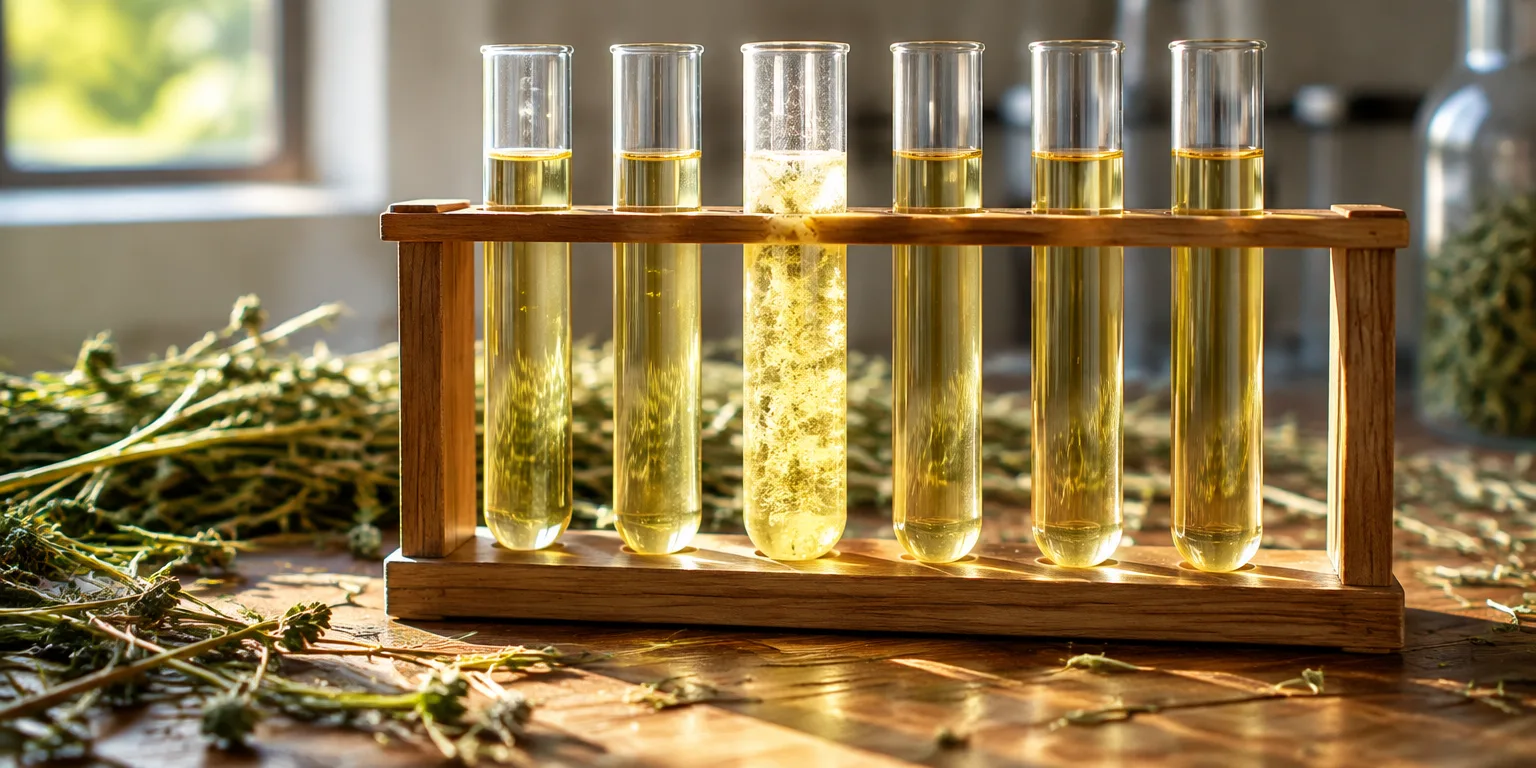
The test is simple. Researchers grow a sample of microbes in a test tube, then add cellulose as the only source of energy.
If the microbes cannot make the right cellulase, the tube stays unchanged. If they can make it, they break down the cellulose, feed on it, and thrive.
A thriving tube is a lead. It signals a microbe that might help turn abundant plant fiber into a renewable and sustainable fuel for cars.
Questions people ask
What is cellulose, exactly?
Cellulose is the stiff fiber that holds up plant stems and leaves, and it is made of long chains of sugar. Humans and cows cannot break those chains on their own, so without help the sugar stays locked away.
What does an enzyme like cellulase actually do?
An enzyme is a protein made by a living cell that speeds up one specific chemical reaction. Cellulase speeds up the splitting of cellulose into smaller sugars, much as scissors cut a long ribbon into pieces.
Why start the search in a cow's stomach?
A cow eats large amounts of grass, hay, and alfalfa, so its stomach is crowded with microbes adapted to digesting fiber. That makes it a natural place to find strong cellulose digesters, though researchers also sample soil, forests, compost, and other wild habitats.