Seated Heel Lifts Were Linked to Better Blood Sugar in One Study
The light calf movement took attention but no equipment, and the effect was still seen up to two hours following eating in the lab.
 Andrew Huberman · Fitness Toolkit: Protocol & Tools to Optimize Physical Health
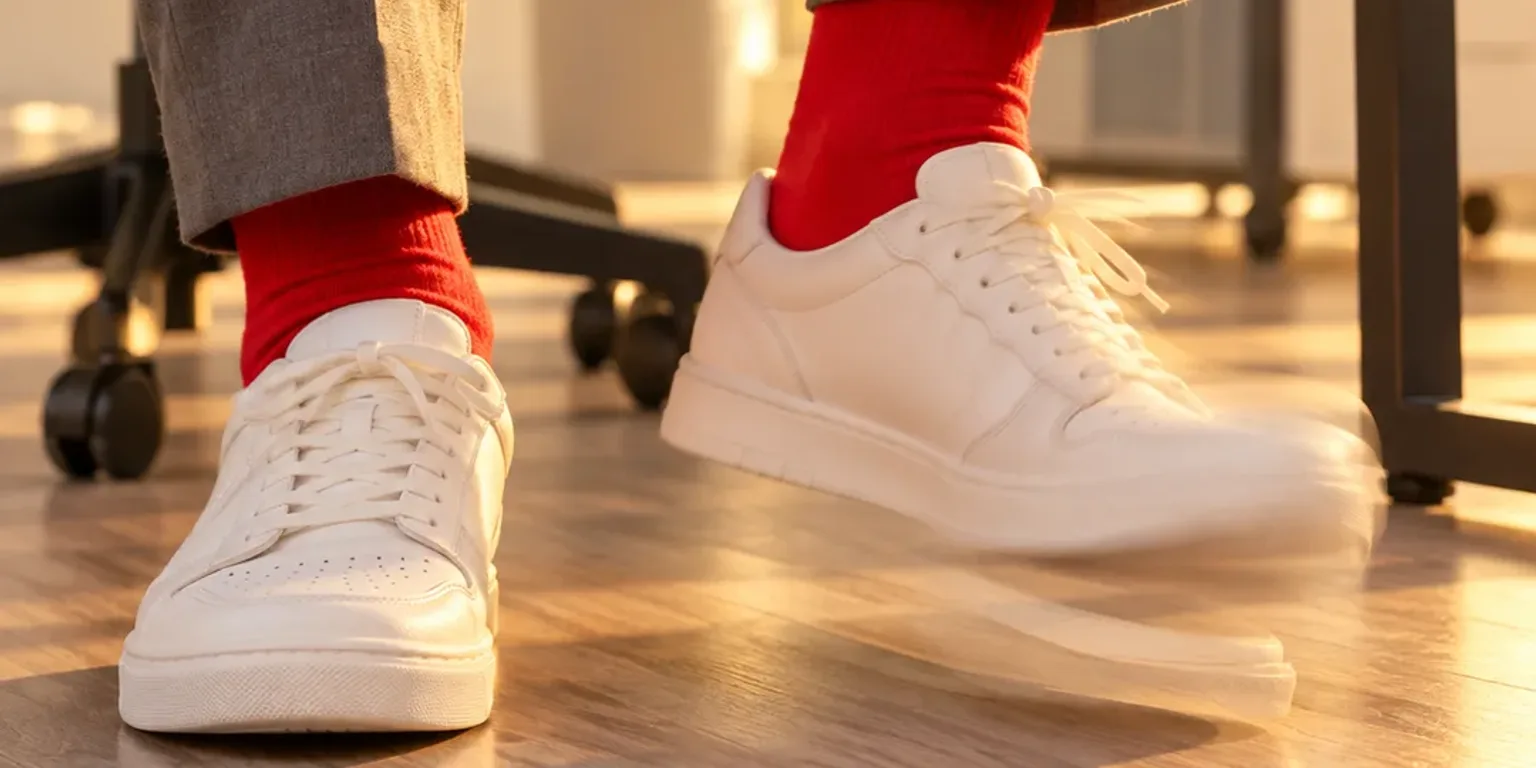
In a 2022 discussion of a University of Houston study published in iScience, Andrew Huberman, a Stanford neuroscientist with a health podcast, described a tiny seated calf movement called the soleus pushup.
Seated volunteers kept the knee bent at about a right angle, then lifted the heel while pressing down through the toe to lightly tighten the calf, then lowered the heel. Each lift and lower counted as one repetition.
The heel rose only 10 to 15 degrees, without rising high onto tiptoe, and volunteers did not squeeze the muscle hard.
Volunteers performed the movement for as much as 270 minutes in total across a day, with breaks. The motion could be done during video calls, phone calls or meals.
The discussion framed it as a zero cost option requiring no equipment, only enough attention to keep the heels moving, and mentioned people who were injured, traveling on a plane, studying in a classroom all day, or otherwise missing steps and movement.
In Huberman's account of that single study, the researchers reported improved blood sugar regulation and metabolism, with the effect still seen up to two hours following eating. The discussion did not give the total number of volunteers.
Huberman said in 2022 that he knew of no replication at that time. This story did not check for later studies. He said it was his own reading of the numbers, not a result the study reported, that less than the full 270 minutes would still be linked to benefit.
Questions people ask
Who took part in the laboratory study?
The lab enrolled equal numbers of men and women, with a wide range of body sizes, ages, and daily habits. The group included people who tended to walk a lot and people who did not.
Why did researchers focus on such a small muscle?
The soleus is a wide, flat muscle beneath the calf that is built mostly for endurance and staying active through long periods of standing and walking. The researchers measured very little fuel use inside the muscle itself, yet they reported large changes in whole body measures of glucose and insulin.
Had the finding been independently confirmed?
As of the 2022 discussion, Huberman said he knew of no replication yet and noted excitement in the popular press. He said it was understandable why there was excitement if the data held up. That replication status was as of 2022.