Senate Found Torture Did Not Stop Plots
A Senate review found harsh methods produced false leads, while real intelligence came from separate tips or information the U.S. already had.
 Johnny Harris · The American war machine, explained
A Senate review found no relationship between information obtained through harsh interrogation and the stopping of terrorist plots.
Research on interrogation offers one explanation for why. It finds that torture creates stress that impairs recall in those under questioning, and frequently drives them to offer false information to get the pain to stop.
That pattern showed up inside the CIA's secret prison program after Sept. 11, 2001. Even as President George W. Bush, the American president at the time, publicly said, "The United States does not torture," agency officers were using methods including waterboarding, a technique that creates the sensation of drowning by pouring water over a cloth covering the mouth. Many staff members withdrew from the sessions, some in tears after seeing them, and a memo noted the interrogations had been left to the agency's worst people, producing mediocre or useless intelligence.
The practical failure was stark. The admitted planner of the Sept. 11 attacks was waterboarded hundreds of times until he supplied names for a pair of suspects. The CIA spent time hunting them down, only to learn the pair were uninvolved in al-Qaeda or terrorist activity.
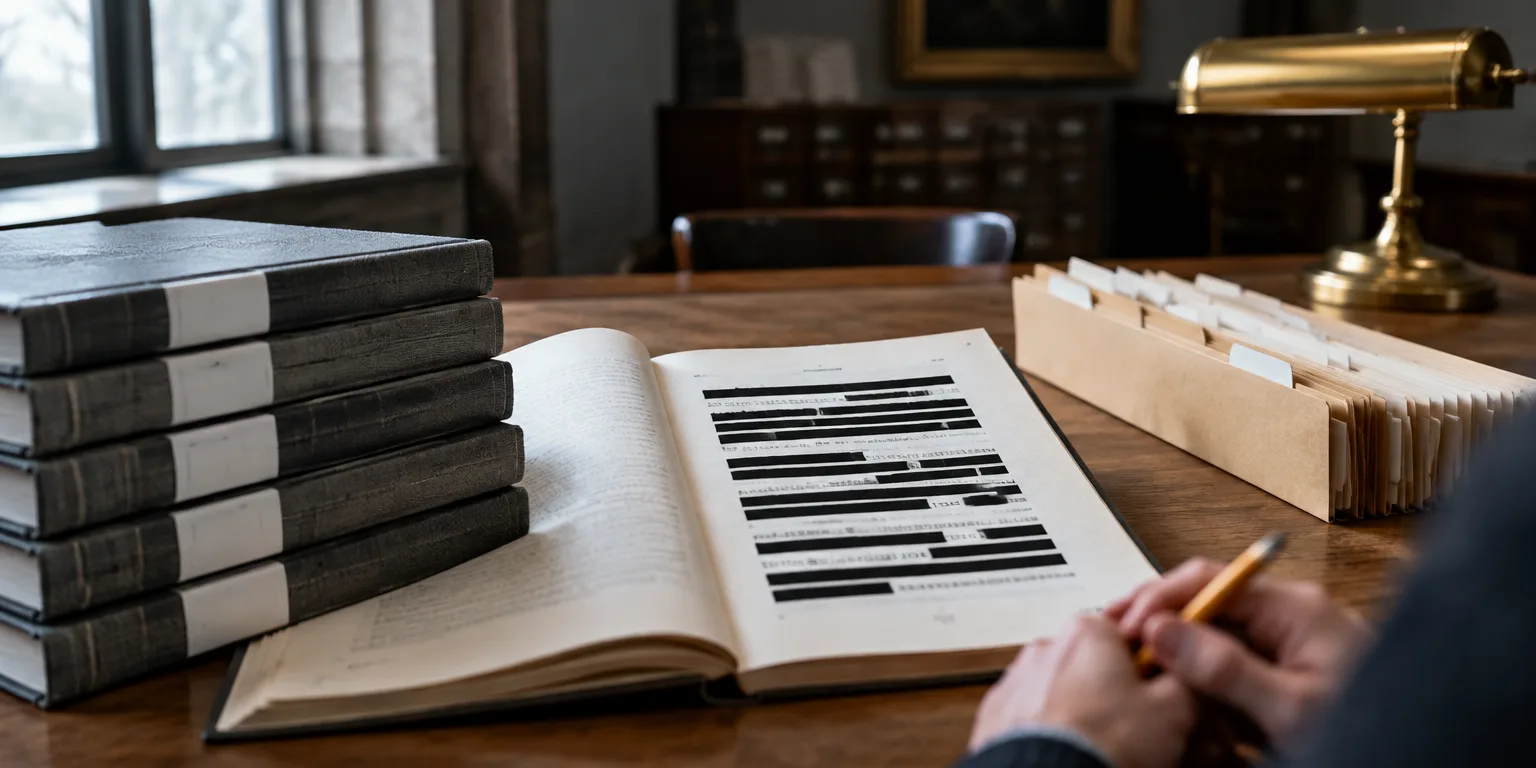
When the Senate investigated, it went case by case through claims that torture had thwarted plots. It found that useful intelligence did come from prisoners, but not from torture. It came from separate tips or was material officials already possessed. The agency had never actually studied whether the techniques worked.
In the report's conclusion, it said, "The CIA's use of its enhanced interrogation techniques was not an effective means of acquiring intelligence or gaining cooperation from detainees." Of the 119 men held in the secret sites, 21 remain at the American base at Guantanamo Bay, Cuba, and only three have faced anything resembling a trial with evidence and a verdict.
Questions people ask
What exactly is waterboarding?
Waterboarding makes a person feel as if he is drowning, usually by restraining him on an incline, covering his mouth and nose with cloth, and pouring water over it. The panic triggers a gag reflex and a desperate urge to breathe, so it is experienced as life threatening even if no water enters the lungs.
If torture does not work, what does work to get information from prisoners?
Standard interrogation relies on building rapport, asking open questions, checking details against known facts, and offering incentives to cooperate. Research by psychologists and experienced interrogators finds that calm, focused subjects remember more accurately and are easier to catch in lies than frightened ones.
How did the Senate know torture did not stop plots?
The Senate Select Committee on Intelligence spent years reviewing millions of CIA cables, memos, and emails about the detention program. Its 2014 report ran to more than 6,700 pages in classified form, with a roughly 500-page public summary that concluded harsh techniques were ineffective and poorly overseen.