Sending a kilogram to space got 60 times cheaper in 20 years
Cheaper rides came with a boom that put most of what humanity has sent to orbit up in the last decade.
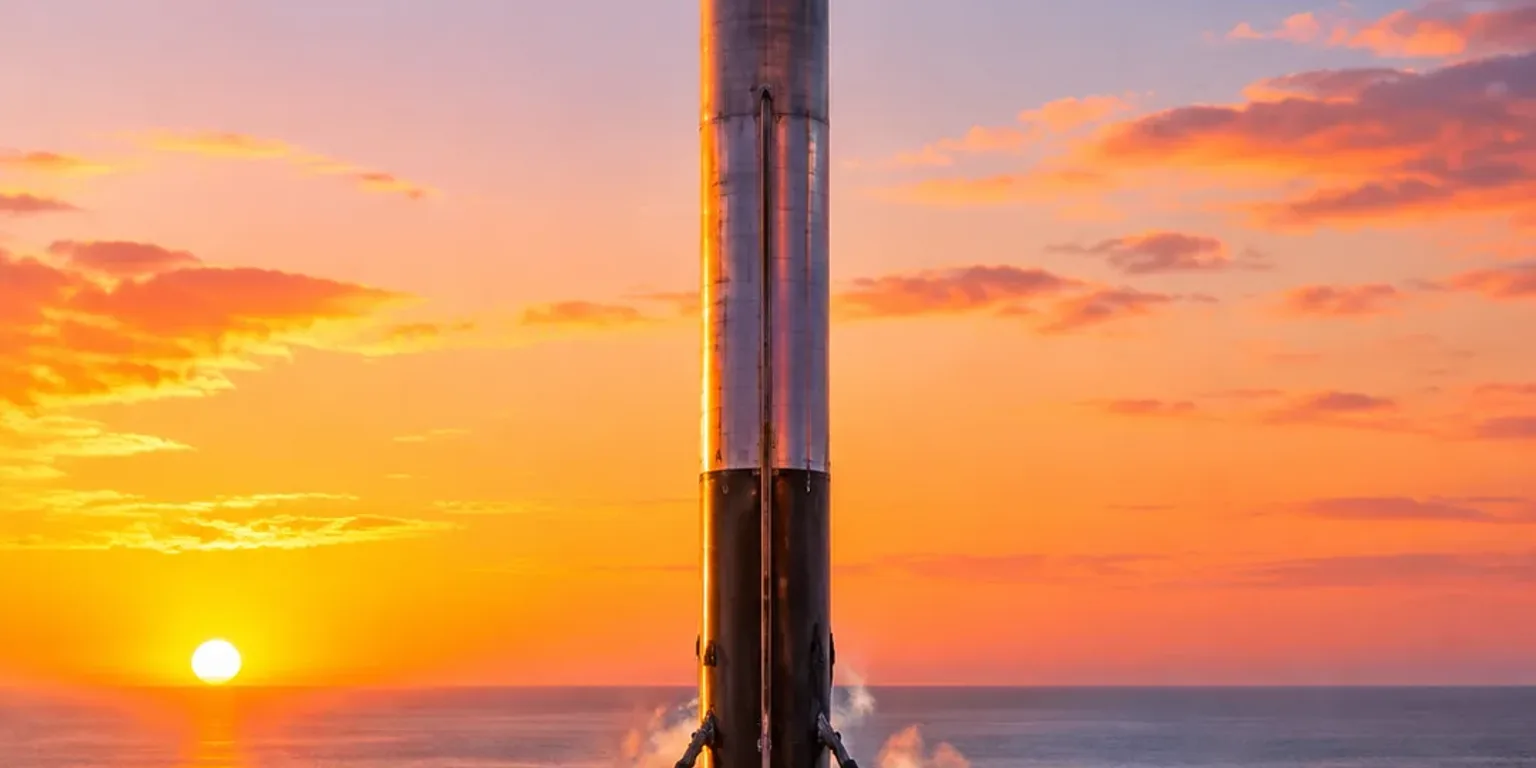
 Lightspeed Venture Partners · Raviraj Jain on the Six Frontiers Defining the Next Century | Lightwork
Twenty years ago, putting a single kilogram into space cost $54,000. Today it costs about $900, according to investor Raviraj Jain. That is roughly a 60-fold drop.
Cheaper rides have coincided with a jump in what goes up. There were about 1,000 satellites in orbit in 2010. That count has since risen past 10,000, Jain notes, meaning most of what humanity has ever sent beyond Earth went up in the last decade.
Jain expects another tenfold drop in the next four to five years. At that point, he says, moving cargo to space could cost about the same as moving it from one place to another on Earth.
Questions people ask
Why did the cost fall so much?
Mostly, rockets learned to come back. SpaceX began routinely landing and reusing the large lower stage of its Falcon 9 rocket, so operators no longer throw away the most expensive part of the vehicle on every flight. More frequent flights and rides that carry many satellites at once have spread costs further.
What are all those new satellites doing?
The bulk are communications satellites, especially large networks that beam internet service to the ground. The rest do jobs like navigation, weather tracking, Earth imaging, and science. Many are small and designed to be replaced every few years.
Will launch really get 10 times cheaper again?
It is a forecast, not a guarantee. The hope rests largely on much larger, fully reusable vehicles, led by SpaceX's Starship, that could carry far more weight per launch. Whether they fly often, safely, and cheaply enough will determine how fast prices keep falling.