Sharks have bitten the internet, and earthquakes can break it
To protect them, ships bury the cables beneath the ocean floor with a towed plow.
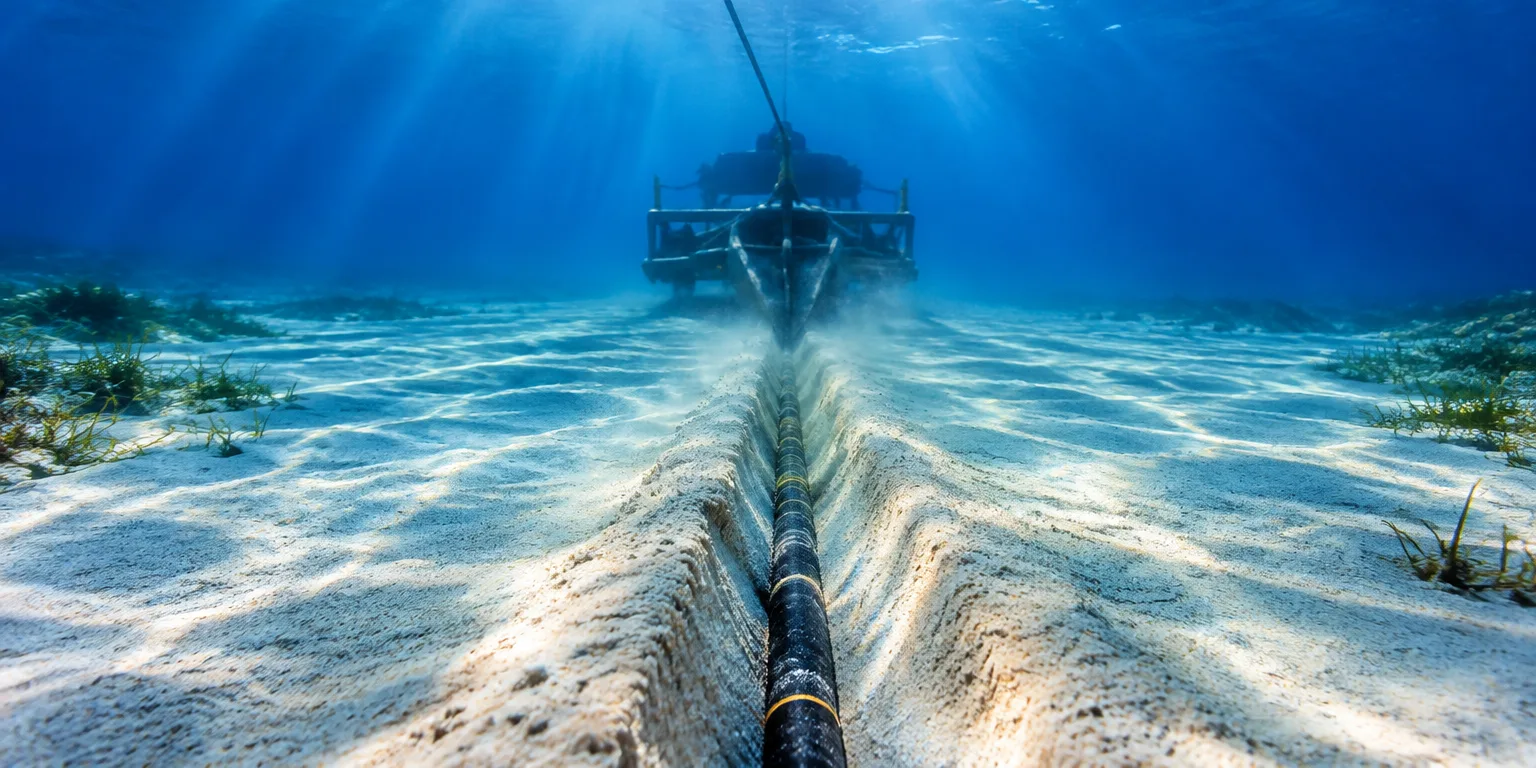
 Vox · Thin underwater cables hold the internet. See a map of them all.
Sharks have bitten the internet, and earthquakes can break it. The internet does not float in the sky but runs through about 300 cables on the ocean floor that carry 99 percent of international data, and those cables are open to teeth and tremors.
Confused sharks have bitten them at least a few times, and earthquakes can damage them. Many cables are buried beneath sea life to protect them.
Some cables lie about as far below the waves as Everest stands tall. Where cables are buried, a ship lowers a towed tool that opens a narrow furrow in the seabed, sets the cable inside, and moving water soon sifts sand over the line.
Questions people ask
How big is an undersea internet cable?
No bigger than a soda can. An undersea cable holds thin fibers that carry data as light, wrapped in steel, plastic, and other waterproof layers, including petroleum jelly to keep water out.
What happens when an earthquake breaks a cable?
A break rarely cuts off the whole internet, because data can often reroute over other cables while a specialized repair ship pulls up the damaged section and splices in a replacement, a job that can take days or weeks.
Do sharks still bite the internet?
Rarely now. Most recorded bites date to earlier cable designs, when sharks appeared attracted to the electrical fields. Modern cables are better shielded, and burial under sand keeps many of them out of reach.