She Lost More Than 60 Pounds by Dieting During Tax Season
Her busiest weeks were also her most predictable, with no parties or outings to break the pattern.
 The Metabolism and Menopause Podcast · 10 Secrets From Women Who Lost 30+ Pounds And Kept It Off | MMP Ep. 332
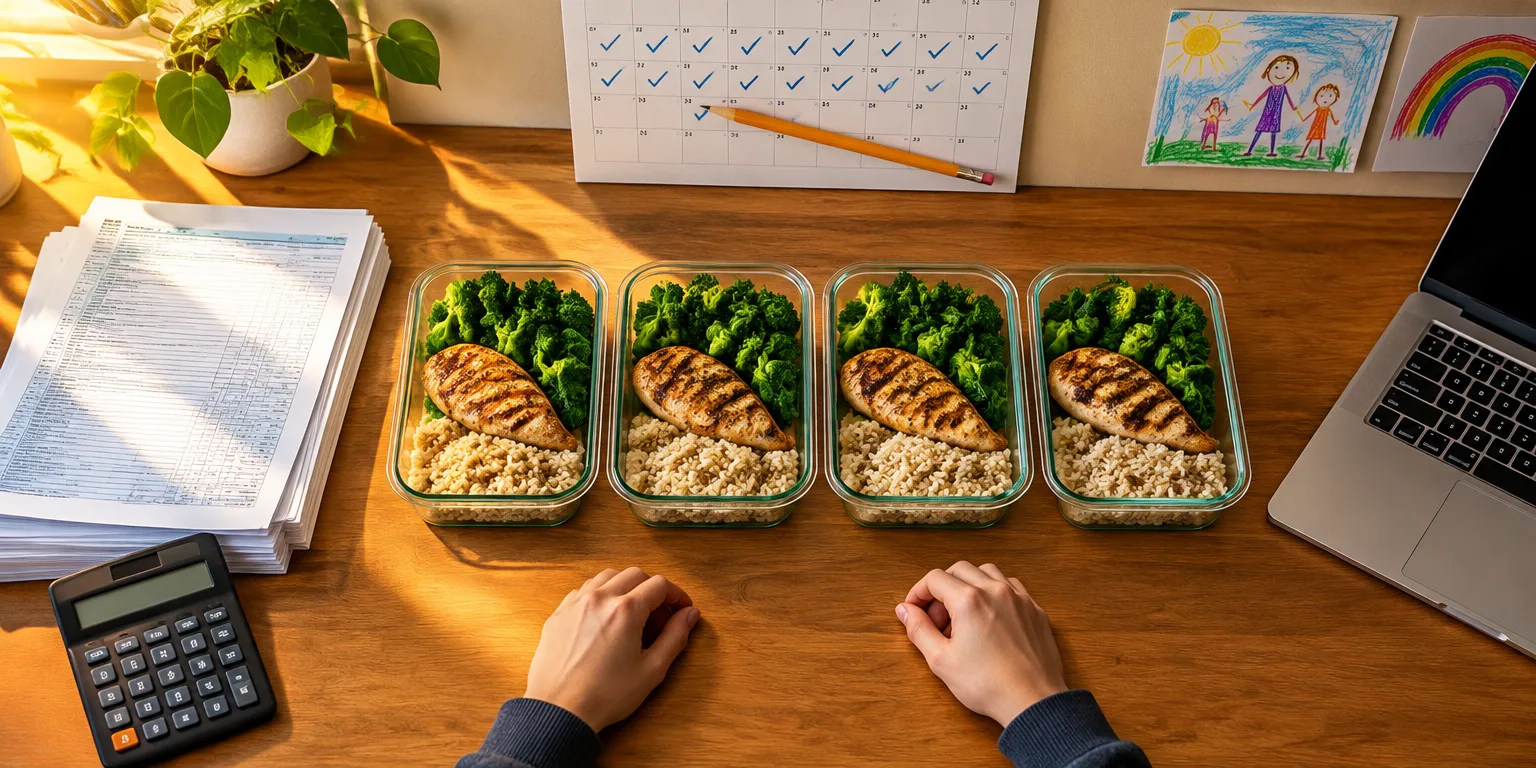
In the thick of tax season, an accountant and mother of two young children settled into the most predictable weeks of her year. Work was intense and the days were full, and there were no parties or late outings pulling her off schedule.
Her coach was Stephanie Crassweller of Vitality OET, which coaches women in and around menopause on weight loss. Crassweller says the women who lose large amounts of weight and keep it off share a few practical habits, and this client illustrated one of the least intuitive.
She lost over 60 pounds by doing fat loss every year during tax season.
The reason was routine: tax season was busier and more stressful, but her days were so regular that healthy eating fit neatly inside them. For other people, that season would feel too hectic for a diet, and they would avoid it. As Crassweller put it, "for her, it was the perfect time."
That points to a larger lesson about timing. Weight loss does not move in a straight line, and people do not stay in a calorie deficit, eating less than they burn, for months at a time. Crassweller said she rarely keeps people in a deficit for longer than three months, building in diet breaks, days with more food, and periods at maintenance, when the goal is to hold steady and sometimes build muscle.
The trick is learning which season of your own life supports which goal. Crassweller herself treats October through December as maintenance, a time for pecan pie with ice cream on top. Learning which seasons fit fat loss and which fit maintenance, she said, is how people maintain a loss and decide when to try to lose more.
Crassweller said the women who kept weight off all faced restaurant meals, vacations, busy work weeks, and sick kids while they still had coaching, which taught them how to navigate those times on their own without requiring perfect conditions.
For the accountant, that fit made the diet easy to follow inside a regular schedule, even though the same busy season would feel too unsettled for someone else.
Questions people ask
How long should a fat loss phase last?
Short, planned deficits are common because long deficits can increase hunger, fatigue, and muscle loss, and adherence falls. Coaches often alternate a few weeks or months of fat loss with maintenance, where you eat enough to hold weight, recover, and practice eating normally.
Why would a strict routine make dieting easier?
Routine reduces decisions. When wake times, work hours, meals, and shopping are the same each day, it is easier to eat similar foods in similar amounts, and there are fewer spontaneous restaurant meals, parties, and schedule changes to navigate.
Isn't a stressful time the worst time to diet?
Stress alone does not prevent weight loss, but high stress with poor sleep can raise hunger and cravings and make consistency harder. A stressful period with regular sleep, regular meals, and little social eating can be easier than a calm period full of travel, holidays, and unpredictable days.