She Raised 450 Percent More by Saying I Am a Student Like You
People do not just like people like them, they give to them, and saying the connection out loud is what unlocks it.
 Summation with Auren Hoffman · Robert Cialdini - 7 Principles of Influence Explained
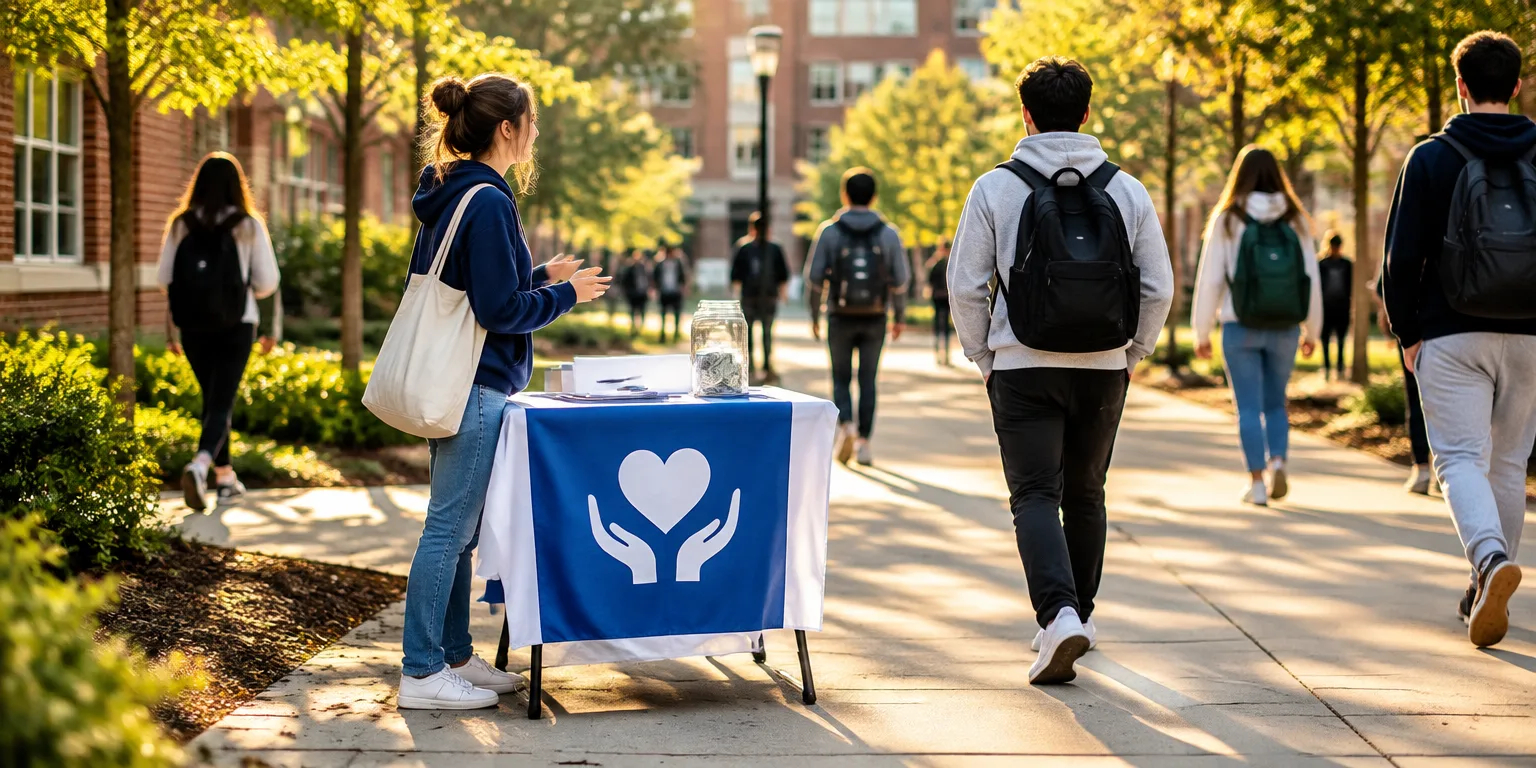
The fundraiser blended in. She was about the same age as the students passing by, wore similar clothes, and she stood beside a table collecting for United Way, the charity that pools donations for local causes. As students walked by on campus, she asked them to give.
She got some donations. She looked like the people she was stopping, and that likeness helped.
Then researchers testing her pitch had her change one thing for half the passersby. To those students she said, "Excuse me, would you donate to the United Way? I'm a student here like you." Donations went up 450 percent.
Persuasion researcher Robert Cialdini says the result shows what he calls the unity principle. In his words, "people say yes to those they consider one of them." Cialdini says unity goes beyond sharing tastes in food, movies, or fashion. It is about a shared identity, about feeling part of the same tribe. He says people tend to support members of groups they belong to.
Looking the part helped, but Cialdini says naming it raised it to consciousness. Once she stated the shared identity out loud, students were more likely to be loyal to it. He puts it this way: "you don't say no to one of you."
Cialdini says he has used the same move himself. He needed data from a colleague named Tim for a grant report due the next morning. The data were in Tim's files, and Tim first refused. Cialdini then reminded him, "We've been members of the same psychology department now for 12 years." He had the data that afternoon.
At the United Way table, the difference was the phrase "I'm a student here like you." In the study, donations rose 450 percent when she used it. Cialdini's interpretation is that saying the shared membership out loud made loyalty more likely.
Questions people ask
Does this only work for students asking other students?
No. The principle applies to any shared identity, such as the same hometown, school, workplace, or faith. Research finds people favor fellow group members across many settings, as long as the identity feels real and relevant at the time.
Why does saying it out loud matter if people can already see you belong?
Seeing is easy to overlook, while hearing the words brings the shared identity to the top of the mind. Psychologists call this making identity salient. A reminder, even a brief one, makes people act more in line with group norms, including helping each other.
Can this backfire?
Yes, if the claim feels false, forced, or manipulative. People guard their group identities closely, and a stranger who overclaims membership can lose trust. The tactic works best when the shared membership is genuine and the request benefits the group or a cause it values.