Shoppers offered six jams were six times more likely to buy than those offered 24
The larger display drew a bigger crowd, but almost no one bought.
 TED · Sheena Iyengar: How to make choosing easier
Shoppers who saw six jams bought at roughly six times the rate of shoppers who saw 24.
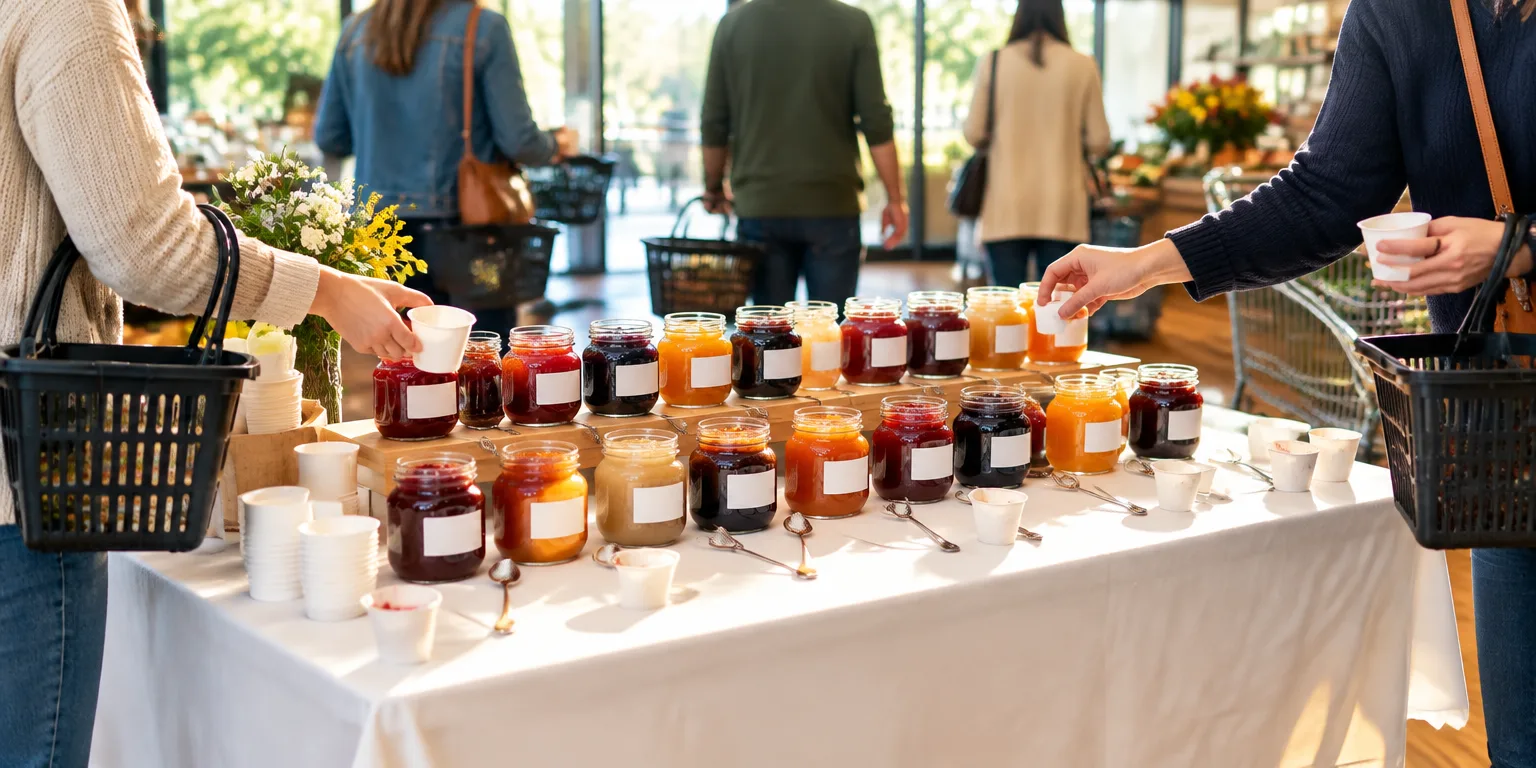
Behavioral scientist Sheena Iyengar set up the test with tasting booths near the entrance of an upscale grocery store. The store's regular jam aisle held 348 varieties, so both test displays were tiny by comparison.
The bigger display won on attention. About 60 percent of passing shoppers stopped to taste when there were 24 flavors, compared with about 40 percent when there were six.
It lost badly on sales. Of those who stopped at the 24-jam table, only 3 percent bought a jar. Of those who stopped at the six-jam table, 30 percent bought.
In other words, more choice brought more samplers, and far fewer buyers.
Questions people ask
Why would more choices make people less likely to buy?
When there are too many options, people have to compare more features, worry more about picking the wrong one, and second-guess themselves afterward. That extra mental work can lead them to delay the decision or walk away entirely, even if they liked what they tried.
Does this effect show up outside jam?
Yes. Iyengar's broader work finds the same pattern in retirement savings, where workers offered more funds are less likely to enroll, and in stores where cutting product lines has raised sales. Researchers call the broader pattern choice overload.