Showing the Trial Reminder and Billing Date Sells More Subscriptions
For language app Pingo, a clear schedule beat testimonials and ratings at turning free trials into paying users.
 Superwall · How I built a $500k/mo ai app (so you can just copy me)
For the language-practice app Pingo, the paywall page that converted best laid out the trial as a simple schedule.
Mori, who helps make Pingo, says the team tested a page citing more than 3 million learners, star ratings, reviews, and reassurance that users could cancel any time. The timeline version performed best so far.
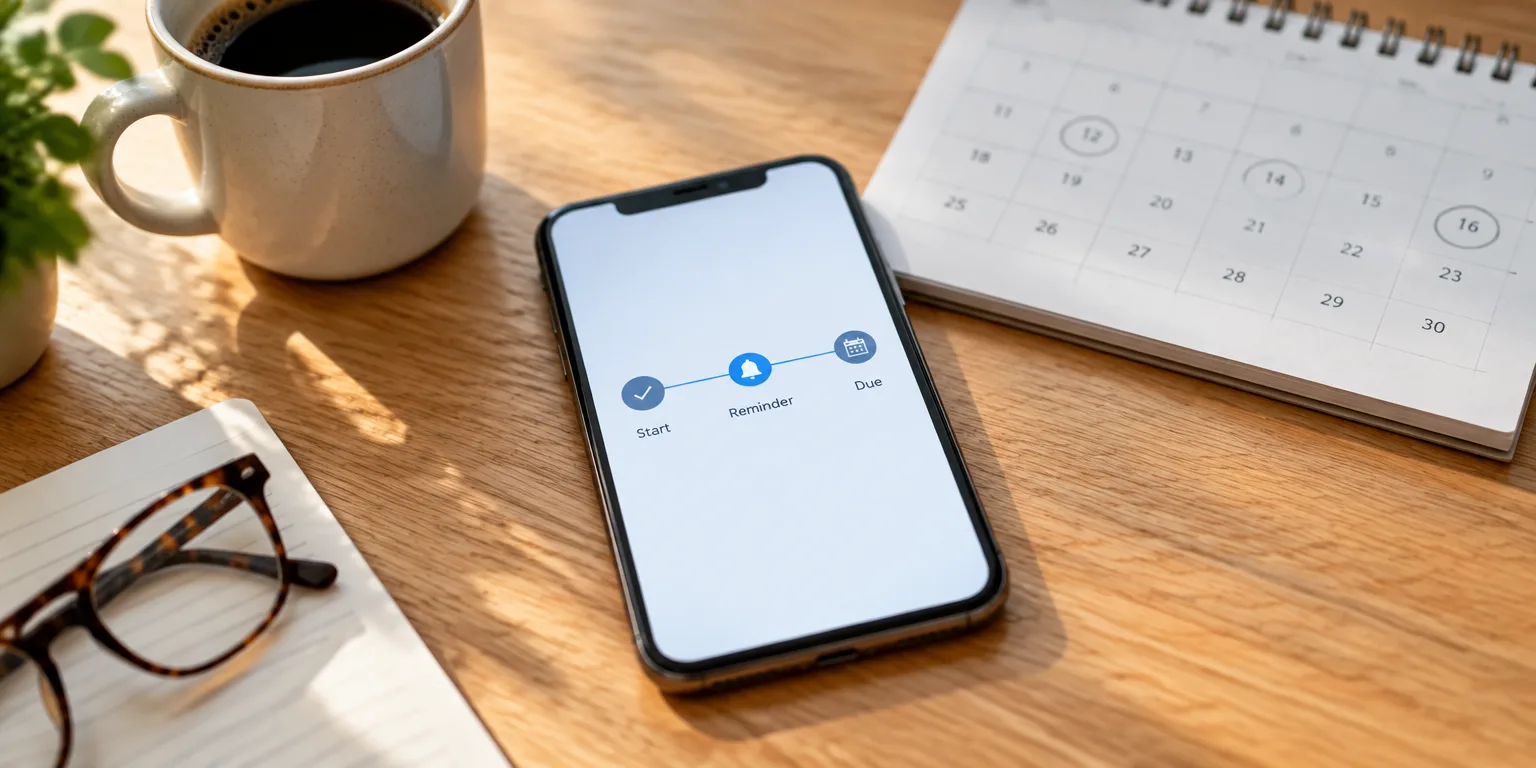
The timeline tells users what to expect in order. Today they get access, on a set day they get a reminder that the trial is ending, and on a later day billing starts, with the option to cancel at any point.
Mori wonders whether the advantage comes from what he calls subscription anxiety or trial anxiety. His guess is that some people hold back because they worry they will forget, get charged, and regret starting the trial.
The team reinforces that starting the trial is low risk, that a reminder will arrive, and that canceling remains easy. He said that emphasis on low risk helped conversion more than other tests about product value.
He also described a test of telling users they would be reminded two days before the trial ends versus one day before. At the time he spoke, that comparison was still running with about two days of data left, and he did not say which notice period was ahead.
Mori's takeaway is practical. In his view, telling users when access begins, when the reminder arrives, and when billing starts leaves less to worry about, and less worry can mean more subscriptions.
Questions people ask
Does warning people before billing cause more cancellations?
In general, a reminder can prompt some people to cancel, but many subscription businesses still use them. The general reasoning is that clear warnings can build trust and bring in more trial starts, even if some users leave. Pingo did not present data on that tradeoff in this discussion.
Is a three-day trial better than a seven-day trial?
In Pingo's tests, the three-day trial converted about the same as the seven-day trial in the United States but worse internationally, where users preferred seven days. People who turned down the three-day offer converted at a higher rate when they were then shown a seven-day trial as a follow-up offer. Mori said the team was still weighing usage and serving costs before choosing.
Could a clear timeline work for other subscriptions?
Pingo only tested this in its own app, so these results do not prove what works elsewhere. The general view is that plain terms for price, dates, and canceling may help because many people worry about surprise charges.