Sideways Drilling and Fracking Lifted the US to a Quarter of World Oil and Gas
Cheap natural gas did more than environmental campaigns to shrink coal mining.
 The Tucker Carlson Show · Trump’s Energy Crisis Causes Food Shortages, Skyrocketing Prices, and Global Suffering. What’s Next?
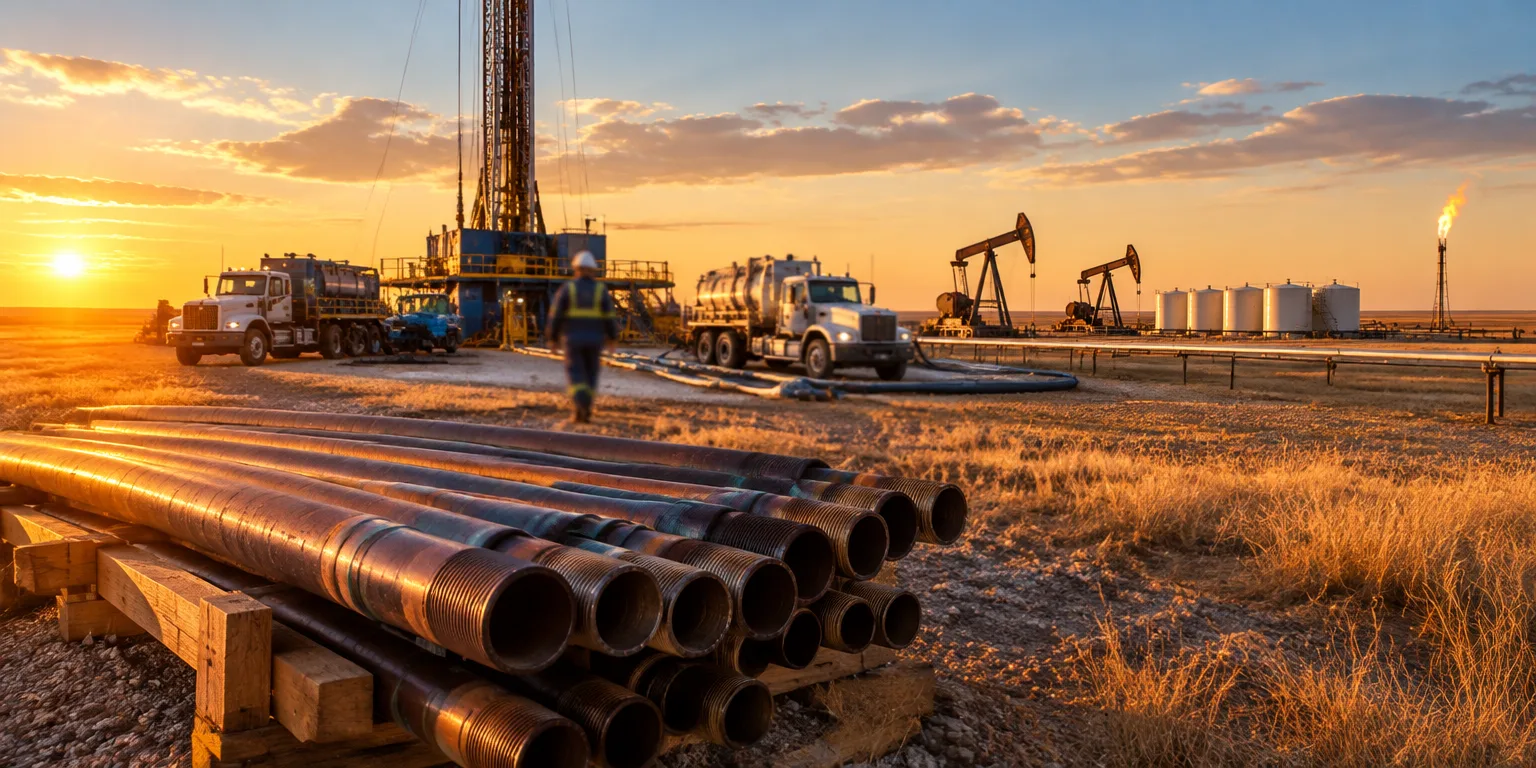
For decades, American oil and gas looked like a declining business. Production had been falling since the early 1970s, but starting around 2005, two drilling advances reversed the slide and lifted the United States to about one-fourth of global oil and about one-fourth of global natural gas, up from less than 10 percent.
The first advance was horizontal drilling. After drilling down a mile or more, operators can now guide the well several miles sideways through rock that holds oil and gas.
The second was hydraulic fracturing, usually called fracking. Crews pump water underground at very high pressure to crack deep rock far below the surface, opening tiny pathways so oil and gas can flow into the well.
Together, the two methods expose far more rock from a single well than an old vertical hole. In 2005, only about one well in 100 was fracked, says Morgan Downey, an energy analyst, but fracking and sideways drilling are now the default way American oil and gas wells are built.
The change came largely from the oil and gas industry itself, rather than a government program. In Downey's account, the industry realized the technology transformed the business and adopted it widely.
That abundant gas cut into coal use. Natural gas, the fuel piped to power plants and furnaces, undercut coal on price. According to Downey, it did more than environmental campaigns to shrink coal mining.
Questions people ask
How do drillers steer a drill bit miles underground?
Engineers use sensors near the drill bit that report direction, depth, and rock properties to the surface. Operators adjust a steerable motor to angle the bit, checking the measurements as the well extends outward through the target layer.
Why would cheap natural gas hurt coal?
Both fuels are widely used to generate electricity, so power companies tend to favor whichever is cheaper and reliable. When fracked gas became abundant, its price fell below coal in much of the United States, and many utilities burned more gas and less coal.
Why has fracking taken off more in the United States than in Europe?
Geology, law, and politics all matter. The United States has large shale formations, private mineral rights that reward landowners for drilling, and an extensive drilling industry, while countries including France have restricted or banned fracking.