Silk Road merchants paid monks to pray for their caravans
Monasteries got funding and caravans got lodging, and the silk they traded became part of Buddhist ritual.
 CrashCourse · The Silk Road and Ancient Trade: Crash Course World History #9
Rich merchants traveling the ancient trade routes linking China to the Mediterranean paid for prayers the way modern shippers buy insurance.
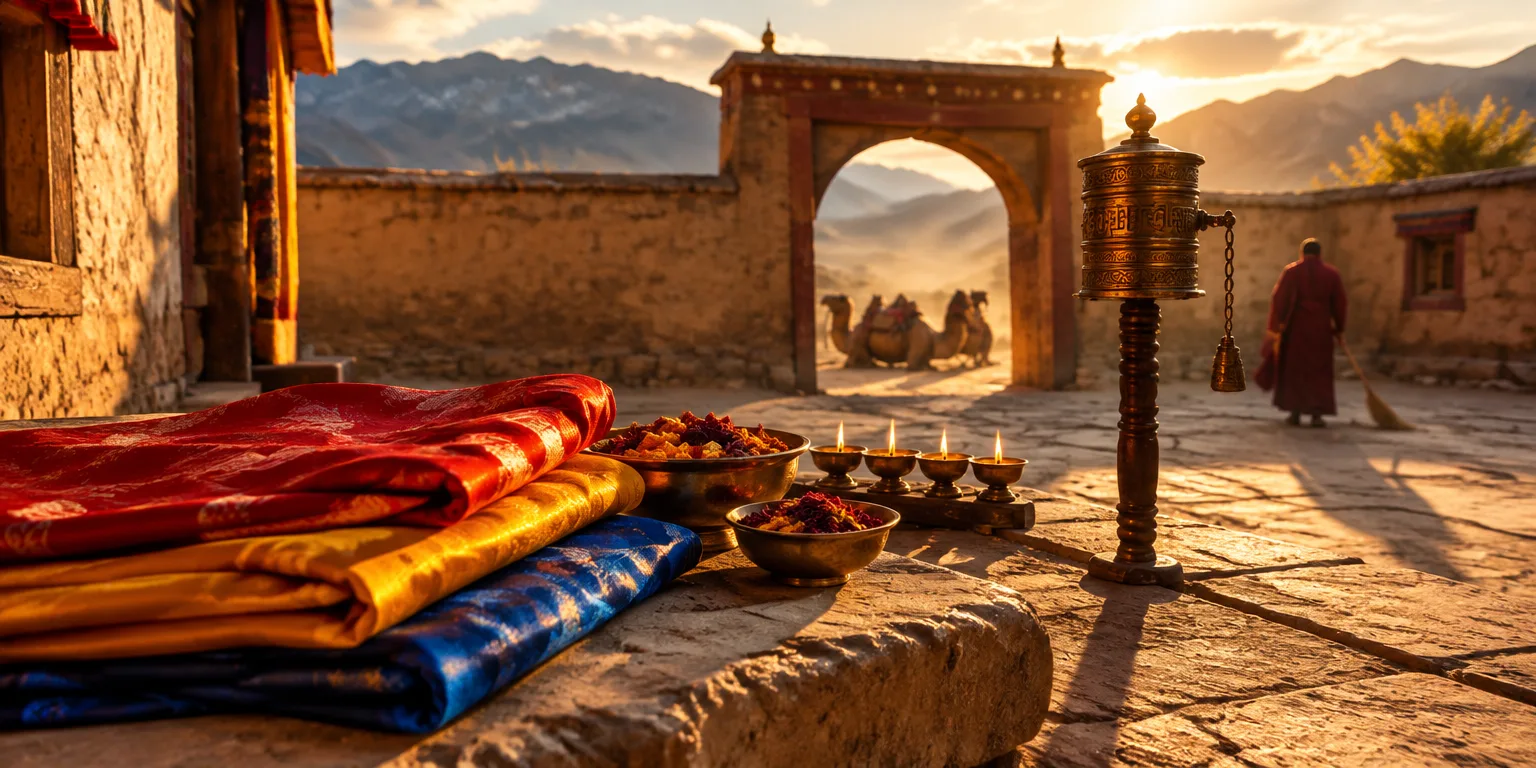
Many merchants endowed Buddhist monasteries along the routes, and monks in return prayed for safe travels and for the merchants who supported them.
The deal was practical on both sides. Monasteries became convenient stopping points for caravans moving between towns. Silk, the most famous cargo on those routes, was also a central material in Mahayana Buddhist rituals, the form of Buddhism that spread into Central Asia, China, Korea, and Japan along the same roads.
Faith helped move freight, and freight helped spread faith.
Questions people ask
What is Mahayana Buddhism?
Mahayana Buddhism is the form of Buddhism that took root in Central Asia, China, Korea, and Japan. Unlike earlier teachings that focused on escaping suffering through personal effort, it treats the Buddha as divine and teaches that worship of the Buddha and compassionate holy figures called bodhisattvas can lead to a good afterlife.
Why would a merchant want monks praying for him?
The trip was long, expensive, and dangerous, with deserts, mountains, bandits, and no reliable food or water. Few merchants traveled the whole distance, and most passed goods town to town with markups at each stop, so any help with shelter, supplies, and luck mattered.