Simulation Games Let You Run Worlds Instead of Winning Them
There is often no plot to finish, just a family, farm, city, or airplane to keep running.
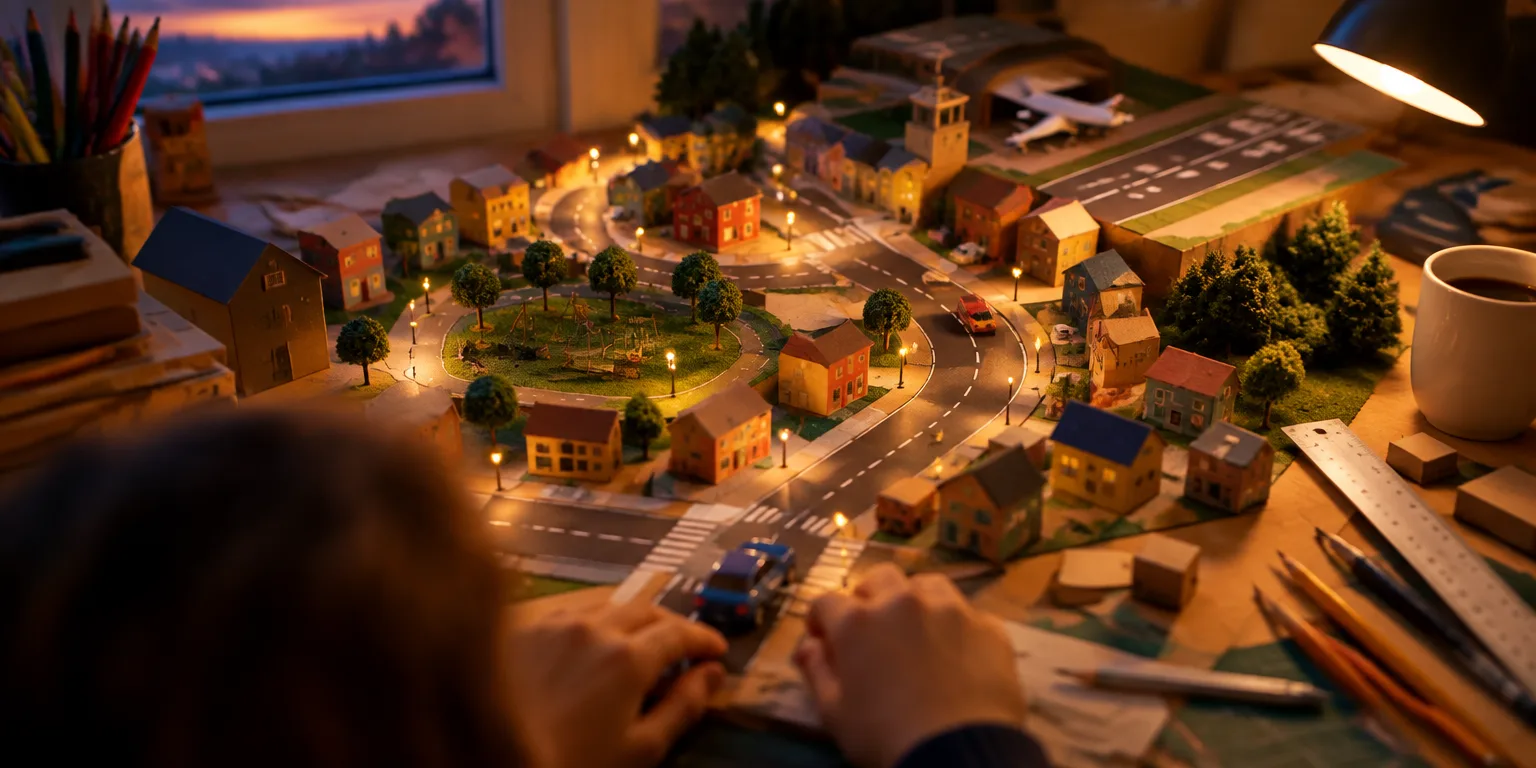
 uswitch.com · Video game genres: every game type explained - Uswitch
In simulation games, story and a final goal often do not matter much. What matters is building and running something of your own.
The idea is to step into a made-up world that you shape yourself. You might put together a theme park, raise a family, or lay out streets and neighborhoods.
Life simulators copy everyday living in simplified form. You can start and manage shops or larger economies, or live another daily routine through a character who stands in for you.
Vehicle simulators are a separate branch of the same idea. They try to give a lifelike sense of driving, flying, or otherwise handling real machines.
Examples include The Sims 4, Animal Crossing: New Horizons, Stardew Valley, Cities: Skylines, and Microsoft Flight Simulator. You decide what to build, what to manage, and how to spend your time.
That openness suits players who like to invent and tinker, but all the choices can feel overwhelming at first. Learning the systems takes effort, but the reward of watching your creation run can counterbalance that feeling.
Questions people ask
How do you win a simulation game?
Most simulation games have no win state. You set your own goals, such as a thriving farm or a busy city, and keep playing as long as you enjoy improving it.
Which simulation game is best for a beginner?
Start with one that gives you a clear early structure. Stardew Valley gives you a farm with daily tasks and seasons, while Animal Crossing: New Horizons builds up an island one step at a time, which can feel less overwhelming than a wide open city builder.
What is the difference between a life simulator and a vehicle simulator?
Vehicle simulators focus on realistic controls and procedures, such as flying a plane in Microsoft Flight Simulator. Life and building simulators focus on creation and management, such as households, businesses, and economies.