Six Habits Wolf Says Built Oprah's Trust
She paired kindness with conviction, then layered on giving, consensus, and rarity.
 Invest Like the Best with Patrick O'Shaughnessy · How to Raise a Few Billion Dollars
Wolf, the author of The Dao of Fundraising, points to Oprah Winfrey, the talk show host, as someone unusually effective at earning trust from a large audience.
He calls her approach a promotion of goodness, which he defines as kindness plus conviction. When Winfrey spoke, he says, there was warmth, but also the sense that she stood for something and meant it.
In Wolf's account, she built on that with six behaviors.
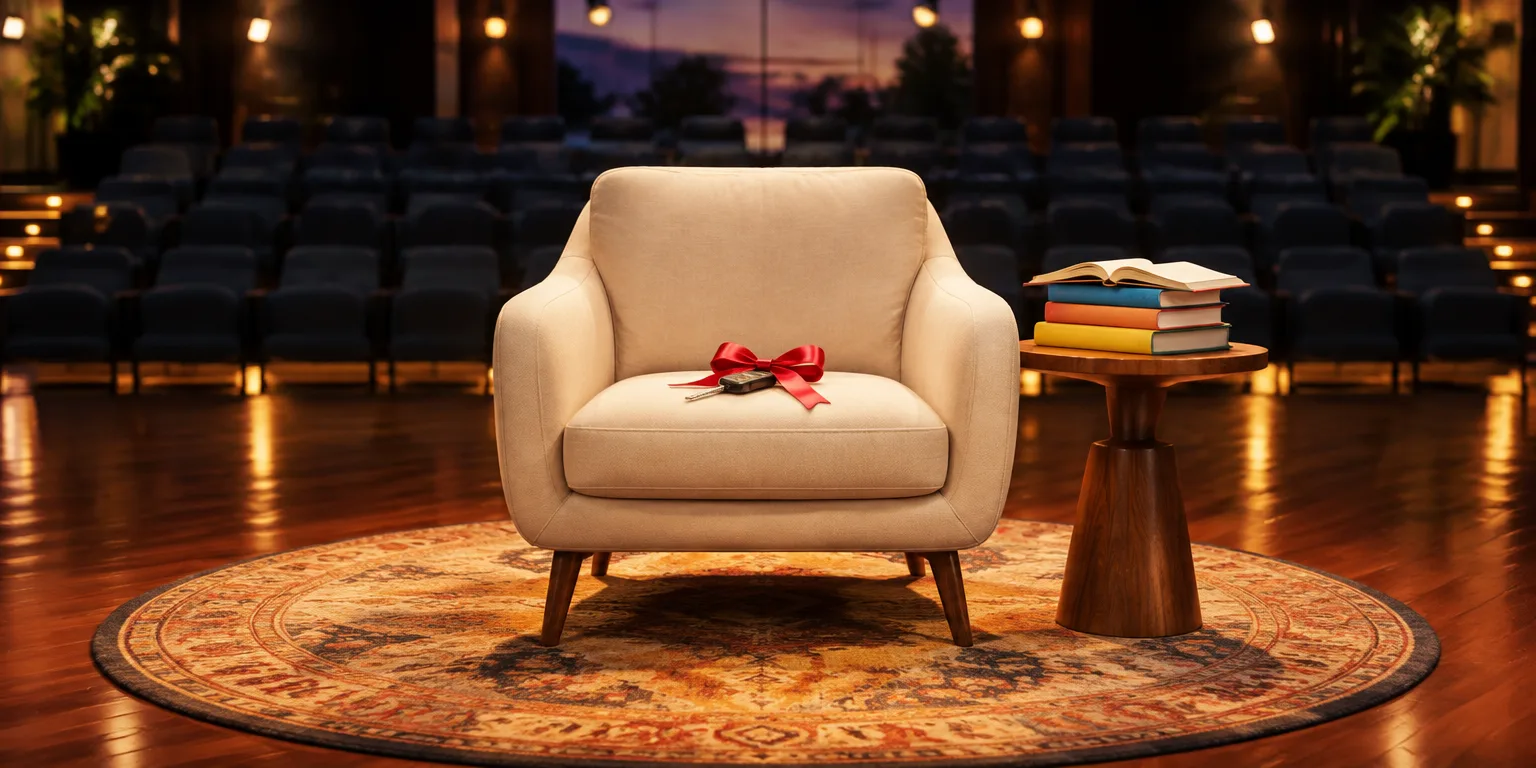
The first was giving. She gave gifts to her audience, including cars in the famous you get a car moment. That giving created reciprocity.
The second was consensus. Her book club told viewers which books were worth reading. Wolf calls it "the mother of all consensus," and argues that it became "as powerful or I would argue more powerful than any of the best seller lists."
The third was authority. Wolf says she used her stage to bring on "people with authority to talk about issues" in society that otherwise would not have attention.
The fourth was liking. Wolf says it was remarkable that a Black woman became a beloved figure in the Midwest, a region he says skews different demographically. He credits empathy, and the mutual feeling of "I like you, you like me."
The fifth was consistency. She brought people onstage in the same way, said what she believed, and always found something inspirational in a conversation. Wolf says you never left one of her conversations thinking that was a downer, so viewers learned to expect inspiration when they tuned in.
The last was scarcity. She rarely appeared in advertisements or on other talk shows. She stayed in one place, so viewers could only find her there, and Wolf says that rarity added to trust.
Questions people ask
Did Oprah's Book Club really sell that many books?
Yes. Selections routinely became instant bestsellers, often selling more than a million copies. Publishers called it the Oprah effect because a single pick could revive backlist titles and create careers overnight.
What is the psychology behind giving away cars?
It taps reciprocity, the social norm that we return favors. Experimental work finds that even small, unexpected gifts increase liking, cooperation, and compliance. Large public gifts amplify it because the audience feels chosen and grateful.
Why does scarcity build trust instead of annoyance?
Scarcity signals that someone is not chasing every opportunity, which reads as confidence and selectivity. It also focuses attention, so each appearance carries more weight. The effect breaks when scarcity looks faked, because people sense manipulation.