Six months on a British farm can pay six years of wages back home, before costs
The same jobs British workers avoid as low paid and dead end can fund half a year off back home.
 Economics Explained · The End Game of U.K Economics
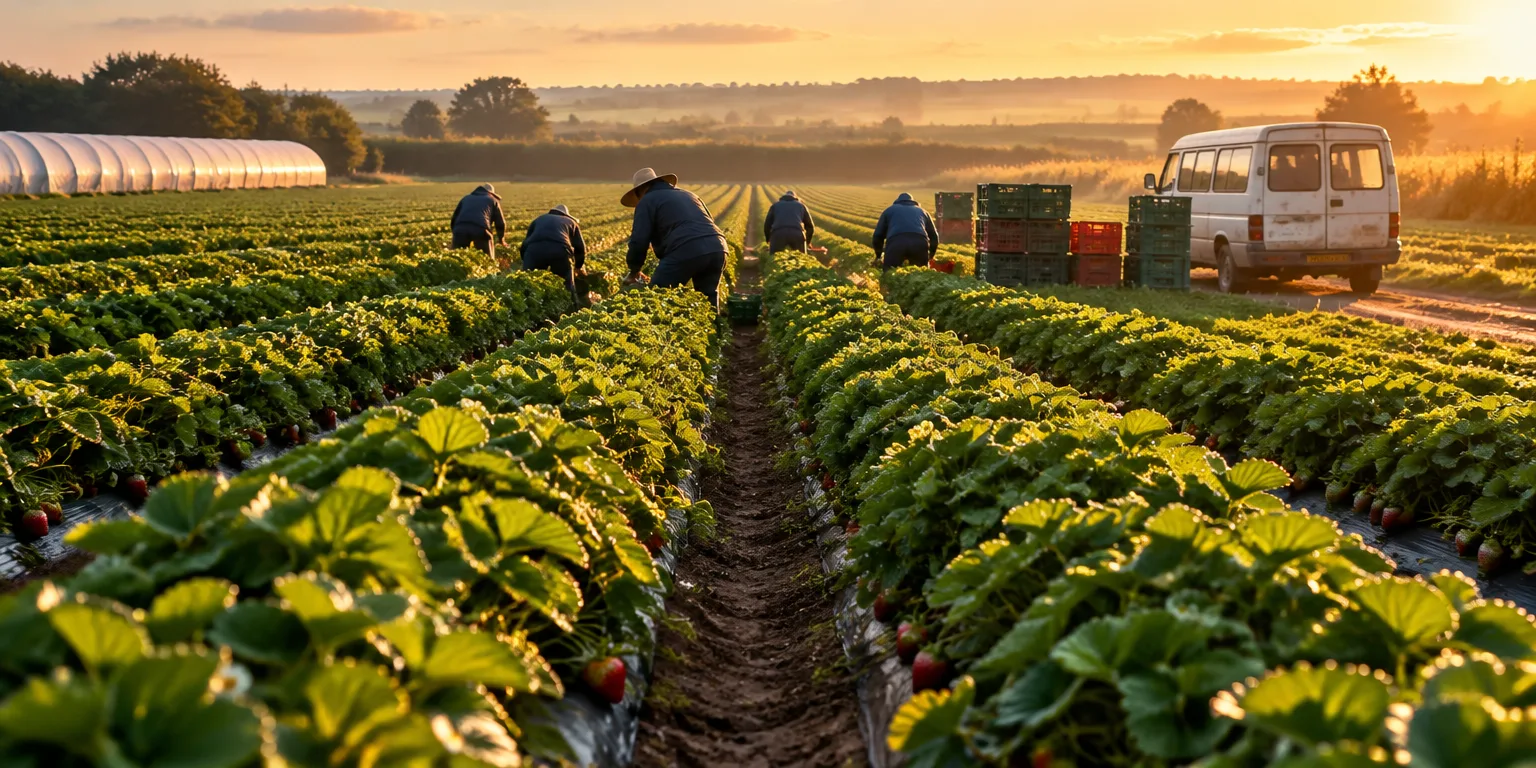
Take one hypothetical example from Kyrgyzstan. A farm worker earns about 2,518 pounds a year farming at home, or a minimum of 15,862 pounds for six months of seasonal work on a British farm, the equivalent of six years of pay at home before paying for flights, visas, rent, and tax.
The jobs on offer, in care, farming, hospitality, and construction, are often grueling, poorly paid, with unpredictable schedules and little chance to move up. In polling from the Chartered Institute for Professional Development, a professional body for HR and people management, 35 percent of employers that hire migrants said they struggled to find UK workers with suitable practical training, and 29 percent said migrants held skills that are hard to find.
For British workers, the same jobs pay relatively little, carry low status, and often lack a clear career path. Even after paying for flights, visas, rent, and tax, migrants still come out ahead. Construction needs a huge number of additional workers, yet apprenticeship uptake fell 16 percent despite more government funding. Many young people would rather stay out of work than take an apprenticeship, or take on large university debts despite an oversupply of graduates and a shrinking pay gap between graduates and non-graduates.
Questions people ask
Do farm migrants get to stay in Britain permanently?
Yes. Britain's Seasonal Worker visa lets people come for up to six months to do horticulture work, such as picking fruit and vegetables, and then return home. The example in the story assumes that pattern, work the busy season, then live off the earnings.
Why don't farms just raise wages to attract locals?
Employers say they cannot find British workers at the wages and conditions they currently offer. Raising pay, improving hours, and adding training and promotion could help, but farms operate on thin margins and supermarkets resist higher food prices, so many employers find recruiting abroad faster and cheaper.
Does the same gap apply to care jobs?
Care work is similar. It is physically and emotionally demanding, often involves nights and weekends, and pays little above the minimum wage. For a British worker it can look like a bad deal, while for someone from a much poorer country the same wage can support an extended family back home.