Slow Drafts Turn Fantasy Picks Into Judgment Calls
Hours to pick lets managers compare players, sleep on tough calls, and react to news instead of panic-picking.
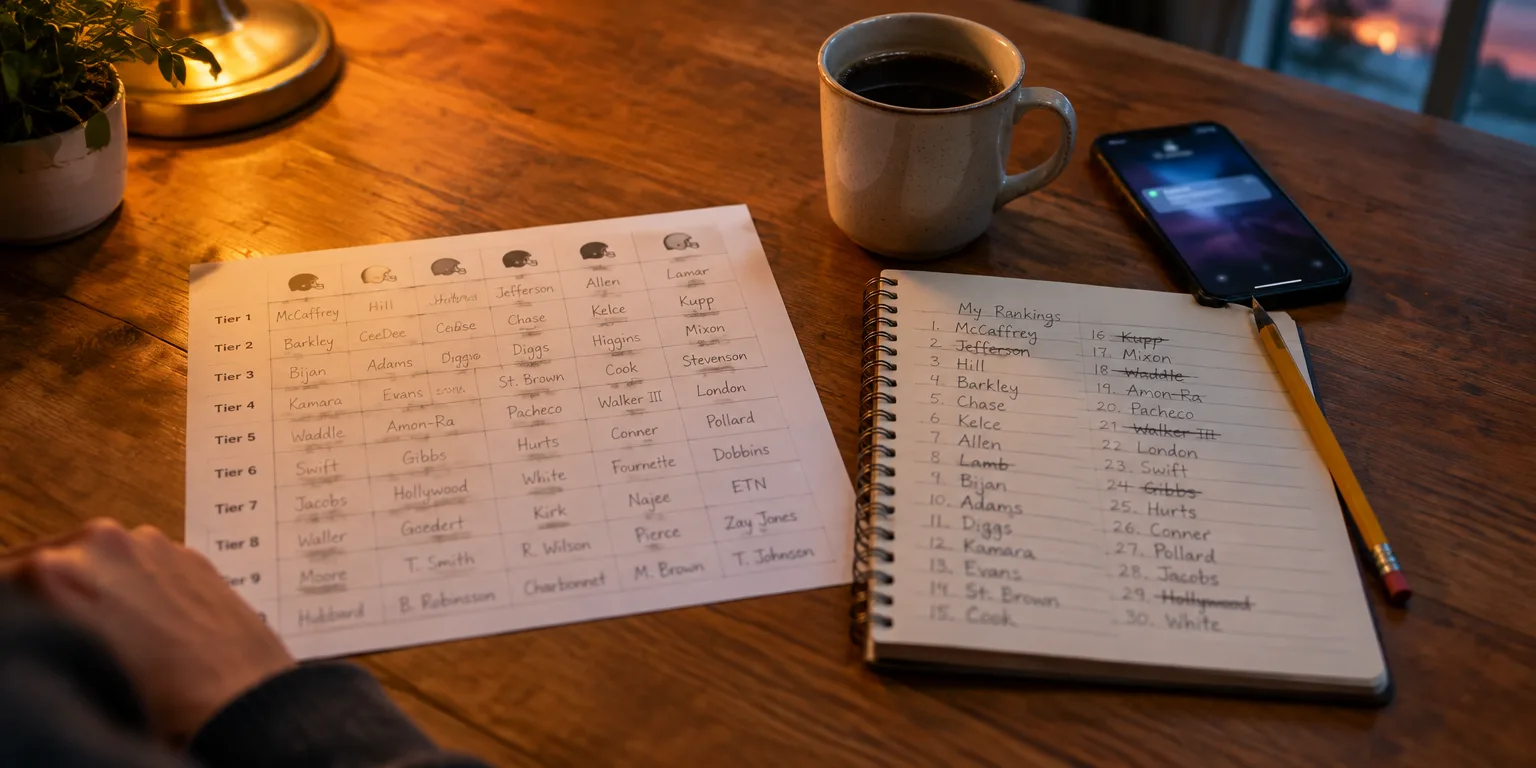
In June 2026, LordSkunk, a company that runs fantasy football leagues, published a pitch for the format it uses itself: the slow draft, which stretches picks over days instead of minutes.
Its case centered on one line. As LordSkunk put it, “Live drafts reward reflexes. Slow drafts reward judgment.”
In LordSkunk’s telling, the short live clock was the problem. It argued that managers panic-pick, miss a tier break because they were distracted, or “take a player you did not mean to because you ran out of seconds and the queue grabbed the wrong guy.”
A tier break here means the point where a cluster of similarly talented players runs out. A queue is a backup list that picks for you if time expires.
The format LordSkunk promoted gives each manager hours per pick over several days, rather than about 90 seconds with everyone online at once. LordSkunk put the payoff this way: “The advantage moves from whoever can click fastest to whoever thinks best.”
With hours instead of seconds, it argued, a manager could compare two players for 20 minutes, sleep on a hard choice, or react to news that broke mid-draft instead of staying locked into rankings set a week earlier.
That is why, in its June argument, LordSkunk called hours per pick a competitive upgrade rather than a convenience. For managers focused on assembling the strongest possible team, it contended, time to think beats a test of typing speed.
Questions people ask
How long does a slow draft actually take?
As of June 2026, LordSkunk's leagues used eight hours per pick, with push notifications when a manager was on the clock and an overnight pause so the clock did not run while managers slept. Most slow drafts described in the guide allowed four to twelve hours per pick and took two to four days.
What is an autopick, and why is it such a problem?
An autopick happens when a manager misses a turn and the system picks for them, usually from standard rankings. It can leave a team with a roster no one really chose, which is why LordSkunk argued that a longer window makes leagues fairer.
Do I still need a queue in a slow draft?
Most platforms let you set a queue, a short list of preferred players that the system will take from if you are away. In a slow draft it works as a safety net, not a replacement for making the pick yourself.