Small drones have made every U.S. base overseas a potential target
After Ukraine damaged or destroyed dozens of Russian bombers with hidden drones and Iran hit U.S. outposts, defending far-flung runways looks harder than building them.
 Up First from NPR · Threats On US Bases Overseas, France Student Protest, German Spy Arrest
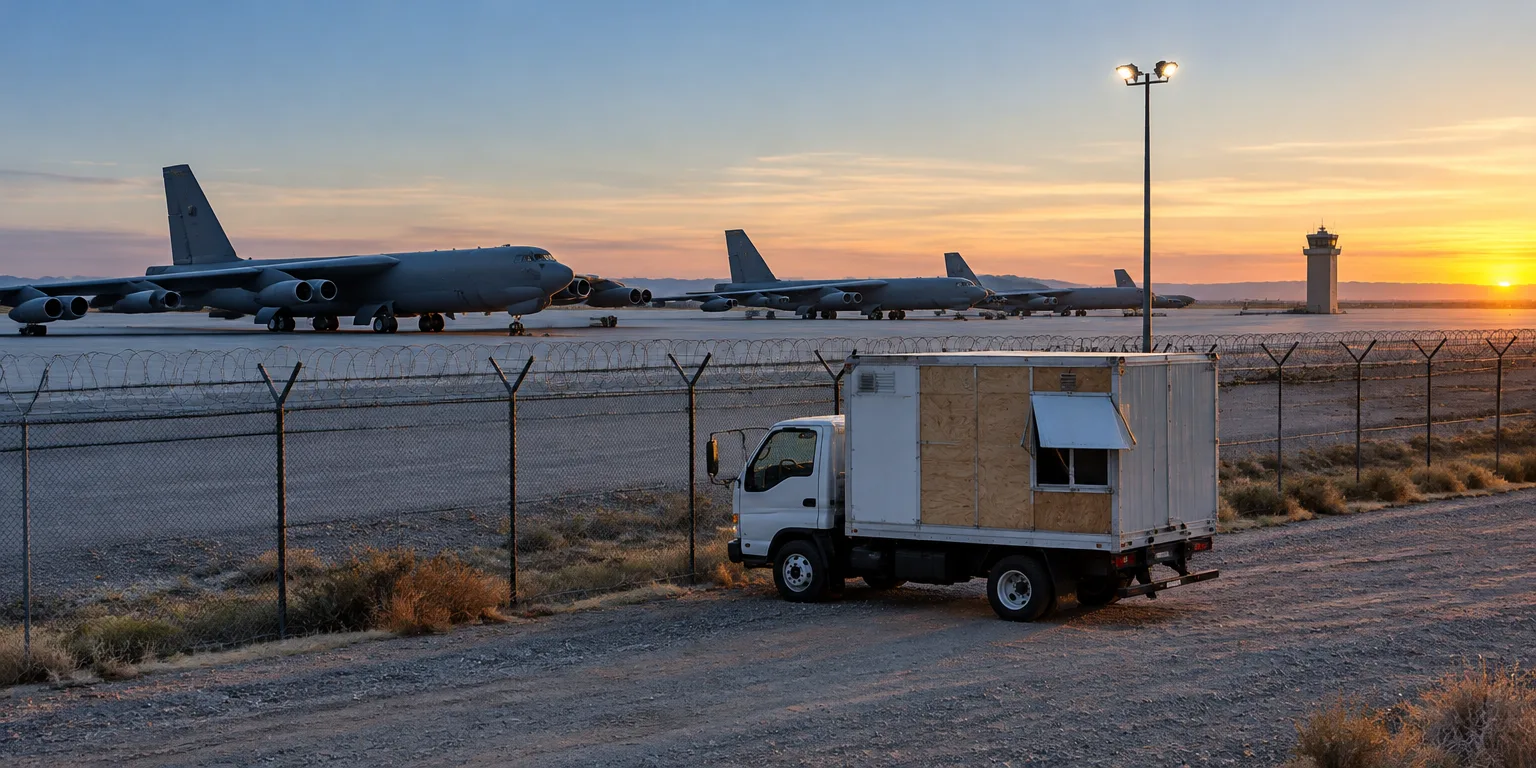
Last year, Ukraine parked trucks near several Russian air bases and damaged or destroyed 20 to 40 of Russia's long-range bombers, a significant part of its fleet.
The drones were hidden in tiny portable cabins fitted to the backs of the trucks. Ukraine launched them by remote control and hit the planes parked at the bases.
That attack got Washington's attention, said Greg Myre, a national security correspondent. If it could happen to Russia, it could happen to American planes parked in the open on foreign runways.
Recently, the United States abruptly flew a dozen B-1 bombers home from an air base in Britain, RAF Fairford, after American officials cited what they described as a believable danger tied to Iran that potentially involved a drone attack. Seven men were arrested near the base beginning Sept. 27, but all were released on bail with no charges and no weapons were found. American and British leaders have suggested a possible link to Iran without providing details, and Iran has denied involvement.
The conflict with Iran has reinforced that lesson. Iran has used drones and missiles to hit American bases across the Middle East, including what Myre described as a serious attack on the very large American naval base in Bahrain.
For three decades, the United States built bases across the region to protect allies and project power. The logic was that a forward base made America and its friends safer.
Drones turn that logic against the bases. A base concentrates expensive airplanes, ships, fuel, and housing in one known place. An attacker can buy small flying weapons, hide them in a van or a truck, drive close, and launch.
Defending bases is now harder than building them. Myre noted the United States has hundreds of bases in other countries, and said, "Now all of them have to worry about drone attacks."
Protecting one base means radar to find the drones, devices that jam the drone's radio link to its operator, and guns or missiles to knock them down, plus guards and new rules for everything parked nearby. Protecting hundreds of bases, around the clock, is complicated and expensive, and that cost is forcing a rethink of where America bases its power and how.
Questions people ask
How do you defend a base against small drones?
Mostly with layers. Radar and cameras try to spot them, jammers try to break the radio link to the operator, and guns, missiles, or other drones try to knock them down. No single tool works well, so bases combine several, and all of them cost money and people.
Why are drones harder to stop than airplanes or missiles?
Drones are hard because they are small, slow, and fly low, so they can hide among birds, buildings, and ground clutter. Many are also cheap enough that an attacker can send several at once, and the defender has to stop every one. A truck parked a few miles away can be a launch pad.
Why doesn't the U.S. just close some overseas bases?
Forward bases shorten flight times, store fuel and weapons nearby, and reassure allies by putting American troops beside them. Closing them would save defense costs but could make it slower to respond and leave partners feeling exposed, which is why the debate is about arrangement, not just numbers.