Software got 67% cheaper after inflation while overall prices nearly doubled
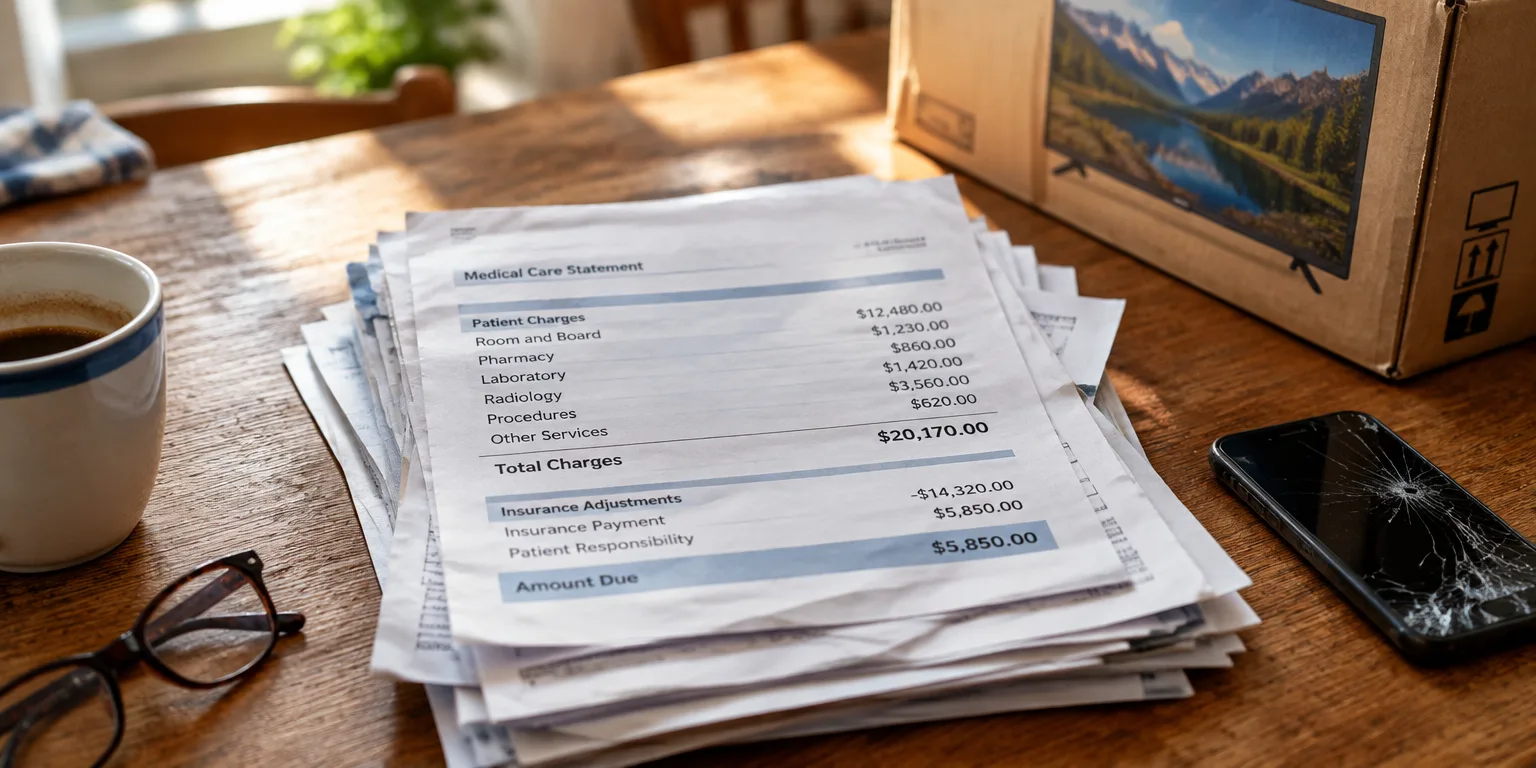
Healthcare rose nearly 300% over the same 26 years, while wages outpaced average inflation.
 All-In with Chamath, Jason, Sacks & Friedberg · Dario Defends Himself, Datacenter Panic, AI Doomer Trap, Senate Toss-Up
Over the 26 years ending in 2026, overall American prices rose 96%, almost doubling, while computer software fell 67% after adjusting for inflation.
The numbers, cited by tech investor David Sacks, cover 2000 to 2026. Healthcare costs rose nearly 300%, he said, while televisions, cell phones, and software got cheaper.
In Sacks's view, the split follows government involvement. He argued that healthcare, colleges, and housing, where he says subsidies and regulation are heaviest, saw sharp increases because providers can charge more when Washington helps pay, while less supported tech goods fell in price.
Average hourly wages rose 135% over the same period, about 40 points faster than inflation, so workers stayed ahead on average even as those essentials got much more expensive.
Questions people ask
What does "67% cheaper in real terms" mean?
It means after removing the effect of overall inflation. If average prices nearly doubled, something that costs the same number of dollars as 26 years ago is roughly half as expensive in inflation-adjusted terms. Software fell much further than that, down by two thirds.
Why would more government involvement mean higher prices?
That is the argument Sacks made. Economists who share it point to third-party payment and restricted supply. When insurance or federal aid pays much of the bill, buyers feel less pressure to shop on price, and limits on building, licensing, and accredited seats can hold supply down.
If wages rose 135% and prices rose 96%, why does affordability feel worse?
The average blends everything together, while households feel specific prices. A nearly 300% rise in healthcare looms larger in a family budget than a drop in the price of televisions or software. So overall pay can outrun average inflation while essentials still feel harder to afford.