Some Flowers Lace Their Nectar With Caffeine to Bring Bees Back
The dose is too small to kill the bee, but large enough to make the visit memorable.
 vlogbrothers · Caffeine is Very, Very Strange...
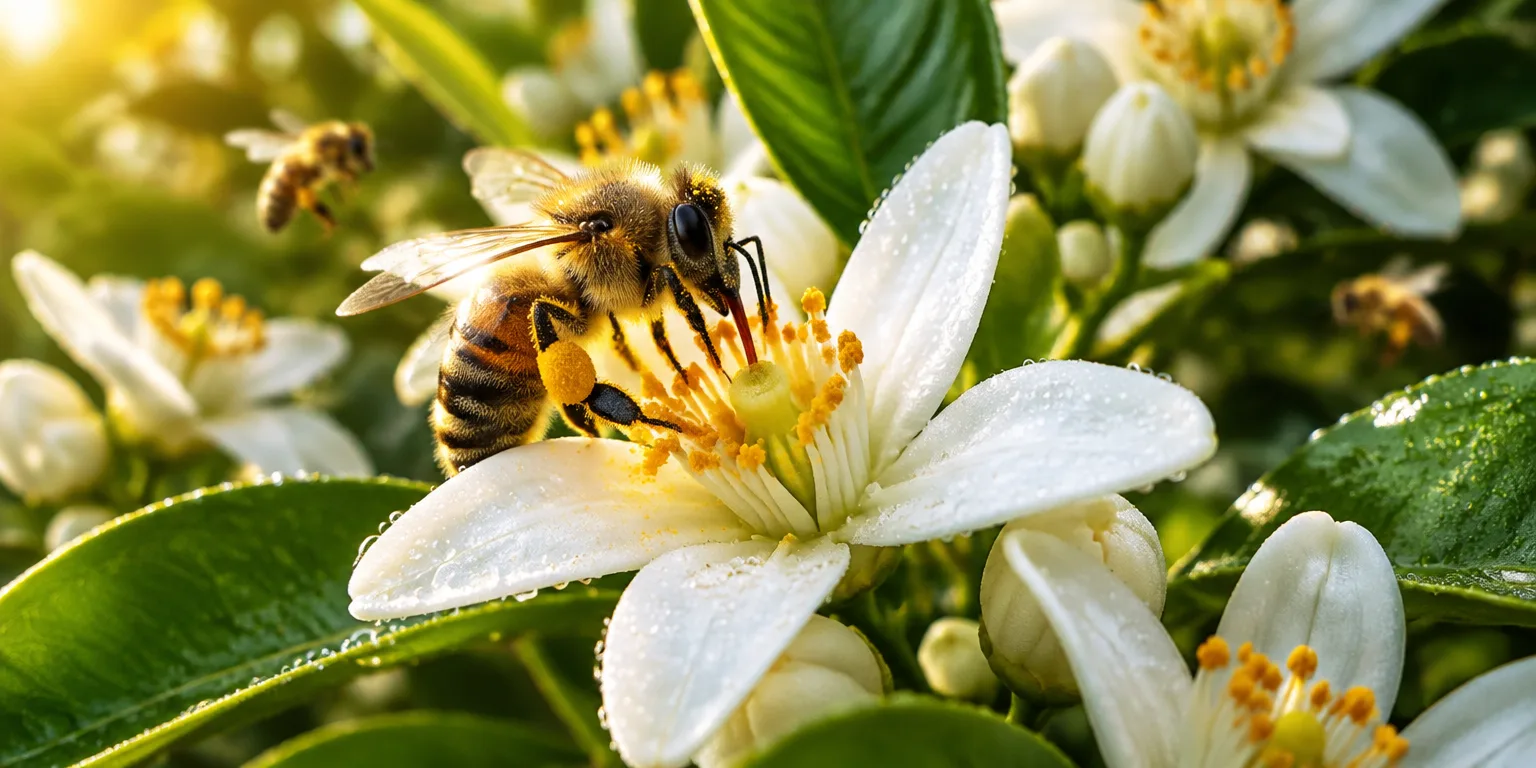
Some flowers spike their nectar with caffeine to keep bees coming back.
At full strength, caffeine is a bug killer. In nectar, plants use a much smaller dose. Instead of dying, a bee that sips that sweetened drink gets a little buzz, and tends to revisit that same kind of flower.
That loyalty is the payoff. A bee with a favorite flower carries its pollen from bloom to bloom, giving the plant more chances to make seeds. The plant is not feeding the bee out of kindness, it is drugging its delivery driver.
It is part of a larger chemical family. Tea contains a cousin called theophylline, and chocolate contains another called theobromine, and they act in much the same way.
Questions people ask
Which plants actually do this?
Citrus and coffee plants are the best studied examples. Their flowers produce nectar with very low levels of caffeine, far below the bitter, toxic levels found in their leaves and seeds. Honeybees that forage on them show stronger fidelity to those flowers.
Does caffeine actually improve a bee's memory?
Yes, in laboratory tests. Bees fed a tiny, nectar-like dose are more likely to remember a floral scent days later than bees fed plain sugar water. The effect seems to work on the brain cells involved in learning and reward, much as it perks up people.
Is the caffeine bad for the bees?
At nectar levels, no. The amounts are too low to poison bees, and bees naturally seek out those flowers. At much higher doses, caffeine is bitter and can be toxic to insects, which is why leaves use it as a defense.