Some Japanese Love America Because It Has No Rules
Professor Roland Kelts says his Japanese friends feel relief in the United States, just as Americans feel relief in orderly Japan.
 Search Engine · Why’s everybody going to Japan?
Roland Kelts, a Japanese-American professor at Waseda University in Tokyo who writes about Japan and the United States, was responding to PJ Vogt, an American who had just described his complicated feelings about home. Vogt had said he still loved America's unruly blend of many kinds of people being themselves in public, but felt, in his words, "something kind of broke 10 years ago," not just politically but with COVID, with angrier driving, angrier people, harder elbows, and more strangers playing videos aloud on the subway.
Kelts answered with the mirror image. He said a lot of his Japanese friends are drawn to the United States because it is different, and because it feels free, mirroring the American fascination with Japan. They love American movies, television, and pop music, he said, and get excited about chances to visit Los Angeles, Seattle, New York, or Boston.
What attracts them, in his account, is relief from codes. Daily life in Tokyo runs on unspoken expectations that almost everyone honors, to stay quiet on trains and in cafes, to queue neatly, and to keep public spaces spotless.
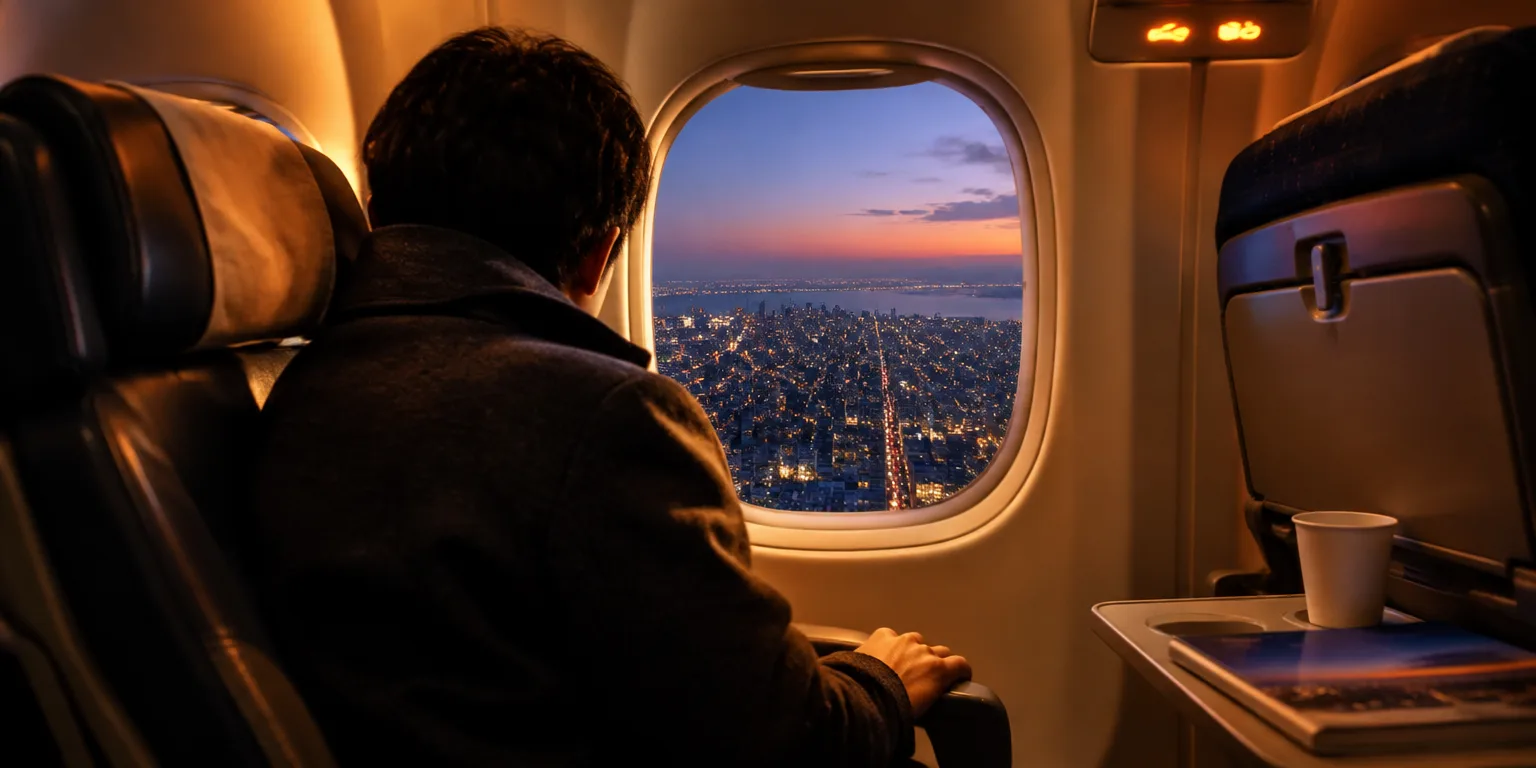
His example was a friend, an editor for Conde Nast in Japan who has lived in Vancouver and New York. She told him that when her plane starts its descent into Tokyo, her shoulders seize up. She knows she is coming back to a place where she has to follow the rules.
Kelts calls this the inverse of Orientalism, the old Western habit of romanticizing Asia. Vogt described the two countries as places to take, in his words, "a vacation, not just from your place, but your culture," and Kelts agreed, with Americans visiting Japan for order and his friends visiting America for release from order. Kelts's point was that in America, if someone tells you to be quiet in a cafe, you can tell them to go away and it is fine. You cannot do that in Japan.
Questions people ask
What are the unwritten rules visitors are expected to follow in Japan?
The big ones are quiet and cleanliness in shared spaces. People keep voices low on trains and in cafes, queue in marked lines, carry trash until they find a bin, and avoid eating while walking. None are laws for tourists, but breaking them draws stares because cooperation keeps crowded cities livable.
Do Japanese tourists actually visit the United States in large numbers?
Yes, though the flow is smaller than the American flow to Japan. Before the pandemic, roughly 3.5 million Japanese residents visited the United States each year, with Hawaii, California, and New York among the top draws. Numbers fell sharply after 2020 and have recovered more slowly, partly because of the weak yen.
What does Orientalism mean here?
It is a term for the way Western artists and writers have long romanticized Asia as exotic, delicate, and mysterious. The classic example was 19th century France, where painters like Van Gogh and Monet collected Japanese woodblock prints. Kelts means Japanese admirers can romanticize America in the same simplified way, as pure freedom.