Some Traders Were Paid to Take Oil Away
For one trading house, below-zero prices lasted about two weeks in landlocked areas with little pipeline access.
 Odd Lots · Javier Blas Explains How Commodity Trading Shops Really Work
When American oil prices went below zero, some traders were paid to haul the oil away.
Javier Blas, a commodities correspondent who covers global trading houses, said some traders at Cushing were effectively paid to accept barrels, though, as Blas put it, "there was not a lot of it." The famous negative print, he said, reflected technical quirks in the futures contract and some traders pushing prices at closing time to suit their positions.
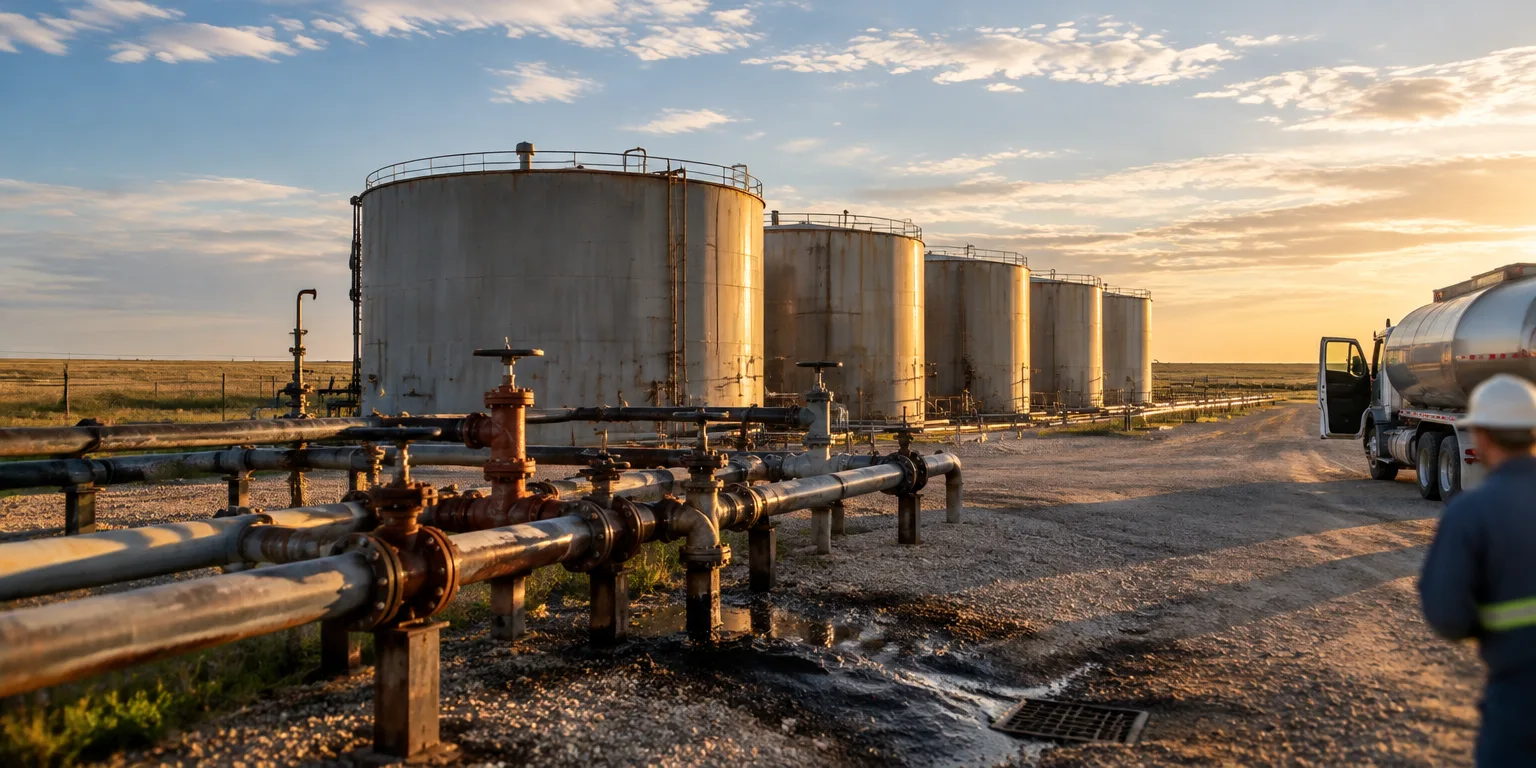
Away from that one-day screen price, physical oil in parts of the United States with poor pipeline access was already trading below zero. Blas said Mercuria, a large oil trading house, bought American crude at prices below zero for about two weeks in landlocked areas with very difficult pipeline access. When tanks fill and oil cannot be moved out, paying someone to take it can be cheaper than shutting down production.
Questions people ask
Why would a producer pay someone to take oil?
If tanks and pipelines are full, there is nowhere to put new production. Shutting down a well can be costly and can damage the reservoir, so it can be cheaper to pay a trader to take the oil than to stop pumping. The trader then bears the trouble and cost of storing it or finding a buyer.
What is Cushing?
Cushing, Oklahoma is the storage and pipeline hub where the benchmark American oil futures contract is settled. Traders who hold the contract at expiration must accept physical oil there, so when storage at Cushing fills up, prices can collapse. Its tank levels are watched as a gauge of American supply.
Who is Mercuria?
Mercuria is one of the world's largest independent energy and commodity trading houses, based in Geneva and founded in 2004. Like its rivals Vitol and Trafigura, it buys, ships, stores, and sells physical oil and other raw materials around the world. It profits by moving supplies from places with too much to places that need more.