Sound confident by pausing, not by slowing down
Nervous speakers rush and plug silence with ums and likes, but slowing down doesn't help.
 TEDx Talks · How to be confident (even if you’re not) | Montana von Fliss | TEDxBellevueWomen
Montana von Fliss, a speaker coach, teaches nervous speakers a move she calls "pause like a boss." It is her fix for rushed, filler-packed delivery.
The problem, as she describes it, is speed plus filler. "Nervous speakers tend to talk really fast," she says, and when they do pause, they fill it with likes and ums. She warns that "if you try to speak more slowly," it sounds like her drawn-out demonstration, and she says that's not better.
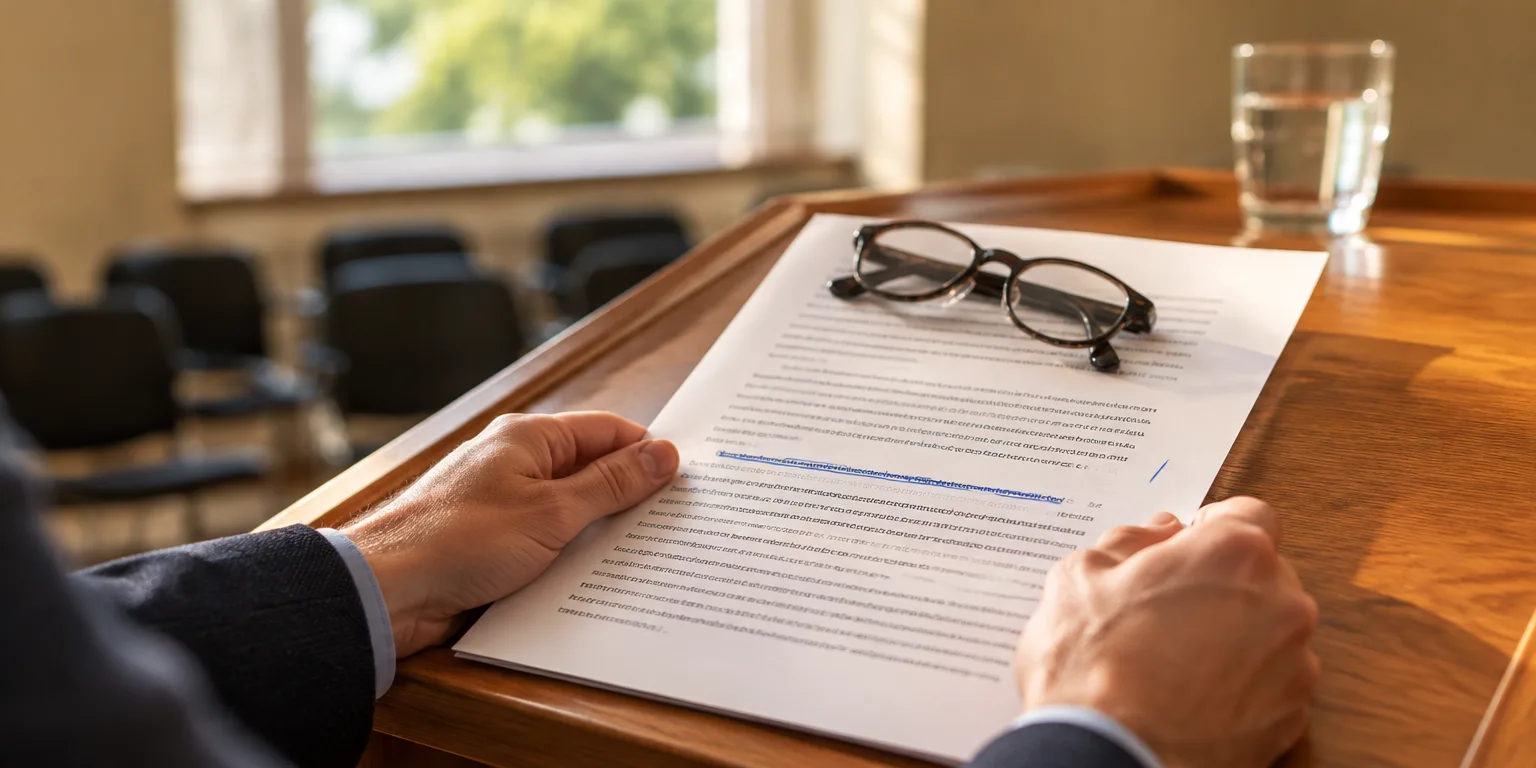
Instead, she advises keeping a normal pace and inserting strategic pauses. Pause in transition, when you move from one idea to the next. Pause for emphasis. Let the silence sit for a beat, rather than plugging it with a sound.
She argues a short pause can do what slowing down cannot. With clean pauses, she says, it sounds "prepared, positive, and confident."
To try it this week, pick one transition in something you have to say. Write a line through your notes where you want the quiet to go. Say the first part, stop, breathe, and then start the next part.
Do it the same way a second time, so the pause starts to feel like part of what you say. That one practiced pause is enough to start.
Questions people ask
How long should a strategic pause last?
A beat is usually enough, about one second. That feels long to you but sounds normal to listeners, and it gives you time to breathe and think about the next line.
Where do I put the pauses in a work update or toast?
Plan two or three in advance, at the shift between ideas and before your main point. Mark them in your notes with a slash or the word pause, then practice hitting them the same way each time.
What should I do when I catch myself saying um?
Notice the urge without scolding yourself, stop the sound, and leave quiet instead. Speakers often cut fillers fastest by replacing them with nothing, not by trying to be perfect.