Species with little genetic variety are more vulnerable to climate shifts and disease
Isolation or small numbers shrink the range of gene versions that help plants and animals cope with change.
 TED-Ed · Why is biodiversity so important? - Kim Preshoff
Species with little genetic variety can be pushed toward extinction by climate shifts, disease, or broken habitat.
Forests are strong when each species also carries varied genes. Those differences mean some individuals are more likely to survive when temperature, illness, or food supplies change.
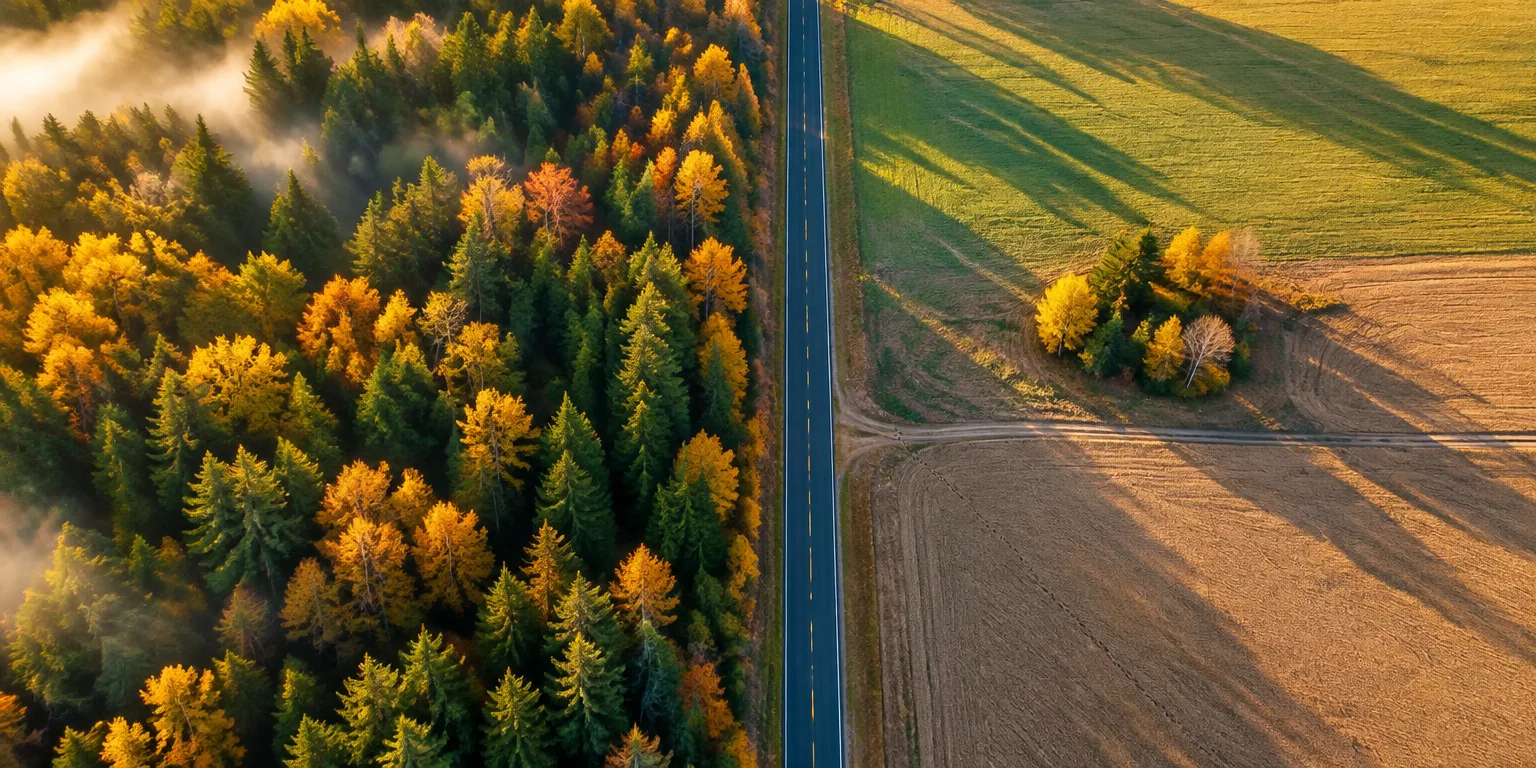
Species that become isolated or fall to small numbers lose much of that inner range of gene versions. When habitat fragmentation splits a forest into separate patches divided by roads or farms, groups can no longer mix, and their weakened makeup makes disappearance more likely. Because forest species depend on each other for food, shelter, and recycling nutrients, losing one weakens the living web that holds the rest together.
Questions people ask
What exactly is genetic diversity?
It is the range of gene versions carried by individuals of the same species. In people, it is why siblings can have different heights, blood types, or resistance to illness. In wild species, a wider range means a greater chance that some individuals can survive a new disease or hotter weather.
Why does isolation or a small population reduce genetic diversity?
Small or cut-off groups mate among fewer individuals, so fewer gene versions get passed on. Over generations, inbreeding increases and shared vulnerabilities become common. That leaves the whole group less able to adjust when conditions change.