Spicy Food Fans Feel the Same Burn. They Just Like It.
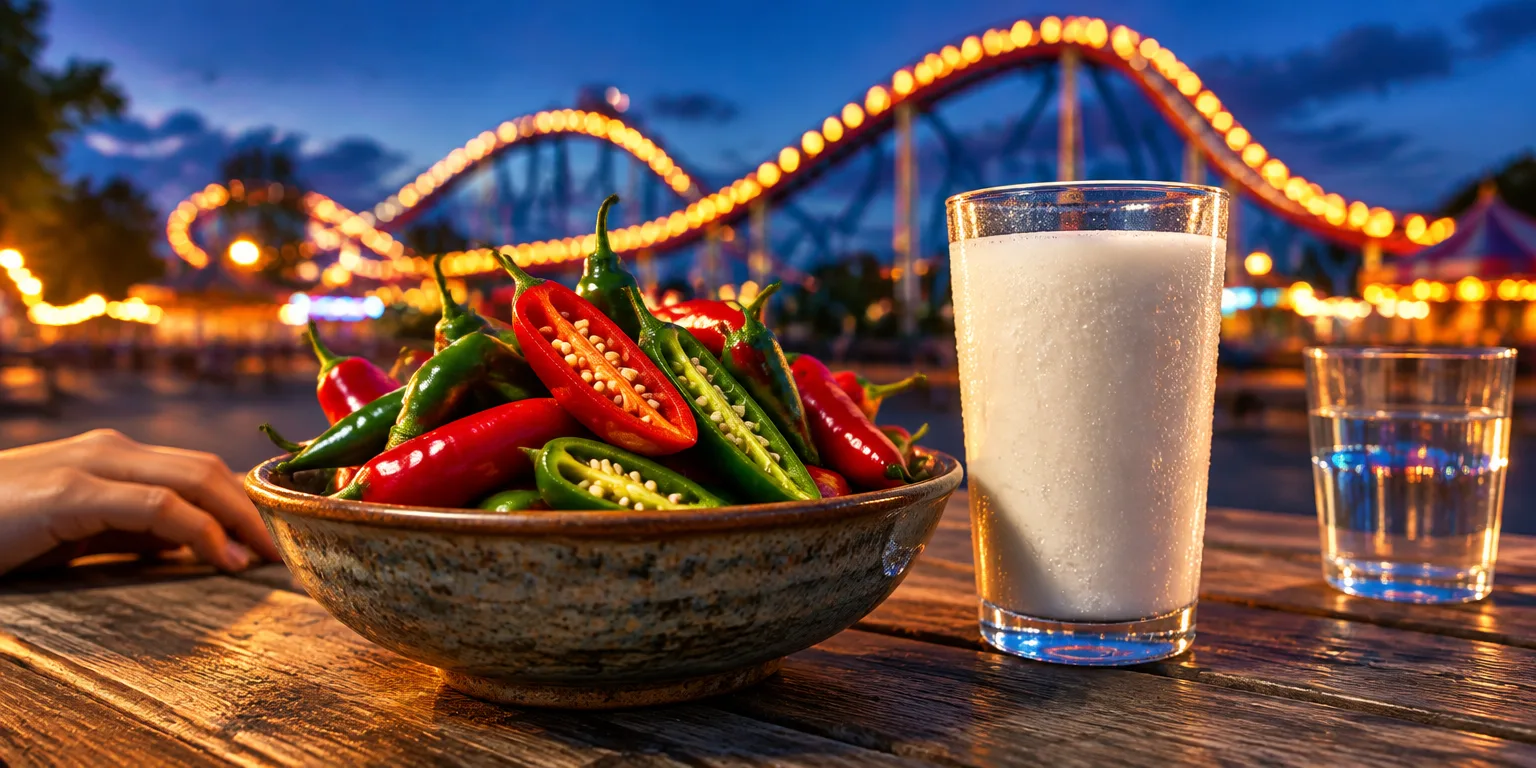
The thrill is like a rollercoaster, and some studies suggest heat seekers are also more likely to enjoy gambling.
 TED-Ed · The science of spiciness - Rose Eveleth
After thousands of years of cooking with mustard and chilies, Rose Eveleth, a writer explaining the science of spiciness, turns to a modern puzzle: why we still willingly eat food that hurts.
Eveleth puts it this way: "For some people, eating spicy food is like riding rollercoasters; they enjoy the ensuing thrill, even if the immediate sensation is unpleasant."
The rollercoaster comparison includes the pain. In studies, people who like spicy foods describe the burn as no less painful than people who avoid them. They "just seem to like the pain more."
That liking for heat may have genetic roots. Some studies have shown that people who like hot food are more likely to enjoy gambling and other pastimes that involve adrenaline.
She warns that training does not make the burn hurt less. Some studies find the sting does not fade. As Eveleth puts it, "You just get tougher."
Questions people ask
Does milk actually help with the burn?
Yes. The compound that makes chilies hot dissolves in fat, not water, so whole milk, yogurt, or ice cream can wash it away more effectively. Water tends to spread it around, which is why it often feels worse.
Can really hot peppers hurt you?
For most healthy people, the pain is temporary and causes no lasting damage, though very hot peppers can cause nausea, vomiting, and intense stomach pain. People with heart conditions, asthma, or severe reflux should be cautious, and pepper spray strength chilies should be treated with respect.