Sri Lanka's elephants are dying because they have nowhere left to walk
After the civil war, new villages blocked ancient migration paths, pushing hungry herds into farms and violent clashes.
 Global News Podcast · US and European websites go offline over security concerns
Last year, 455 wild elephants died in Sri Lanka, up from 388 the year before. In a country with about 5,800 wild elephants, that is a staggering loss, and it has left the island among the most dangerous countries for confrontations between people and elephants.
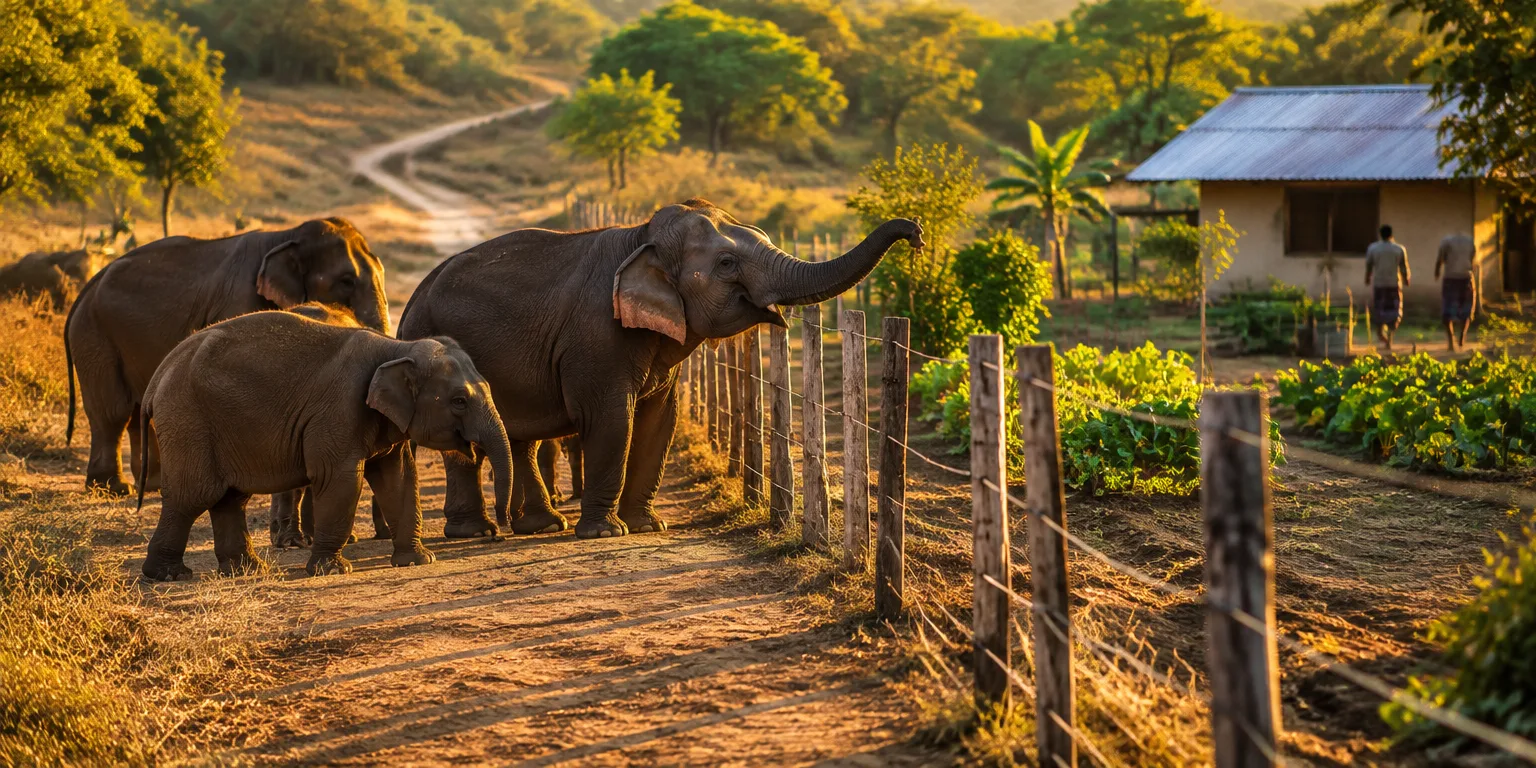
The trouble starts with movement. Elephants survive by walking long-established corridors between feeding grounds and water, gathering at lakes, rivers, and waterholes. After Sri Lanka's civil war ended in 2009, people began settling in forested areas that had been off limits for security reasons. New farms and villages spread across those old paths, and elephants that once passed through open forest suddenly ran into homes and crops.
Hungry animals keep coming anyway. As forests shrink and dry spells leave less water and food in the wild, elephants push into villages in search of something to eat. That is when encounters turn deadly for both sides. The human toll is rising too, alongside the elephant deaths.
People defend their fields with crude and often illegal tools. One is the jaw bomb, a small explosive hidden in food. An elephant picks it up to eat, and it can explode in the mouth, which is very cruel. Another is the homemade electric fence. Sri Lanka allows low-power fences that give a warning shock around villages, but some residents wire fences directly to power lines. That full-strength current can kill an elephant on contact. People also use illegal guns, and last week a well-known three-meter-high elephant, whose name was unclear in the broadcast, was shot and later died of its injuries.
The government is now cracking down on illegal fences and urging farmers near elephant habitat not to plant crops that lure the animals in. People and elephants will have to share the same crowded landscape, because the elephants have nowhere else to walk.
Questions people ask
What is an elephant corridor?
An elephant corridor is a route herds have used for generations to move between food, water, and shelter. When houses, roads, or farms block that path, elephants do not simply find another way. They push through, and that brings them into villages and fields.
How is an illegal electric fence different from a legal one?
Legal fences run on energizers that deliver a short, painful but not lethal shock to turn an animal away. Illegal fences are hooked straight to household or high-voltage lines, so they carry continuous current that can electrocute an elephant, and injure people as well.
Why do elephants matter so much in Sri Lanka?
Elephants are revered in Buddhist and Hindu traditions in Sri Lanka, appear in religious processions, and draw tourists who come to watch wild herds gather at waterholes. That makes the killings especially painful for many Sri Lankans, even as farmers suffer crop losses.