Start with the simplest version that could work
Start many small experiments, ship the simplest one quickly, and let users shape what it becomes.
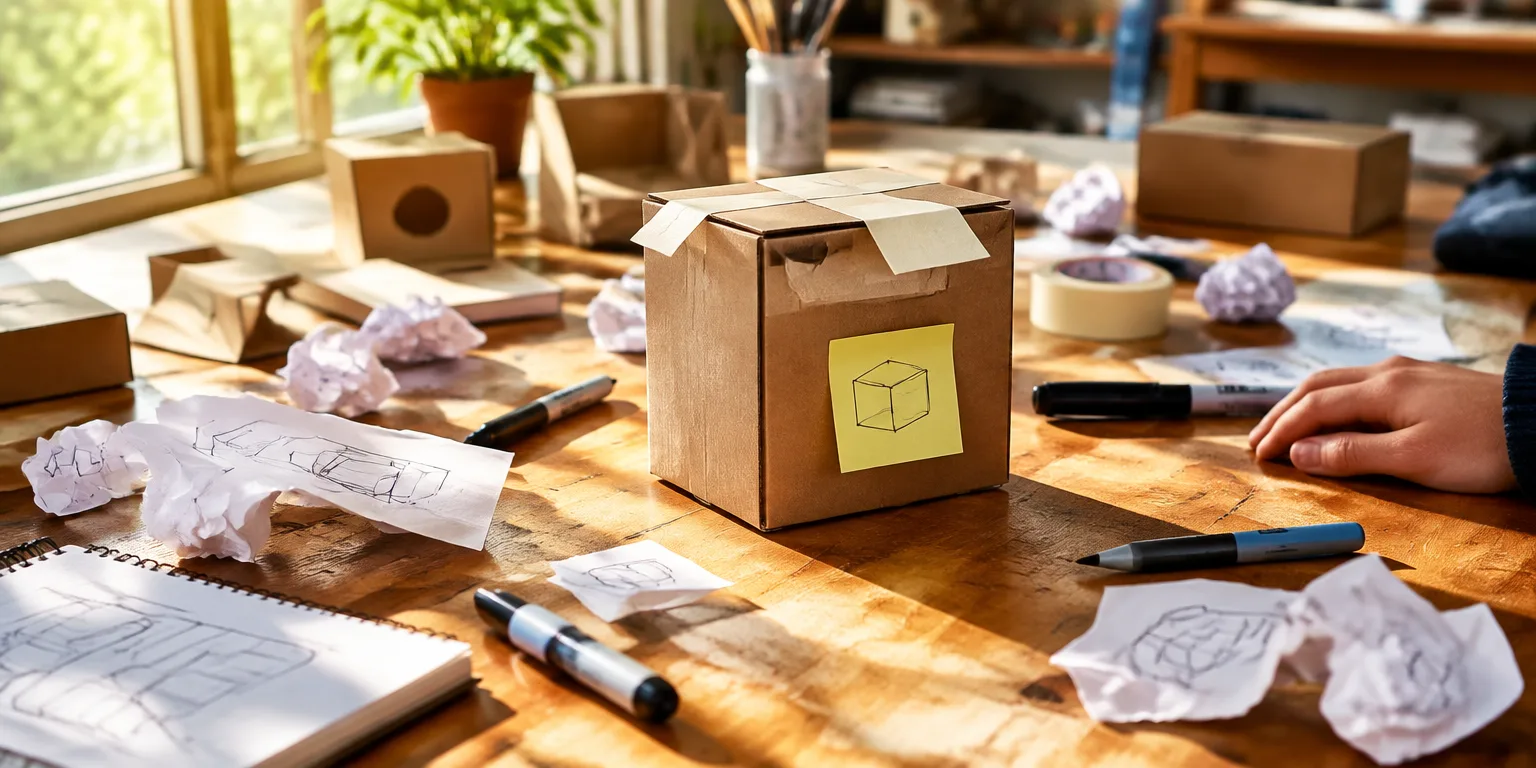
 paulgraham.com · How to Do Great Work
Paul Graham, the writer of a long essay on doing great work, says the way to build something large is to release the smallest version that might work and let the people who use it shape what comes next.
His case starts with quantity. He urges trying many tiny efforts, because wider experimentation improves the odds of stumbling onto something new. As he puts it, "You can't have a lot of good ideas without also having a lot of bad ones."
Trying comes before studying, because although it sounds more responsible to master everything done before, he says experimenting first teaches faster and is more fun, and makes the older work clearer when you return to it later. Starting tiny also makes starting easier, and the two ideas reinforce each other.
The core move is to get that early version to users quickly and revise it in response to what they do. Keep each release narrow, rather than loading it with extra novelty, and repeat the cycle. Built this way, Graham writes, the final version is both "cleverer and more ambitious than anything you could have planned."
That is why an early dismissal can be encouraging. When people call a first attempt a toy, it often means the basic concept works and only lacks size, and size tends to follow.
Questions people ask
How small should the first version be?
Small enough that you can finish and share it soon, even if it feels incomplete. Graham's advice is to try the "simplest thing that could possibly work" and then evolve it based on how people respond.
How do I know whether to keep evolving an idea or drop it?
Use response as your guide. If people use it, even in a limited way, and their feedback suggests clear next steps, keep evolving it. If repeated versions earn no interest, treat it as one of the expected failures and start another small thing.
Doesn't it waste time to skip the research and just start trying?
Not necessarily. Attempting the problem first gives you questions and context, so when you later read prior work, you notice details and reasons you would have skimmed past.