Starved of Nitrogen, Algae Can Make Up to 60 Percent Oil
Deprived of nitrogen or phosphorus, microalgae grow more slowly and stockpile fat that converts into diesel.
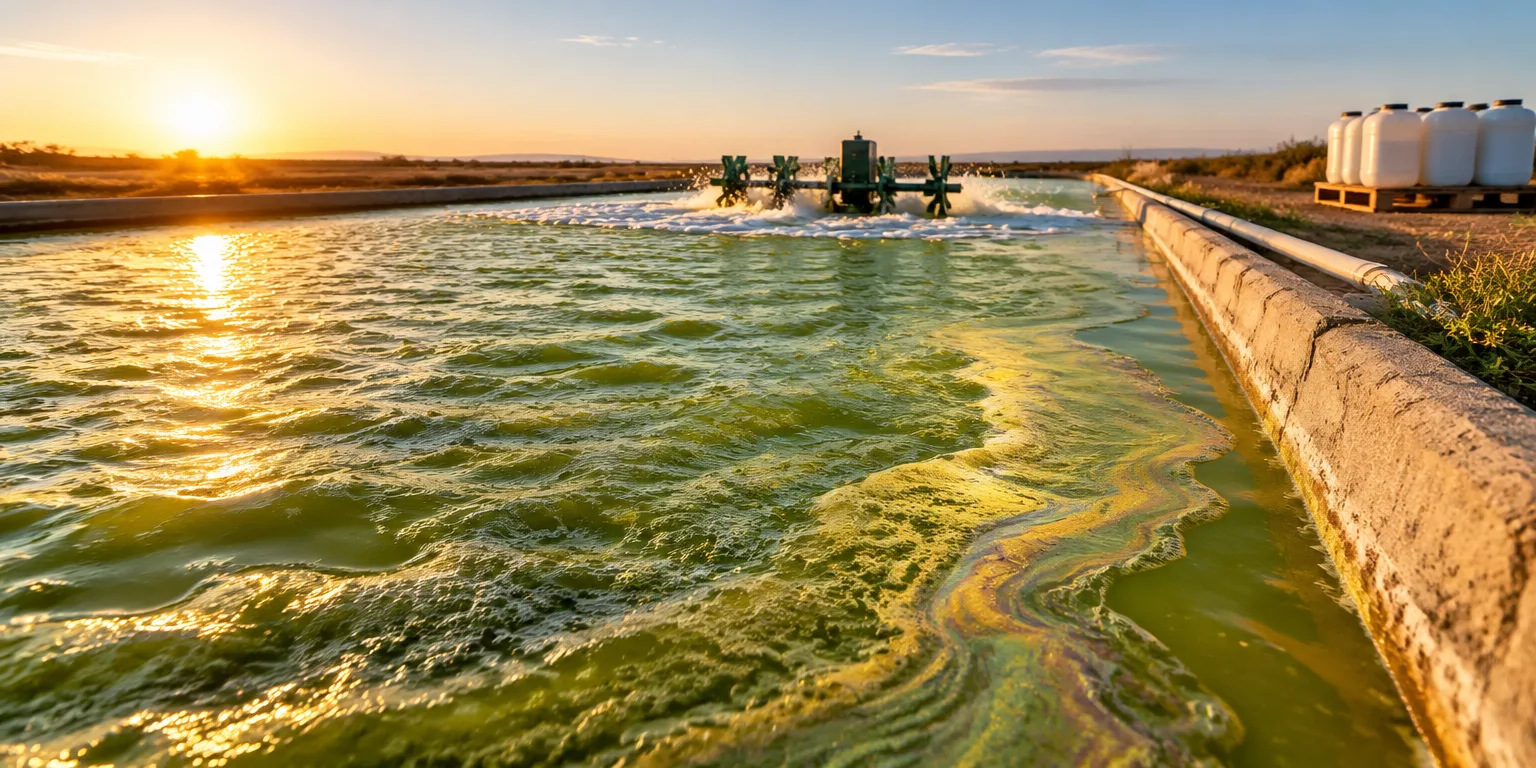
Withhold a key nutrient and pond scum gets fat. Deprived of nitrogen or phosphorus, many species of microalgae, the single celled organisms grown in open ponds or enclosed systems called photobioreactors, reprogram their metabolism and stockpile oil in the form of molecules called triacylglycerols, or TAGs, until those oils make up to 60 percent of their dry weight.
That trick works because algae are unusually flexible. Unlike land based crops, microalgae grow fast, photosynthesize efficiently, and thrive in places crops cannot, including salty water and wastewater. Normally they make a mix of lipids, carbohydrates, and proteins, which can become biodiesel, ethanol, biogas, or bioplastics. Under optimized stress, some microalgae explored for fuel can exceed 40 percent oil by dry weight.
Scientists call that flexibility biochemical plasticity. By limiting nutrients, adding salt stress, or enriching the carbon dioxide supply, growers can redirect the cells toward whichever product they want. Cut nitrogen or phosphorus, and many strains shift from multiplying to storing energy as TAGs, the ideal starting material for biodiesel.
Turning that stored fat into fuel takes extraction plus conversion. The oils are released by breaking the cells and washing them with solvents such as hexane or ethanol, then converted through a catalytic process called transesterification into fatty acid methyl esters. Those esters have traits prized in diesel fuel, including ready ignition and little sulfur.
The catch is getting the oil out cheaply. Harvesting and drying the watery soup of algae takes so much energy, and solvents cost so much, that researchers are now testing wet extraction, fuel making without full drying, and strains bred to stay oily, to make the process pay.
Questions people ask
How does algae oil become biodiesel?
Transesterification swaps part of the algal oil molecule for methanol, in the presence of a catalyst, to make fatty acid methyl esters and glycerol. The esters are thin enough to run in a diesel engine, while raw vegetable oil would be too thick and gummy.
Does starving algae reduce how much they grow?
Yes. Stressed cells often grow more slowly and produce less total biomass, so the share of oil rises while the total harvest can fall. Much current work focuses on strains, pond designs, and two-stage growing that maximize total oil per acre, not just oil percentage.
Can seaweed be starved to make biodiesel too?
No. Large seaweeds such as Ulva, Gracilaria, and Laminaria are rich in sugary carbohydrates like alginate and laminarin, but contain less than 5 percent oil. They are better suited to ethanol, butanol, or biogas made by fermentation or digestion, not biodiesel.