Stopping Gas Exports Would Be Hard, Not Impossible
Exports are already financed and promised abroad, and holding back contracted shipments would hit allies that planned around U.S. supply.
 Invest Like the Best with Patrick O'Shaughnessy · The 2028 Natural Gas Crisis No One Sees Coming
If American gas prices spike, Washington could keep more gas at home, but it would be very complicated. That is the catch in an otherwise tempting fix.
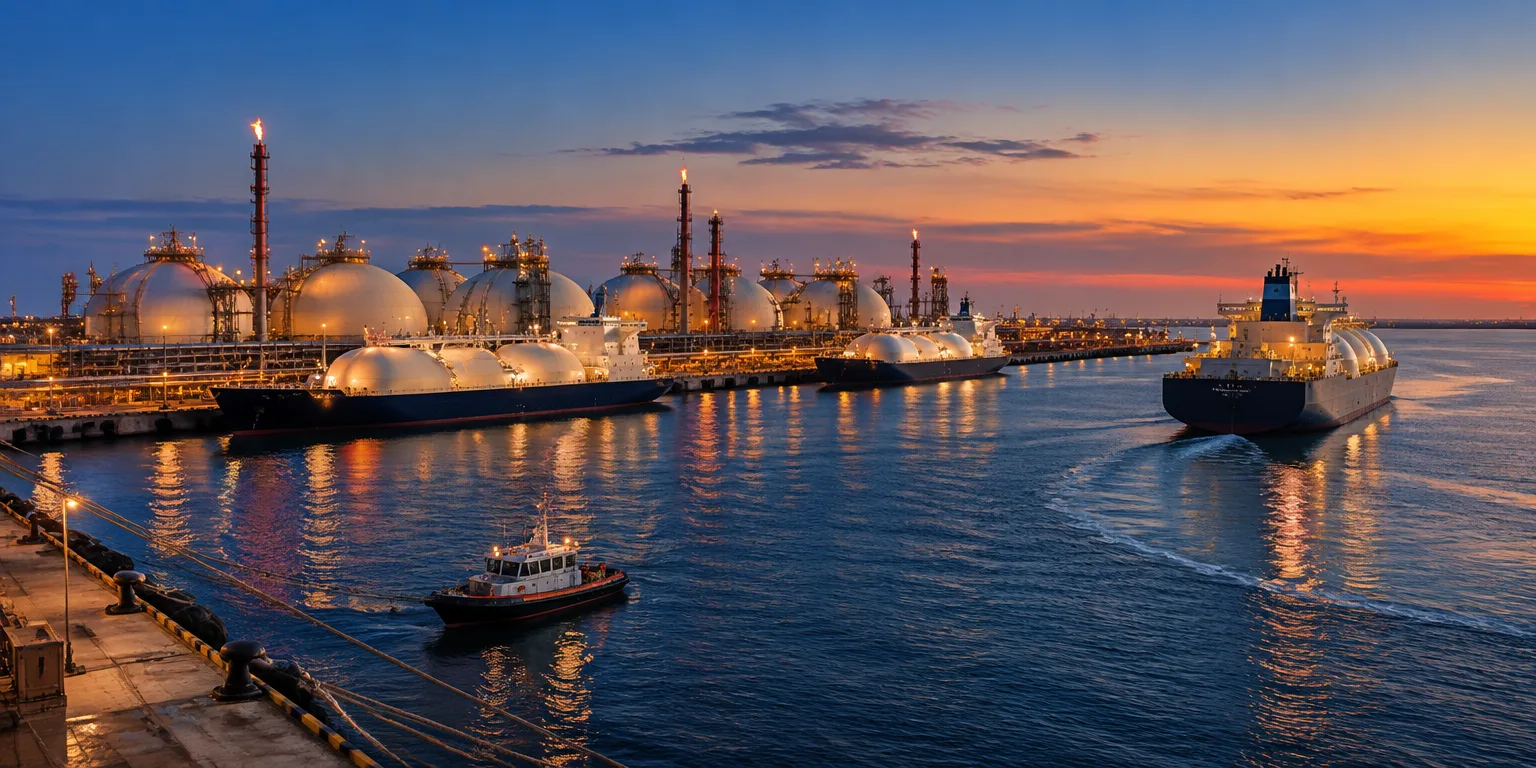
A little more than a decade ago, the United States exported almost no natural gas. That changed with shale drilling and a building boom in plants that chill gas into liquid form so it can be loaded onto tankers. Matt, an energy analyst who has spent 20 years studying energy markets, says exports are now about 15 billion cubic feet per day and are scheduled to reach 35 billion cubic feet daily near the end of the decade. In several years, the United States will account for roughly one third of worldwide gas output.
That scale comes with financing and promises. The export projects carry tens of billions of dollars in project financing and long term contracts, and buyers include allies with free trade agreements and, increasingly, countries without them. Shutting off shipments could be done, but it would mean breaking or disrupting deals that lenders, builders, and buyers counted on.
Not all shipments are equal. Some tankers leave as spot cargos, extra loads sent abroad to capture higher prices in Europe or elsewhere. At $8 to $10, some of those spot exports might be held back, leaving more gas in the domestic system. Spot cargos alone cannot close a large shortfall. The larger step would be shutting off contracted cargos, gas formally sold to specific foreign buyers.
Many countries are building gas fired power plants that depend on U.S. delivery. In Japan, a utility counterparty counts on contracted American gas to provide electricity. In Europe, where Russia was once a major supplier, U.S. gas helped fill the gap. Asia is also a large consumer of American gas. If the United States could not deliver 30 to 35 billion cubic feet daily or more, global rebalancing would be required. Europe cannot produce enough gas itself, so it would face a choice between Russian gas or much higher cost supplies. Failing to deliver would strain ties with important allies just when the United States wants them as allies. Curtailing exports remains a lever to consider late in the decade against rising domestic electricity prices, but it is a hard one to pull.
Questions people ask
What exactly is LNG?
LNG stands for liquefied natural gas. Gas is cooled until it becomes a liquid, shrinking to about 1/600th of its volume, so it can be carried by ship. At the destination, it is warmed back into gas and fed into pipelines and power plants.
What is the difference between a spot cargo and a contracted cargo?
A spot cargo is a single tanker load sent abroad to capture a higher price, often in Europe or elsewhere. A contracted cargo is gas sold under a long term agreement to a named buyer, such as a utility, that plans its electricity supply around it. Spot loads can more easily stay home, while stopping contracted loads disrupts the buyer and the contract behind it.
Could the government legally stop exports already under contract?
Matt does not give a ruling on whether it would be lawful. His point is that stopping contracted gas could be done but would be very complicated, because of contract law, tens of billions of dollars in financing, and reliance by allied buyers.