Strong El Niños May Come More Often, Leaving Reefs Less Time to Heal
If powerful events keep arriving more often, a shock that once came once in a generation could hit every few years.
 Short Wave · 'Super' El Niño is coming. What should you expect?
The problem with stronger El Niños is not only how hard they hit. It is how soon the next one might arrive.
El Niño is a periodic warming of Pacific waters that shifts weather around the world. Julia Cole, a climate scientist who studies its history in Galapagos corals, says she expects what counts as a strong event today to occur more often, because El Niños are intensifying as the planet warms.
That expectation comes with limits. Her coral data show the recent intensification trend is real and happening now, she says, but they do not show what will happen next. She is not saying that warming has taken control and that every future event will be stronger than the last.
Heat combined with wider swings would still raise everyday risks, because the gap between blows matters. A moderate event can leave an ecosystem time to rebound, and leave a community or a country time to rebuild economically.
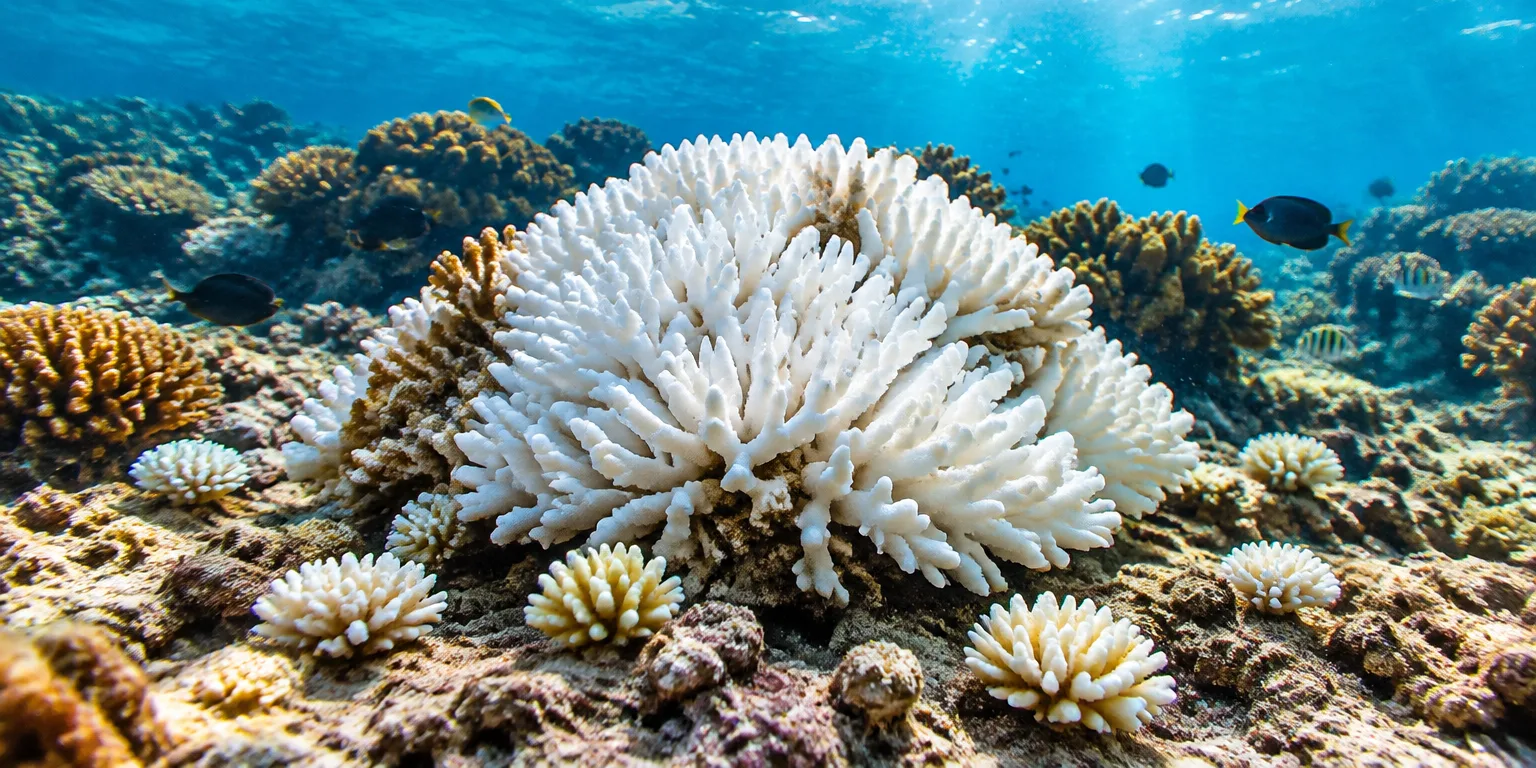
Coral bleaching shows why. The most severe global bleaching tends to follow the most powerful El Niño years, when heat stressed reefs lose the algae they depend on and turn white. A reef hit that hard about once every 30 years may recover and regrow.
If such hits came every two to five years, recovery gets much harder. Young corals need quiet years to settle, grow, and reproduce, and they rarely get them when severe heat returns that fast. On land as well, shorter gaps between strong events could leave shrinking breathing room to recover.
Questions people ask
What exactly is coral bleaching?
Bleaching happens when corals get too hot and expel the tiny algae that live inside them and give them color and much of their food. White skeleton shows through, and if heat lasts long enough, the coral starves and dies. Mild events can reverse when water cools, but severe and repeated events kill large areas.
Why is recovery time so important for a reef?
Many reef building corals grow only a fraction of an inch to a few inches per year, so replacing a mature reef takes decades. Between disturbances, young corals need calm years to settle, grow, and reproduce. If another heat wave hits first, the next generation is wiped out before it can take hold.