Swearing helped people hold an arm in ice water longer
A psychologist says cursing may both vent frustration and pull attention away from hurt.
 Something You Should Know · The Surprising Power of Swearing & How to Build Confidence Fast
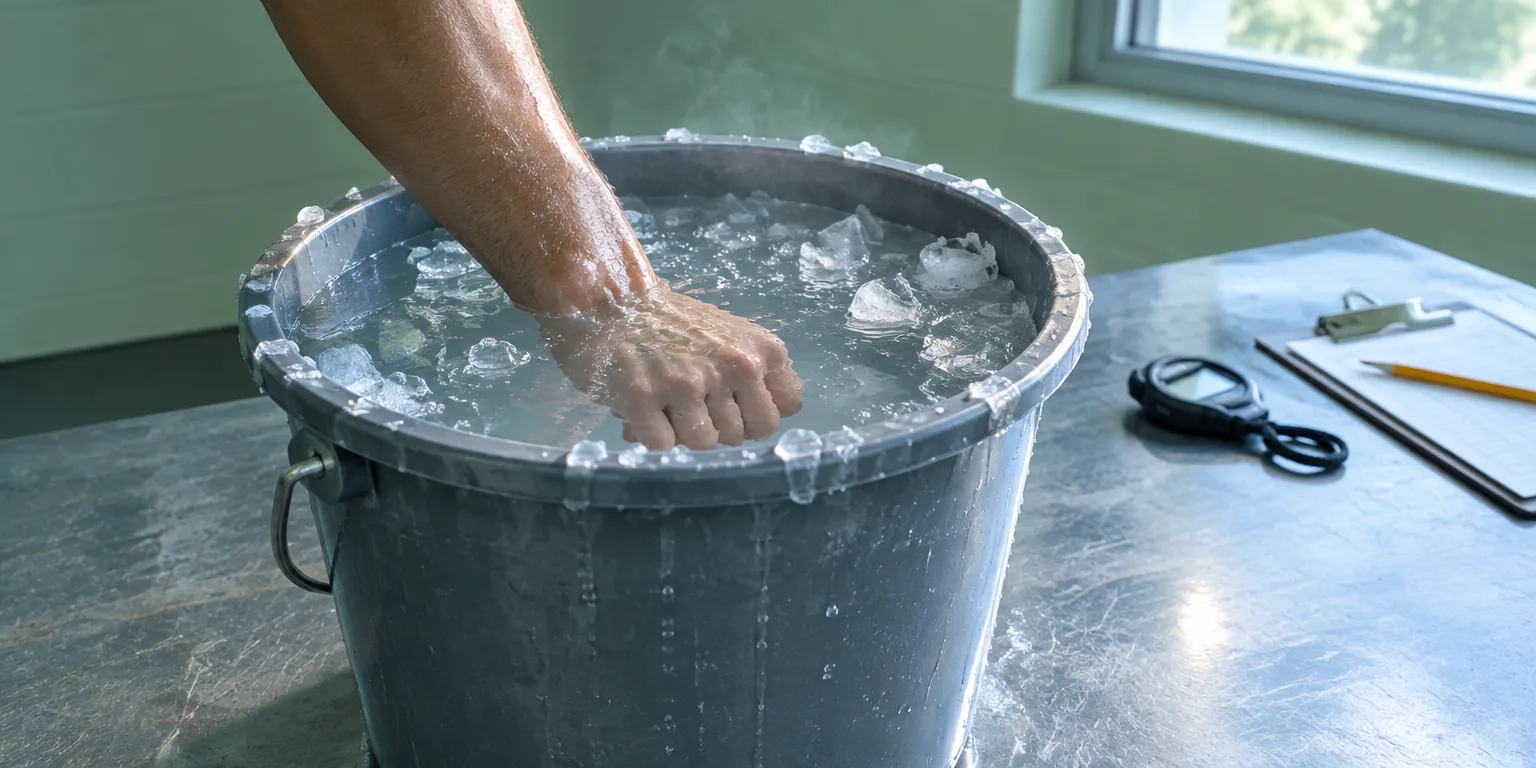
The bucket is full of ice water. A subject puts an arm under the surface, and the cold becomes very painful very quickly.
That scene was the test. Richard Stevens, a researcher at the University of Keele, had people submerge an arm in icy water. Half were allowed to swear while they did it. The other half had to stay silent.
The result was simple, and surprising. The people who were allowed to swear kept their arms in the painful water longer than the people who said nothing, according to Timothy Jay, a psychologist who studies swearing and described the work.
Jay thinks two things may be happening at once. One is bodily release, a way to let frustration escape out loud. The other is mental, because finding and saying words diverts a little attention from the pain.
The test did not study stubbed toes. When asked about that familiar moment, when someone smacks a foot on a table and curses, Jay pointed to the ice water result as support for the idea that swearing can ease pain. He offered the two mechanisms as his own reading of why it helps, not as proven fact.
In this narrow test, staying silent meant giving up sooner. Swearing, in Jay's view, gave people both an outlet for feeling and a brief distraction, and that combination helped them hold on longer.
That is the takeaway from the bucket. For a short, sharp chill that begs you to quit, speaking the forbidden words helped people endure.
Questions people ask
Would saying a neutral word work just as well?
Probably not as well. Follow-up studies of this ice-water test found that neutral words did not raise pain tolerance the way swear words did, likely because neutral words lack the emotional charge. The distraction helps, but the emotional release seems to matter too.
Does it matter which swear word you use?
What seems to matter is that the word feels taboo and emotional to you, not the specific word. Researchers have found the effect is stronger when people use a word they consider truly swear-worthy. A made-up word or a mild euphemism tends to help less.
Does swearing help with other kinds of pain?
The clearest evidence is for short, sharp pain like cold, pressure, or holding a muscle squeeze. There is less evidence that swearing helps lasting pain from injury or illness. For those, doctors still rely on medication, movement, sleep, and other proven treatments.