Taiwan's energy reserves would run out in under three weeks under a blockade
A shutdown would idle chip factories for 90 days, with economic damage greater than the Great Depression.
 All-In with Chamath, Jason, Sacks & Friedberg · Former Intel CEO on What Went Wrong, What's Next + Lovable CEO on the Real Promise of Vibe Coding
Taiwan's energy reserves would run out in under three weeks under a blockade. Pat Gelsinger, the former chief executive of Intel, the company that makes processors for computers, cited a recent Wall Street Journal report and said the island would brown out after those reserves were gone.
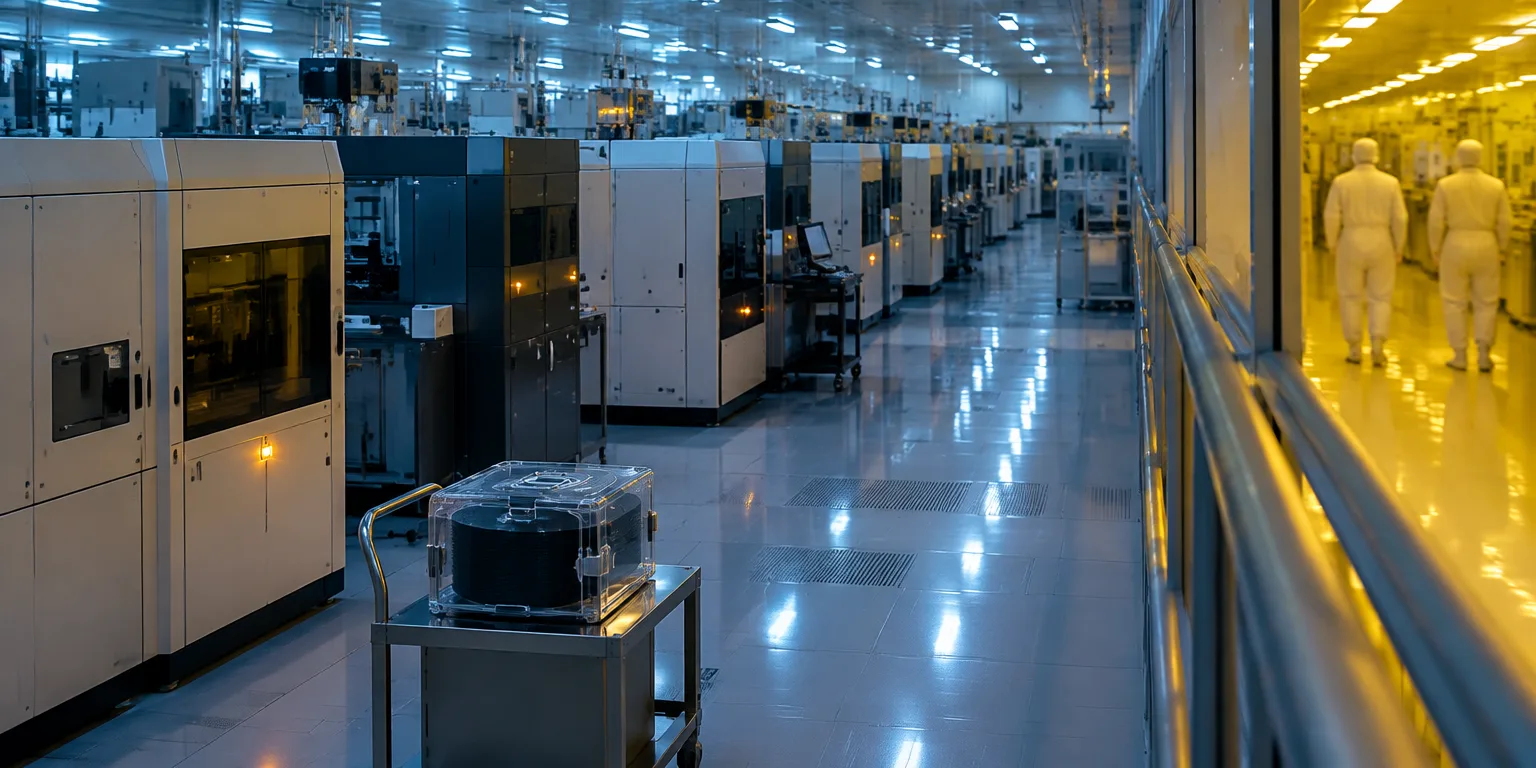
Taiwan makes most of the world's most advanced chips, and chip factories cannot simply switch back on. Once a fab, the ultraclean factory where chips are etched onto silicon wafers, shuts down, it takes 90 days to restart.
Gelsinger said the economic shock of such a blackout would be greater than the Great Depression, without a shot being fired. He also said China has blockaded the Taiwan Strait seven times in four years. Separately, he said the world needs more resilient chip supply chains.
Questions people ask
Why does Taiwan have so little stored energy?
Taiwan has almost no domestic oil, gas, or coal, so it imports nearly all of its energy, mostly as liquefied natural gas, coal, and oil shipped by sea. That leaves only weeks of stockpiles on hand if shipments stop. Taiwan shut its last nuclear reactor in May 2025, so nuclear power no longer adds to the supply.
Why would a chip factory take 90 days to restart?
A fab must hold extremely steady temperature, humidity, vacuum pressure, and air purity to print circuits narrower than a virus. Losing power ruins wafers in process, destabilizes sensitive tools, and can contaminate clean rooms. Crews must then clean, recalibrate, and requalify every step before good chips come out again.
Is anyone building advanced chips outside Taiwan?
Yes, though Taiwan still dominates the leading edge through TSMC, the contract manufacturer that builds chips designed by Apple, Nvidia, and others. TSMC is building fabs in Arizona, Japan, and Germany, while Intel and Samsung are expanding in the United States. Gelsinger said the U.S. share of leading-edge output rose from about 12% to about 18%, adding that it is not 50% and there is a long way to go.