Taiwan Stopped Trying to Outgun China and Learned to Sting
Since 2017, it has spread its firepower across scores of small, cheap weapons that are hard to wipe out before they sting.
 Wendover Productions · How Taiwan is Preparing to Get Invaded
In 2017, Taiwan's defense planners made a blunt admission. After years of trying to keep pace with Beijing, they concluded that Taiwan had no realistic chance of keeping up with Chinese military strength in a direct contest.
The People's Liberation Army, China's military, had simply built up an overwhelming edge in troops, warplanes, missiles, and drones. So Taiwan made that concession its formal doctrine. It would no longer try to outgun China. It would become a porcupine.
The porcupine strategy, as Taiwan defines it, does not aim to defeat an invasion by overpowering it. It aims to make an invasion so costly that Beijing decides not to try. That means pursuing weapons that are less capable, but also far less expensive, so each defense dollar stretches further and buys more chances to destroy costly Chinese equipment at a tiny share of the price.
The navy offers the clearest example of what Taiwan means. Before the shift, Taiwan had spent $732 million on four highly capable former American destroyers. In a war, Taiwan argues, those four ships would quickly become leading targets for Chinese air and missile strikes.
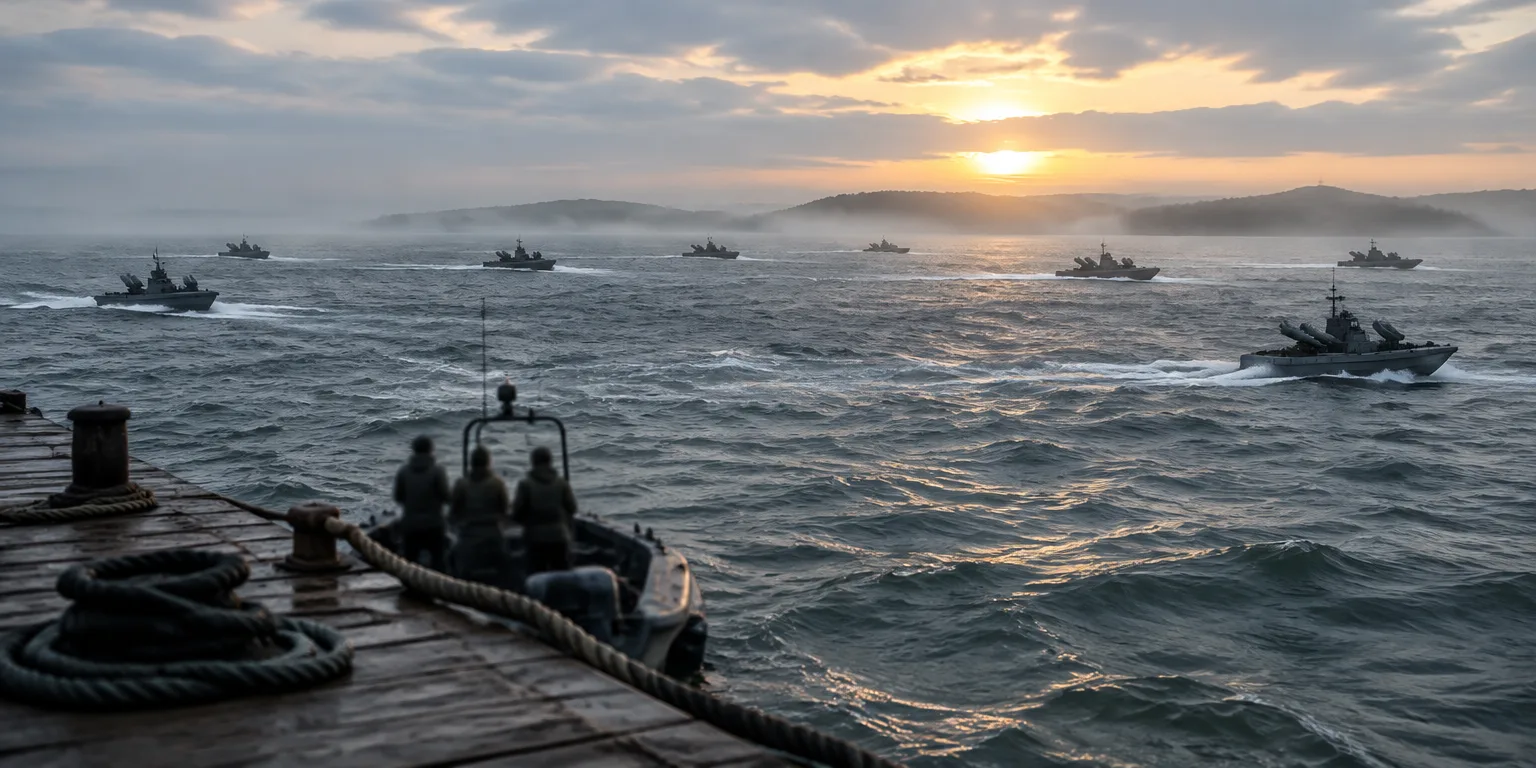
So Taiwan spread that firepower out. It equipped 42 far smaller vessels with four missiles each. Each small boat is easier to find and sink than a destroyer, Taiwan acknowledges. The bet is that there are too many of them for China to destroy them all before they fire.
Questions people ask
What does asymmetric warfare actually mean?
Asymmetric warfare means refusing to meet a stronger enemy on its own terms. Instead of matching tanks with tanks or large warships with large warships, the weaker side buys cheaper weapons designed to exploit the stronger side's vulnerabilities, like missiles that can sink expensive ships.
Why are 42 small boats better than four big destroyers?
A destroyer concentrates a lot of capability, and cost, in one hull. If China sinks it, Taiwan loses a large share of its striking power at once. Forty-two missile boats distribute the same offensive capability, so China must find, target, and hit dozens of moving targets to achieve the same effect.