Taking the Lecture Out of Class Makes School More Human
Students watch the lecture at home, then do the work together in class while the teacher helps.
 TED · Let's use video to reinvent education | Salman Khan
Salman Khan, the former hedge fund analyst who began posting math lessons on YouTube for his cousins, said he started getting letters from teachers who were using his videos in an unexpected way. They assigned his recorded lectures for homework, and used class time for what used to be homework.
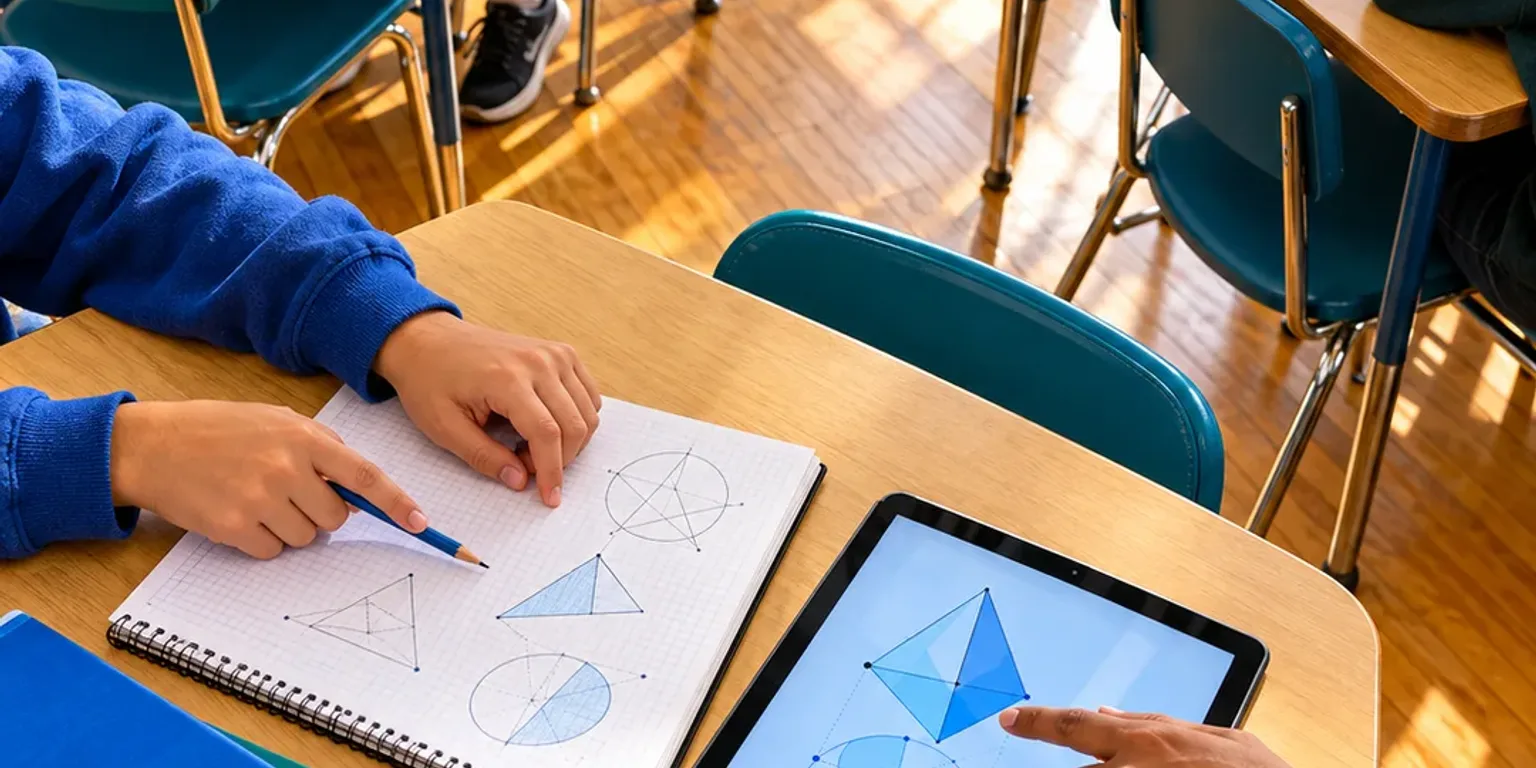
This is the point he wanted to stress: "by removing the one-size-fits-all lecture from the classroom, and letting students have a self-paced lecture at home, then when you go to the classroom, letting them do work, having the teacher walk around, having the peers actually be able to interact with each other, these teachers have used technology to humanize the classroom."
His meaning was practical. At home, students could pause and repeat a lesson at their own pace, in the way his cousins had liked. In class, they could do problems while the teacher walked around, and classmates could actually talk to one another.
In his telling, that reverses the usual picture of school. He described the old model as "30 kids with their fingers on their lips, not allowed to interact with each other," while even a good teacher had to deliver the same lecture to what he called "blank faces, slightly antagonistic."
He put the difference in terms of time. In a traditional class, "maybe five percent of their time is sitting next to students and working with them," with the rest going to lecturing and grading and whatnot. Khan said that would mean 100 percent of that time could go to working with students, "humanizing the classroom," in his words, "by a factor of five or 10."
Questions people ask
What does a flipped classroom actually look like day to day?
The model is often called the flipped classroom. The teacher assigns a short video lesson to watch at home, then class time is used for practice, questions, and group work, so confusion gets handled when help is nearby.
If the teacher is not lecturing, what is the teacher doing?
He means one-on-one or small group help, answering questions, catching stuck students, and pairing a student who understands with one who does not. The point is that the teacher is coaching during class rather than performing from the front.
What about students who do not have internet at home?
It can be a hurdle, and schools have tried workarounds such as watching in the library, in computer labs, or on low-cost devices. Khan has also argued that the same self-paced videos can help adults returning to school and children who cannot attend during the day.