Tea, Coffee, and Chocolate Each Invented Caffeine on Their Own
Caffeine was so easy for plants to make, and so useful, that evolution stumbled on it again and again.
 vlogbrothers · Caffeine is Very, Very Strange...
Your coffee, tea, and hot chocolate share one ingredient but not one family history.
Tea, coffee, cacao, cola, guarana, yapon, and yerba mate all make caffeine, yet none of them inherited it from a shared ancestor that first figured it out. Yapon tea, the only caffeinated drink native to North America, is no close cousin to black tea, and black tea is no close cousin to coffee or to chocolate.
That repeat invention makes sense once you know how cheap caffeine is to make. It closely resembles compounds plants already work with, so a small shift can leave a plant making a little caffeine.
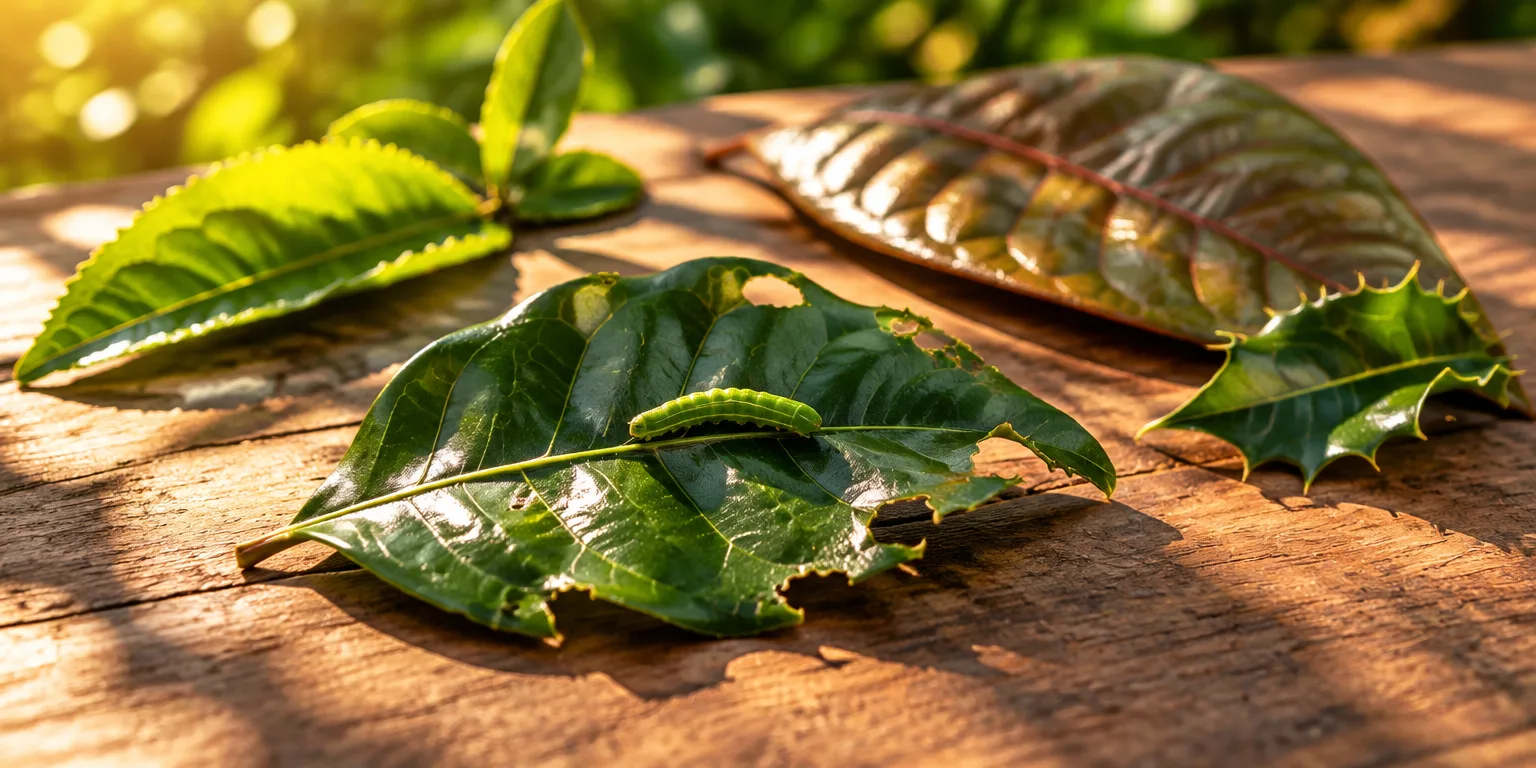
That little is usually enough. A plant that makes even a bit gets eaten less, giving it a large survival advantage. Caffeine has evolved many times, and probably more times than scientists have yet found.
Questions people ask
Does chocolate really have caffeine?
No. The main lift in chocolate comes from a related stimulant called theobromine. Cacao beans also contain caffeine, usually in small amounts, though some dark chocolates have enough to notice.
What is yapon tea?
It is a tea brewed from the leaves of a holly plant native to the southeastern United States. Native Americans drank it long before Europeans arrived, and it is the continent's only native caffeinated drink.
Why does making caffeine help a plant survive?
In plants, it works mainly as a pesticide. Insects that chew caffeinated leaves get a much larger dose for their body size than people do, and they are worse at breaking it down. Plants that made it survived being eaten, so the trait stuck.