Tea Was Already Being Farmed in China 6,000 Years Ago
Chinese legend says the mythical farmer Shennong found it after poisoning himself 72 times in one day.
 TED-Ed · The history of tea - Shunan Teng
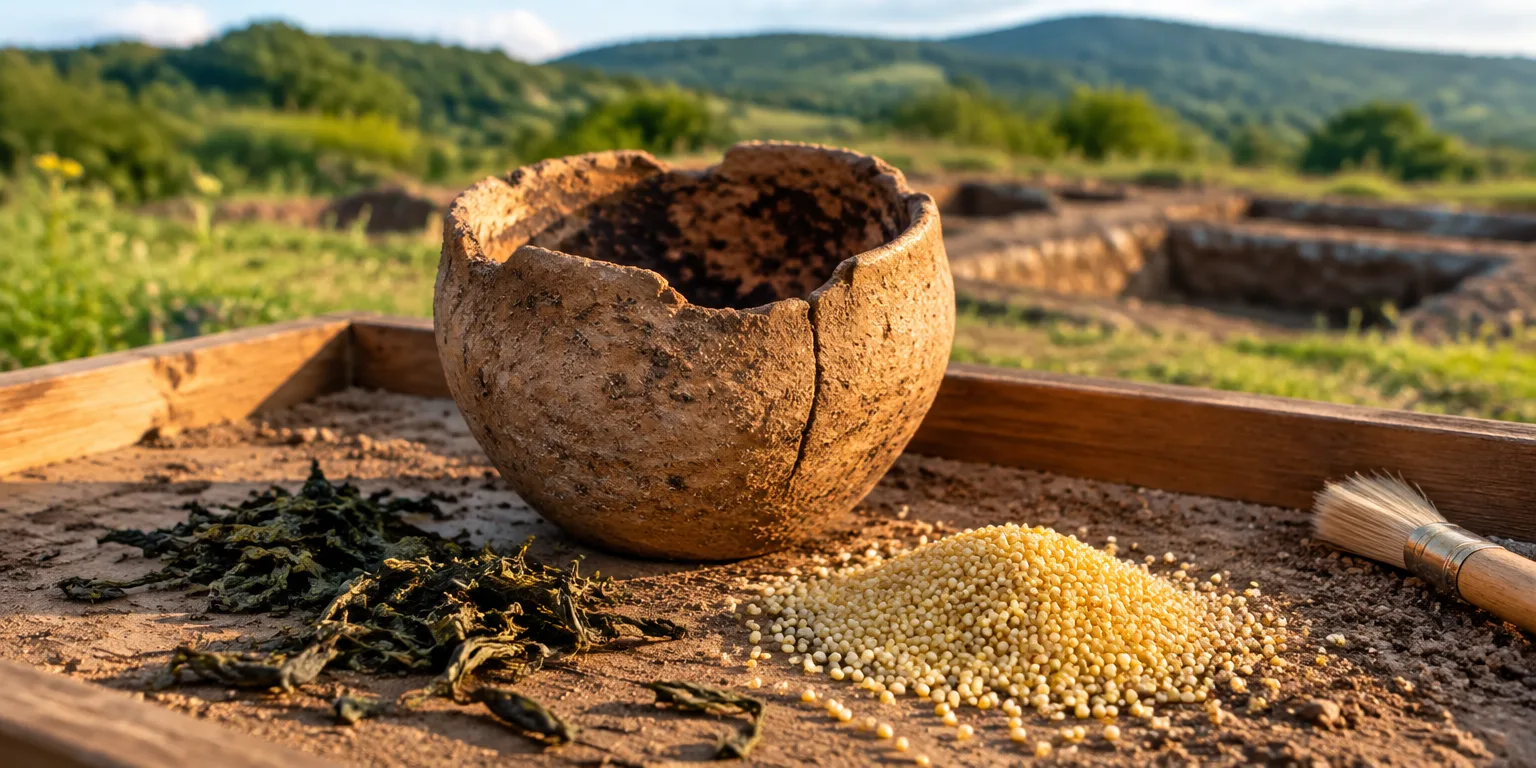
People in China were growing tea 6,000 years ago, about fifteen centuries before Egypt raised the Great Pyramids at Giza. Researchers base that age on ancient tea residues and plant remains from early Chinese burial sites. That early tea was not drunk like today. People ate the leaves as greens or simmered them with grain mush.
The Chinese told its origin as a legend. Shennong, the mythical inventor of agriculture, was wandering the woods looking for grains and herbs he could eat. During one long, weary day, he accidentally poisoned himself 72 times.
Before the poisons could kill him, a leaf landed in his mouth. He bit into it and revived, and that, the story goes, is how China discovered tea.
Tea does not actually cure poisoning. But the tale points to how much tea mattered in ancient China.
Questions people ask
When were the Great Pyramids built?
The Great Pyramids of Giza were built during Egypt's Old Kingdom, around 4,500 years ago. The largest, the Great Pyramid of Khufu, was completed around 2560 B.C. That puts first tea cultivation about 1,500 years earlier.
When did tea change from a food to a drink?
Tea made the shift about 1,500 years ago. People found that heat and moisture could draw a complex taste from the leaves. After centuries of experiment, the standard method became heating tea, packing it into cakes, grinding it into powder, and mixing it with hot water.