Teenagers hand over passwords to keep Snapchat streaks alive
The app counts consecutive days of messaging, and kids will photograph ceilings to keep the count going.
 TED · How a handful of tech companies control billions of minds every day | Tristan Harris
Snapchat keeps teenagers messaging by turning friendship into a number they are afraid to lose. The app, the most popular way for American teenagers to communicate with about 100 million users, has a feature called Snapstreaks that shows how many days in a row two people have sent each other photos. Once a teenager reaches 150 days, quitting feels like throwing something away.
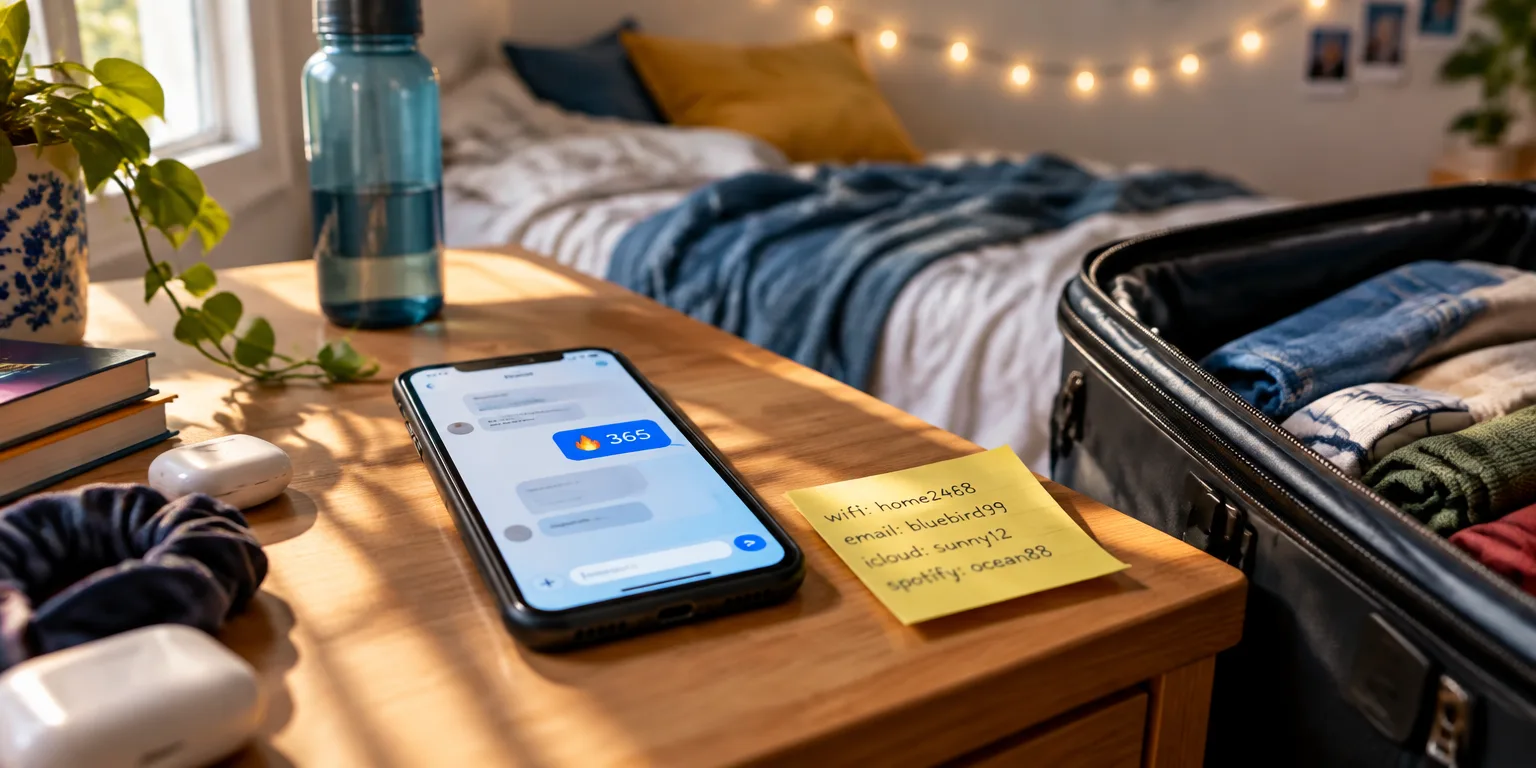
That fear schedules their days. Teenagers going on vacation hand their passwords to as many as five friends to keep the streaks alive while they are gone. Many juggle about 30 streaks at once, so they send photos of walls and ceilings just to check the daily box.
It is not conversation. It is maintenance, driven by the simple power of not wanting to lose.
Questions people ask
Why does losing a streak feel so bad?
It is loss aversion, the well-studied tendency to feel a loss more strongly than an equal gain. A streak turns ordinary chats into a score built over weeks or months, so skipping one day wipes out all that work. That makes keeping the number feel more urgent than enjoying the conversation.
Can you turn Snapstreaks off?
Snapchat does not offer a way to turn off Snapstreaks entirely, though users can hide the emoji symbols in settings. The only reliable way to end one is to stop sending daily snaps to that person. Some families set rules about not sharing passwords, since handing over login details creates security and privacy risks.