Tell Bad News Early, and Tell It Accurately
Robert Mueller learned one of the bombers had crossed the FBI before, and he took the finding to the White House in the middle of the night.
 The Oath with Chuck Rosenberg · Robert S. Mueller III: The Director (Part 2)
The identification issues in the Boston Marathon bombing investigation kept the team going long and late. After one suspect died, agents identified him through his fingerprints and discovered that the FBI had questioned him earlier in a separate inquiry. Put differently, the bureau had encountered him before.
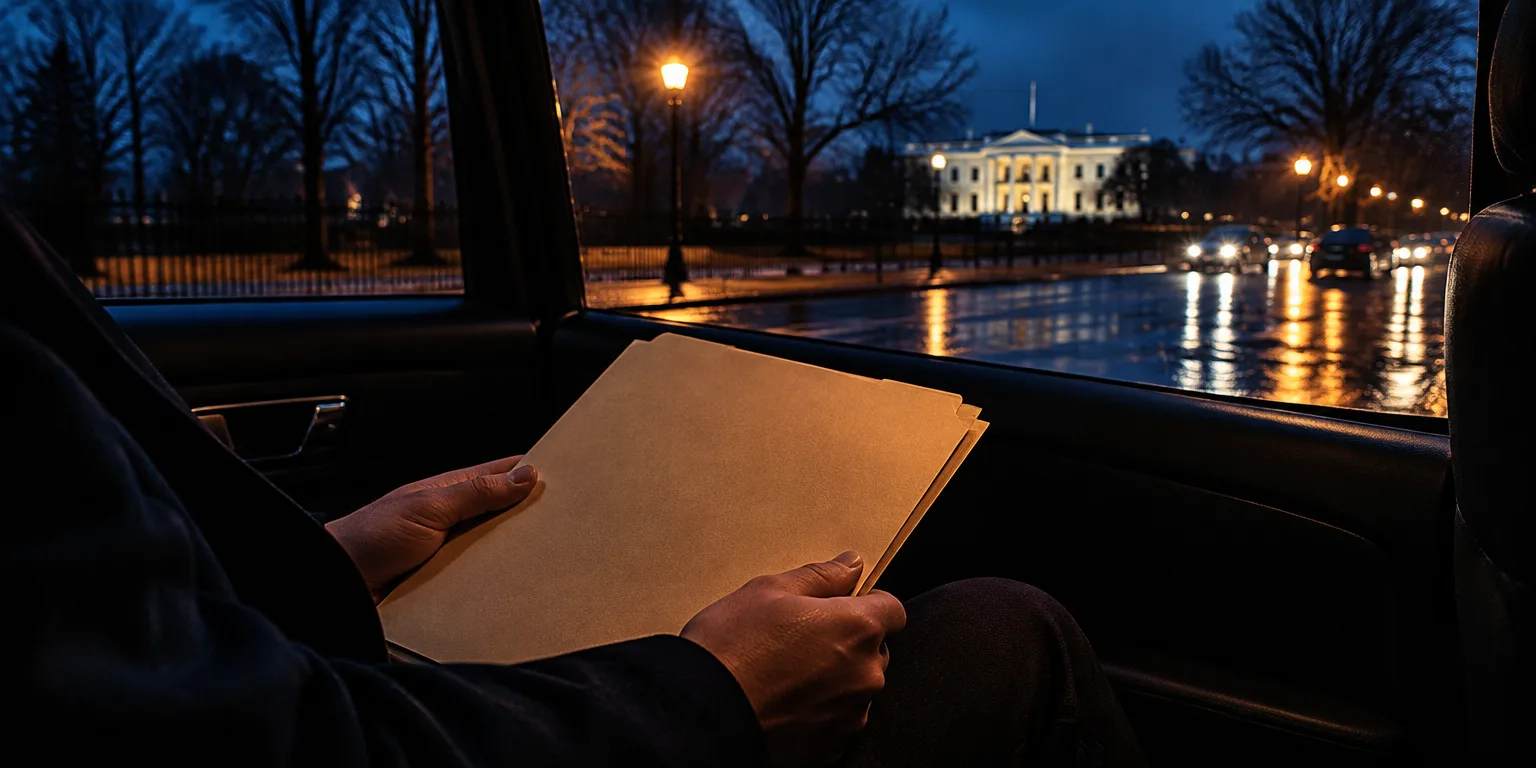
Robert S. Mueller III, then the FBI director, said one of the first things they were discussing "at 2 or 3 o'clock in the morning" was how to get that information to President Barack Obama. Mueller said the president "would definitely want to know at the earliest possible moment." Mueller said he "gathered the materials, such as they were," and went to the White House. Mueller said he "ended up first person, at least I think it was the first person, in the Oval Office briefing the president on this."
Referring to the news about the bomber's earlier contact with the FBI, Mueller said, "It has to be called bad news." Mueller says he feels "much better having disclosed the bad news as opposed to letting it languish."
The interviewer described Mueller's philosophy on bad news as "Tell it early, tell it accurately," and Mueller agreed, answering "Yes." Mueller also recognized the limit on disclosure beyond the White House, that he could not share with the public everything he had shared with the president.
Questions people ask
What happened in the Boston Marathon bombing?
Two brothers planted pressure cooker bombs near the finish line on April 15, 2013, killing three people and injuring more than 260. One brother was killed in a shootout with police days later, and the other was captured and later sentenced to death. The attack led to a massive FBI-led investigation centered in Boston.
What did it mean that the bomber had been on the FBI's radar?
The FBI had interviewed the older brother in 2011 at the request of the Russian government, which raised concerns about his radicalization, and found no grounds for further action. His name had been entered in federal screening databases, but investigators did not detect the later plot. The history became a major focus of congressional reviews after the bombing.
How does an FBI director brief a president during a crisis?
The FBI director typically briefs the president in person on major terrorism cases, often alongside intelligence and homeland security officials. In a fast-moving case, that can mean an overnight meeting with preliminary facts, followed by updates as agents verify more. The director also helps decide what can be shared publicly without harming the investigation.