Temperature swings off the Galapagos are 36% wider than before industry
The wider swings come mainly from stronger warm El Niños, and track the rise in global temperatures.
 Short Wave · 'Super' El Niño is coming. What should you expect?
The swings in ocean temperature around the Galapagos were 36% larger in the past four to five decades than they were before the industrial era.
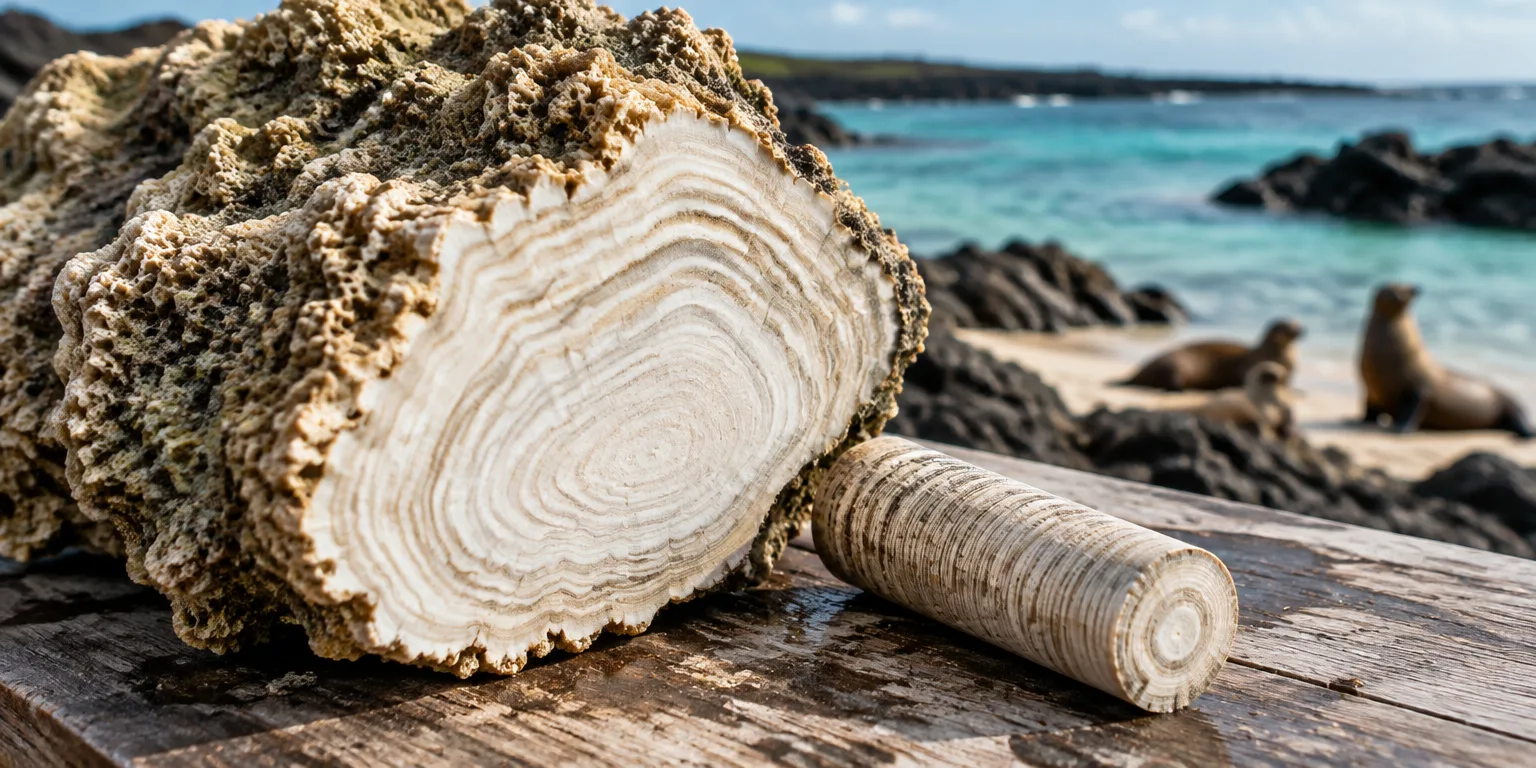
Climate scientist Julia Cole found the jump by studying the temperature history recorded in Galapagos corals. The wider range in recent decades came from stronger warm events, the El Niños, rather than from colder swings in the other direction.
When she plotted that growing variability against world temperatures, it paralleled the rise very strongly, forming the same hockey stick shape, a flat line that bends sharply upward. The period before industry looks clearly different from today.
Cole said she was surprised. Because El Niño naturally varies so much, she had expected to find at least a few earlier periods just as intense. Cole found no such periods in the corals.
Questions people ask
What is El Niño?
El Niño is a recurring warming of surface water in the eastern and central Pacific Ocean. It shifts rainfall, winds, and ocean temperatures around the world, and it alternates with a cooler phase called La Niña. Its biggest effects on ocean temperature show up in the eastern Pacific, near the Galapagos.
How can a coral record ocean temperature?
Long-lived mound corals grow layer by layer for decades or centuries. As they grow, the chemistry of their skeletons changes with the temperature of the surrounding water. By drilling a core and analyzing it millimeter by millimeter, scientists can read a nearly monthly history of warmth and coolness.
What do scientists mean by a hockey stick?
It is a chart that stays fairly flat for a long time and then curves sharply upward at the end, like the blade of a hockey stick. Scientists often use it to describe global temperatures, which varied relatively little for centuries before rising rapidly with industrialization. In this case, El Niño variability follows that same shape.