Ten Minutes With Gorbachev Became a Story About His Father
Faced with six usable minutes, Esquire interviewer Cal Fussman skipped world affairs and unlocked a childhood memory of ice cream and war.
 Joys of Compounding · Cal Fussman - Compounding Human Connections - [Art of Investing, EP.8]
Cal Fussman was sitting in a hotel lobby in New Orleans in February 2008, waiting to meet Mikhail Gorbachev, the former leader of the Soviet Union. Gorbachev was in New Orleans for an event on eliminating nuclear arms. Fussman, a longtime interviewer for Esquire magazine, had an hour and a half booked to gather material for the magazine's "What I've Learned" column.
Then his phone rang. It was the publicist. Many important visitors had been added to Gorbachev's schedule, she said, and Fussman's time was cut to 10 minutes. He asked if he wanted the time or not, and he took it.
The math was brutal, and it is the reason the next few minutes matter. The column runs in the subject's own words, and the words have to be wise enough to stand on their own. Fussman figured handshakes, pleasantries, and sitting down would take two minutes, and translating questions into Russian and answers into English would take two more. Before anyone had said anything useful, a 10 minute interview was down to about six.
When Fussman was escorted into the conference room, he could see Gorbachev waiting for the expected first question about nuclear weapons, or Ronald Reagan, or world events. Fussman met his gaze and asked something else entirely: "what's the best lesson your father taught you?"
Gorbachev went quiet. He looked up and searched, as if he were watching a movie of his childhood play out on the ceiling. Then he began describing a day from when he was a boy living on a farm, when his father had to leave to serve in the war. He described the trip from the family farm to the town where the family went to see his father off with the other new soldiers, a trip Fussman had never come across in all his research.
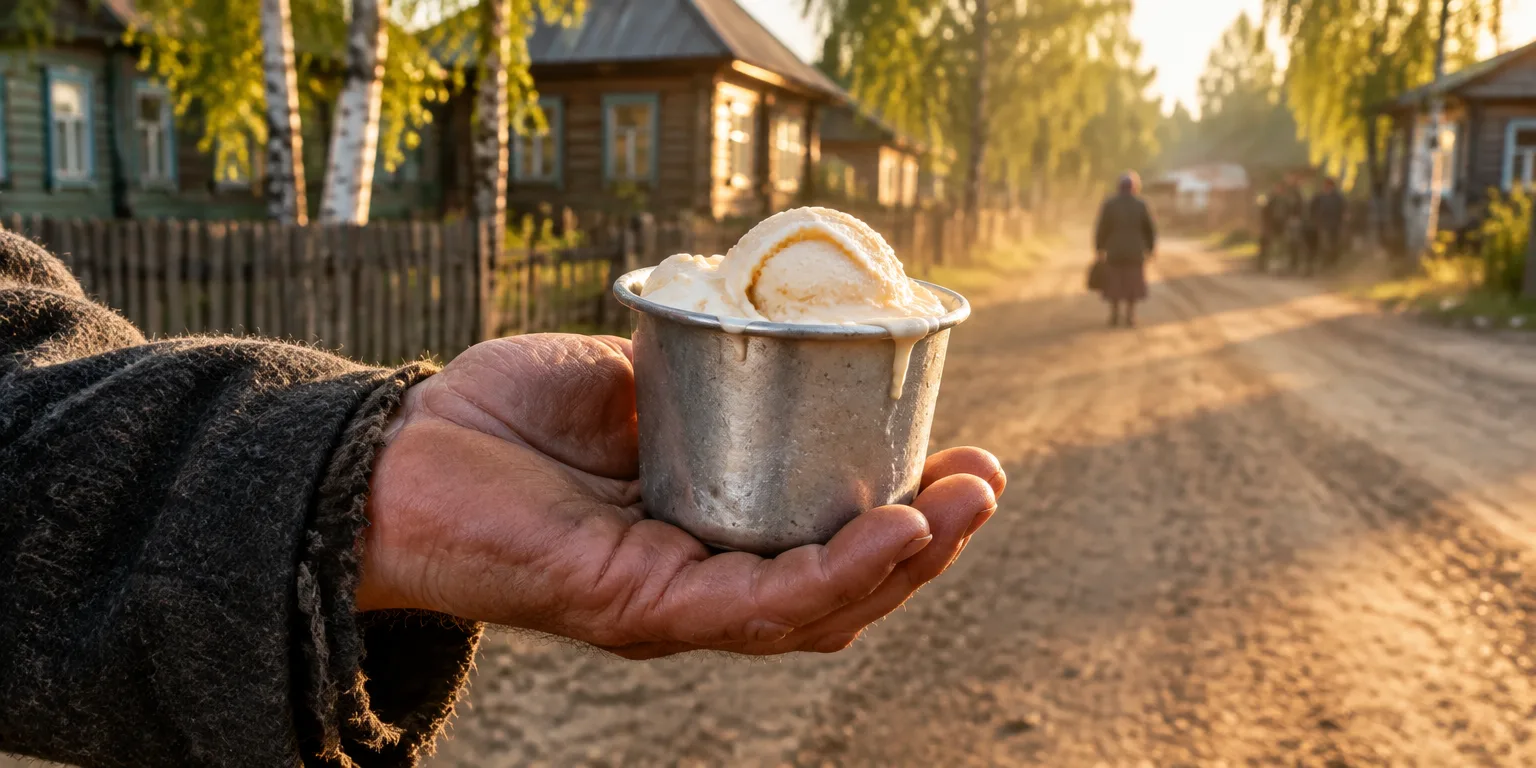
When they reached the town, his father bought him ice cream. Gorbachev remembered the aluminum cup it was served in, and talked about that ice cream as if he were holding it in his palm. As he talked, both men seemed to arrive at the same realization. Inside that memory was the dread of a boy who did not know if he would ever see his father again, and inside that dread was the seed of the peacemaking that later let Gorbachev work with Reagan and help end the Cold War.
Just then came a knock. The publicist said time was up. Gorbachev looked at her, at the interpreter, and at Fussman and said, "no, no, no, I want to talk to him." The same thing happened 10 minutes later, and then again 10 minutes after that, when the publicist returned in a full panic to say the day had been planned to the second, a long line of people was waiting, and the mayor was outside. Gorbachev just gave Fussman a shrug and a grin that said, what can I do. The interview ended, and Fussman had more than enough wisdom to fill the column.
Questions people ask
Who was Mikhail Gorbachev and why did he matter?
Gorbachev led the Soviet Union from 1985 to 1991. He introduced policies of openness and restructuring, negotiated arms reductions with President Ronald Reagan, and is widely credited with helping to end the Cold War, for which he won the Nobel Peace Prize in 1990.
What is Esquire's What I've Learned column?
It is a long running question and answer feature in which a notable person speaks in the first person about lessons from a life. Fussman wrote many installments, and the format requires unusually tight, quotable wisdom, which is why losing an hour of interview time was so frightening for him.
Why was Gorbachev speaking about abolishing nuclear weapons in 2008?
After leaving office, Gorbachev became an advocate for nuclear disarmament through his foundation and international appearances. By 2008, the United States and Russia still held thousands of nuclear warheads, and he was warning that the progress he and Reagan made was unraveling.