Test audiences gave Seinfeld poor scores and NBC aired the pilot on July 5
NBC aired the flop on July 5, 1989, then two executives canceled a Bob Hope special to pay for more.
 Acquired · Seinfeld
The test started with cold calls.
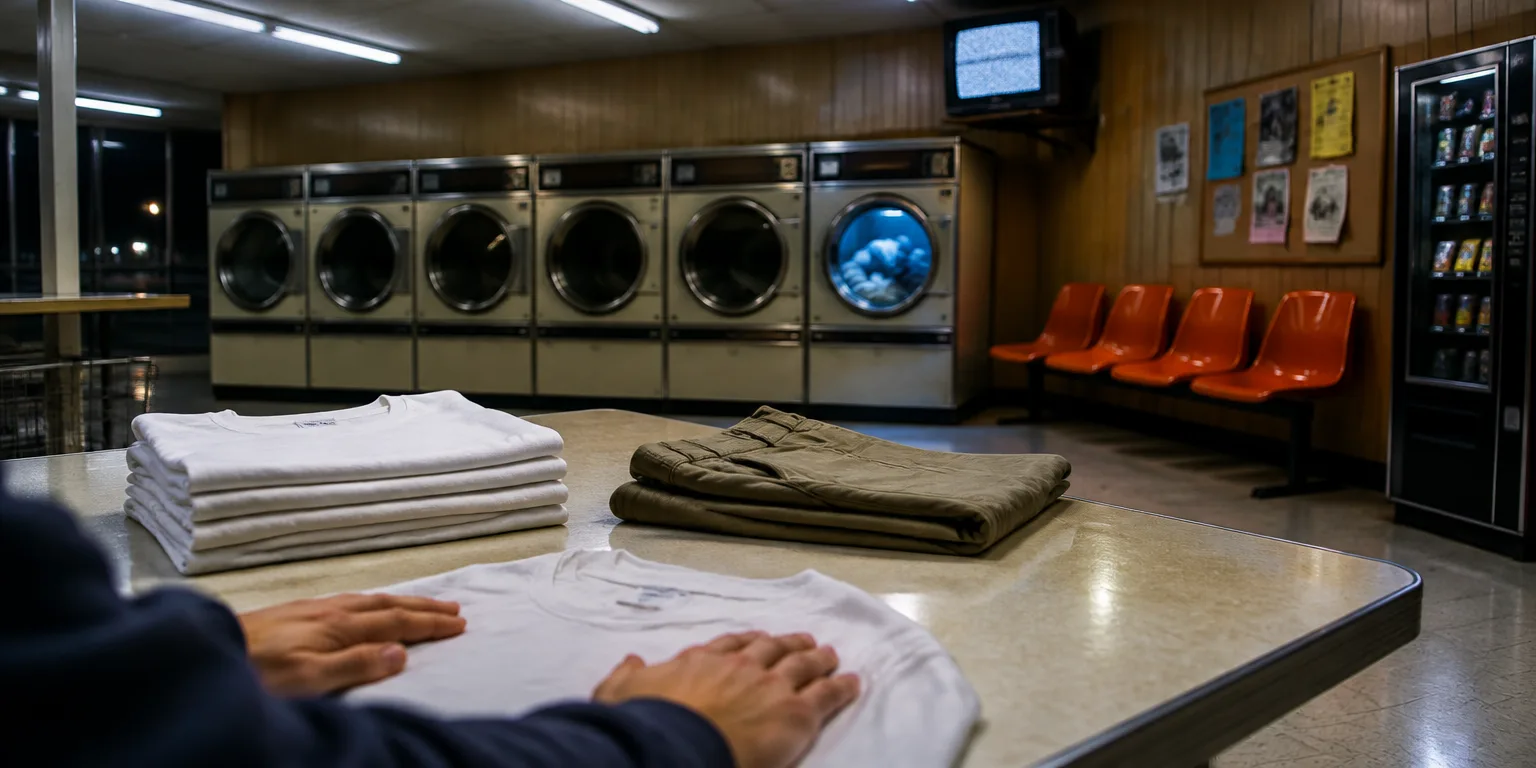
NBC researchers rang up homes and recruited 400 households to watch an empty cable channel at a set time. When the pilot flickered on, there was nothing else to watch, just one strange half hour about a stand up comedian and his friend folding clothes and arguing about a girl visiting town.
The verdict was brutal. The testing method was standard for NBC at the time, a way to survey ordinary viewers before committing to a series. In its memo, NBC's research department wrote, "No segment of the audience was eager to watch the show again, and the overall pilot performance was rated as weak."
This is the story of how Seinfeld nearly ended with that pilot, and how two men inside NBC kept it alive by using money from another special to pay for more episodes.
The written comments became legend. "You can't get too excited about going to the laundromat," one viewer wrote. Much of the episode unfolds in a laundromat, where Jerry Seinfeld, a successful touring stand up comedian, and his writing partner Larry David, a former sketch writer, have their characters overanalyze whether a hug at the airport means something. Other viewers wrote that Jerry's loser friend George isn't a forceful character, that Jerry needed a stronger supporting cast, and one test viewer asked, "Why are they interrupting the stand-up for these stupid stories?" The research department recommended NBC stick with Jerry only as a stand-up act, and demand stronger material.
The creators went years without seeing that memo. Once it finally reached them, they pinned it up inside the set bathroom for laughs.
NBC aired the pilot on July 5, 1989, when few Americans watch television. It was the slot where networks quietly dispose of pilots they do not believe in. That fall, NBC passed on the show and picked up two other sitcoms instead, The Nut House and Sister Kate. For almost any other show, that rejection would have been final.
It was not the end because Warren Littlefield, an executive in NBC's primetime department, and Rick Ludwin, an executive in the late night and specials department, thought the pilot was simply funny. Most people worried the humor felt too local and too ethnic for a national audience, but the two men wanted to stay in business with Jerry.
They had no season budget to offer. So they canceled a planned two hour special starring Bob Hope, the veteran comedian and television star, and used that money to order more Seinfeld. When they called Jerry with the good news, the order was for four episodes, a first-season pickup smaller than any recalled on television.
Jerry Seinfeld asked, "Has any show in the history of television ever succeeded with just four episodes?" Littlefield said he did not know. In the background, Larry David reacted, "I think four episodes is all I got in me anyway."
Questions people ask
How did TV testing work in 1989?
Networks tested pilots by cold calling homes and asking about 400 households to tune to an unused cable channel at a specific time. Researchers then called them back with a standard questionnaire about characters, stories, and whether they would watch again. It was cheap, fast, and often killed unusual shows.
Why was airing on July 5th a bad sign?
July 5, 1989 was a Wednesday, right after Independence Day, one of the lowest television viewing stretches of the year in the United States because people travel and go outside. Networks often use it to air episodes or pilots they have already given up on, with little promotion and little risk.
Who were Warren Littlefield and Rick Ludwin?
Warren Littlefield ran NBC primetime and later became president of entertainment, while Rick Ludwin worked in late night and specials, the department that had originally commissioned Jerry Seinfeld. Both were longtime supporters who argued the show was simply funny despite bad research. Their backing protected the show for several seasons.
Why was a four episode order so unusual?
A traditional network season was 22 to 24 episodes, with even a risky midseason pickup usually at 13 episodes. Jerry Seinfeld openly doubted any show had ever survived on so few.