The 10,000-steps goal began as a sales hook, Sisson says.
A health advocate says office workers can start with 4,000 steps, because the benefit is movement, not calorie burning.
 The Minimalists · 555 | Born to Walk
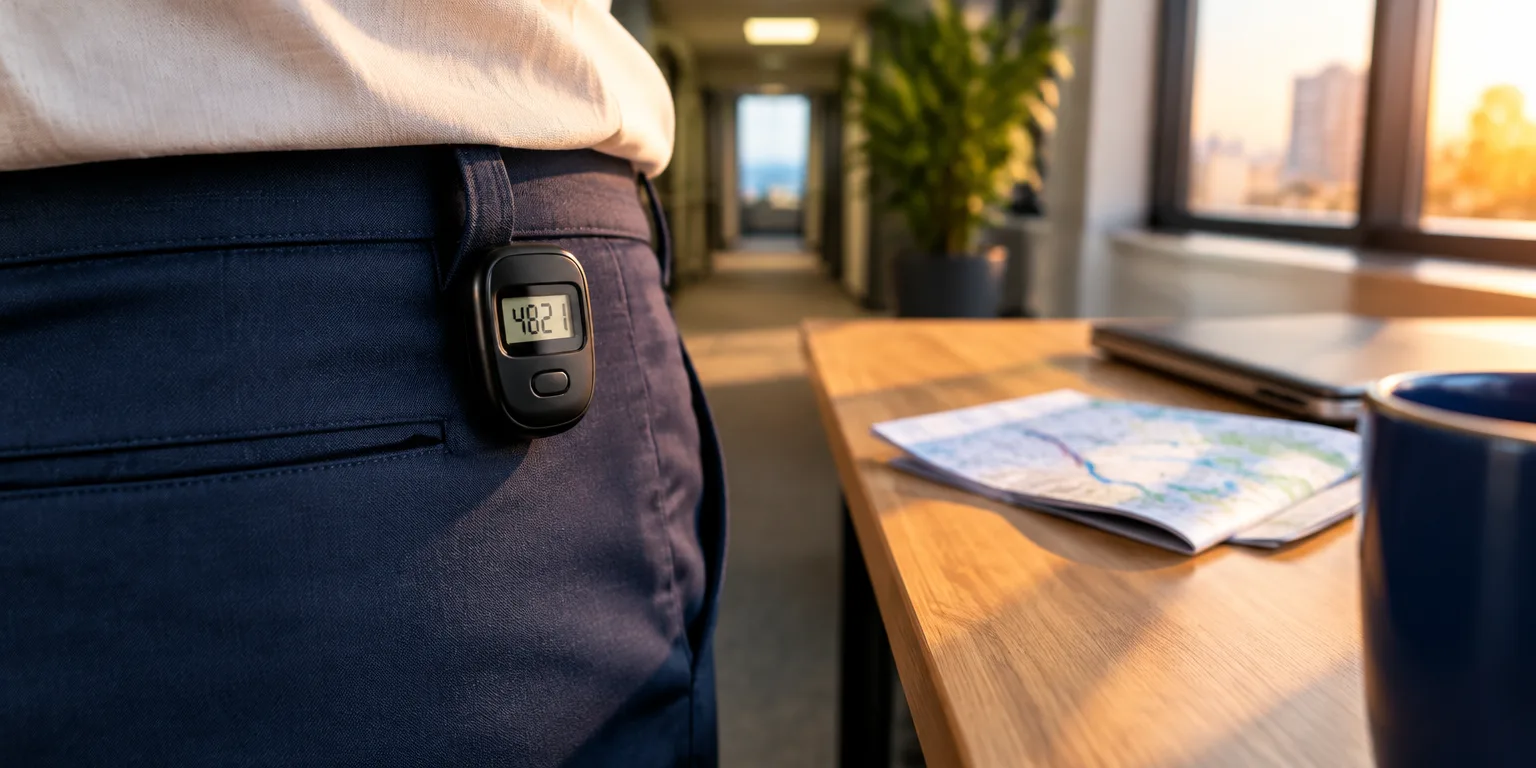
The 10,000-steps-a-day goal began as a way to sell pedometers, according to Mark Sisson.
Sisson, 73, a health advocate introduced as a founder of the ancestral health movement and founder of Primal Kitchen and Palova, says the number came from a Japanese company behind one of the first pedometers. To sell the device, Sisson says, the company "had to give people a reason to use it" and a number to accumulate on it.
It is a lot of walking. Sisson says 10,000 steps is about five miles for him in a day.
For someone stuck in an office without a nearby trail, he suggests starting with 4,000 steps a day, which adds up over a week. His point is not the calories burned but the movement itself, "putting your body through different ranges of motion."
Questions people ask
Is walking 10,000 steps bad for me?
No. For most healthy adults, 10,000 steps is fine if you build up to it gradually and have no injury. The issue is that people treat it as a pass or fail test, then feel guilty when work or weather makes it impossible.
How many steps should I actually aim for?
Research generally finds big gains going from very little walking to around 4,000 to 8,000 daily steps, with benefits leveling off after that for many adults. Consistency, pace, hills, and breaking up sitting time matter more than hitting one exact number.
Does walking really count as exercise?
Yes, especially brisk walking that raises your breathing while still letting you talk. It supports heart health, blood sugar control, mood, sleep, and joints.