The AI Boom Burned Through Cash and Debt and Is Now After Pension Money
Tech companies spent their cash, borrowed heavily, and are now selling stock and reaching for retirement savings, with profits as the hoped-for way back.
 Invest Like the Best with Patrick O'Shaughnessy · Ben Thompson on Big Tech, China, and the AI Boom Running Out of Money - [Invest Like the Best, EP.487]
The most urgent shortage in artificial intelligence may not be chips or electricity. It may be money itself, says Ben Thompson, a close watcher of big technology companies.
The financing has moved down what he calls the capital curve. At first, the big tech companies paid for data centers and chips out of free cash flow, the cash left over after paying the bills. Then they borrowed, and Thompson says the speed with which they blew through the debt markets was incredible, in about a year. Now Google is selling new shares of its own stock, and chipmaker Nvidia is assembling a vehicle of about $500 billion aimed at pension funds and the pools of cash held by insurers.
That order matters because each step reaches further from the industry's own profits. Borrowing has to be repaid. Selling stock, called issuing equity, dilutes existing owners and gives away future gains. Thompson called Google's move shocking, asking why it would issue equity and reduce its upside if it believes so strongly in AI. The hope, he says, is that the business flips back to paying for itself out of free cash flow before the outside money runs out.
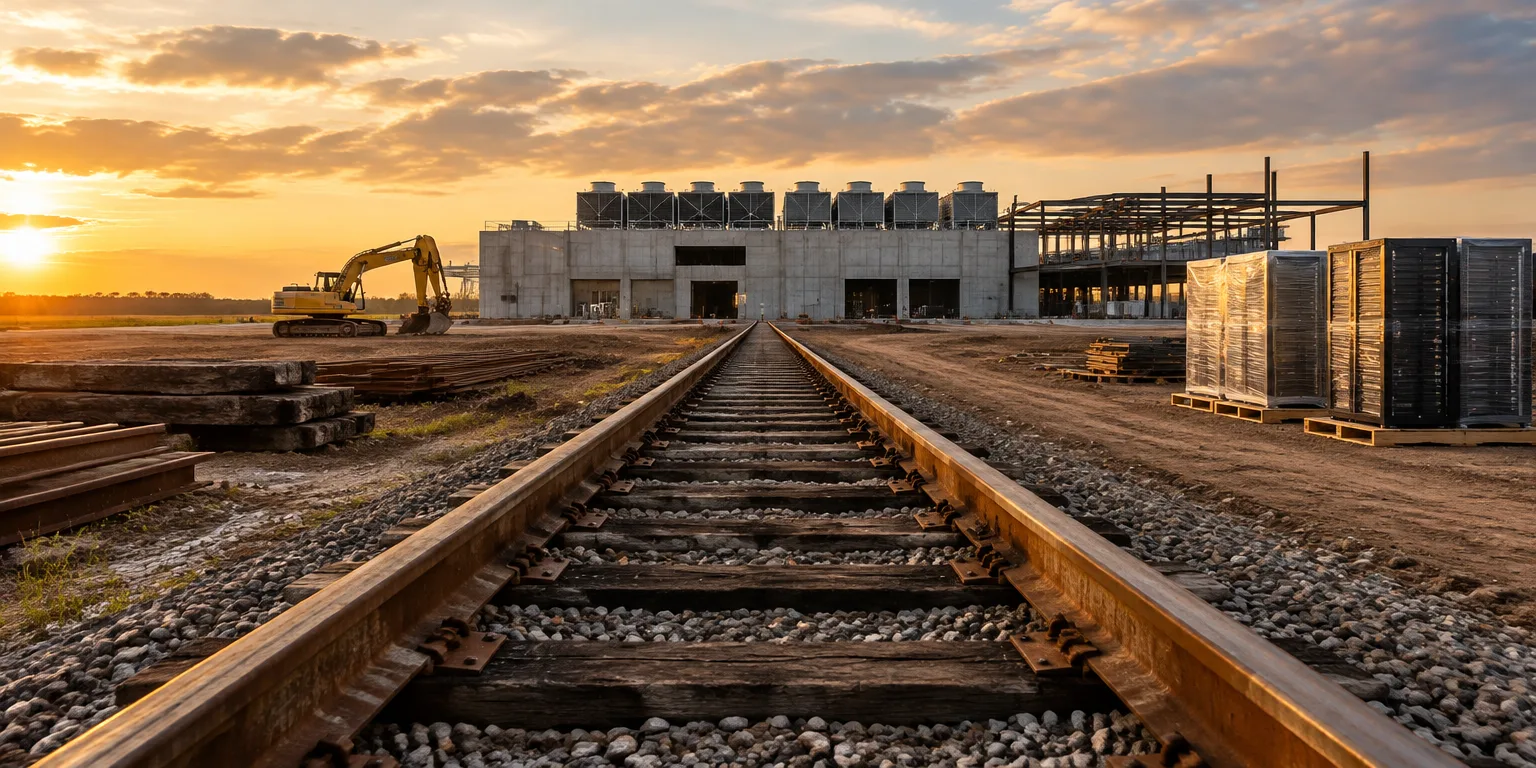
His warning comes from the railroads. Building a railroad took a decade or more to pay off, but the money to lay the track had to be raised in the short term. In the 1870s, he says, "the world just ran out of money."
Even a financial blowup would not end the technology. Thompson notes that the railroads kept operating, expanded the West, and in his words their contribution to economic growth was "astronomical," and they are still contributing today.
In his telling, that old railroad money, now held by Berkshire Hathaway, which owns the BNSF railway, is literally going into Google today.
Questions people ask
What is free cash flow?
Free cash flow is the cash a company has left after paying its operating costs and for buildings and equipment. It is the cheapest way to fund expansion because it requires no borrowing and no new investors. When it is not enough, companies must turn to outsiders.
Why is Google selling stock such a big signal?
Issuing equity means creating and selling new shares of stock for cash. The company gets money without taking on debt, but each existing share then owns a smaller piece of the company. Investors usually read it as a sign that easier money has run out.
What happened to railroads in the 1870s?
In the 1870s, American railroads borrowed heavily in the United States and Europe to lay thousands of miles of track ahead of demand. When investors stopped providing new funds, many railroads failed in the Panic of 1873. Yet much of the track remained and was eventually used to carry the freight of an expanding economy.