The AI Boom Is Waiting on Mirrors
One German supplier's mirrors set the pace for chip machines, and the full bill runs far beyond the computers themselves.
 Dwarkesh Podcast · Dylan Patel – Anthropic & OpenAI will have most of the world’s compute by 2028
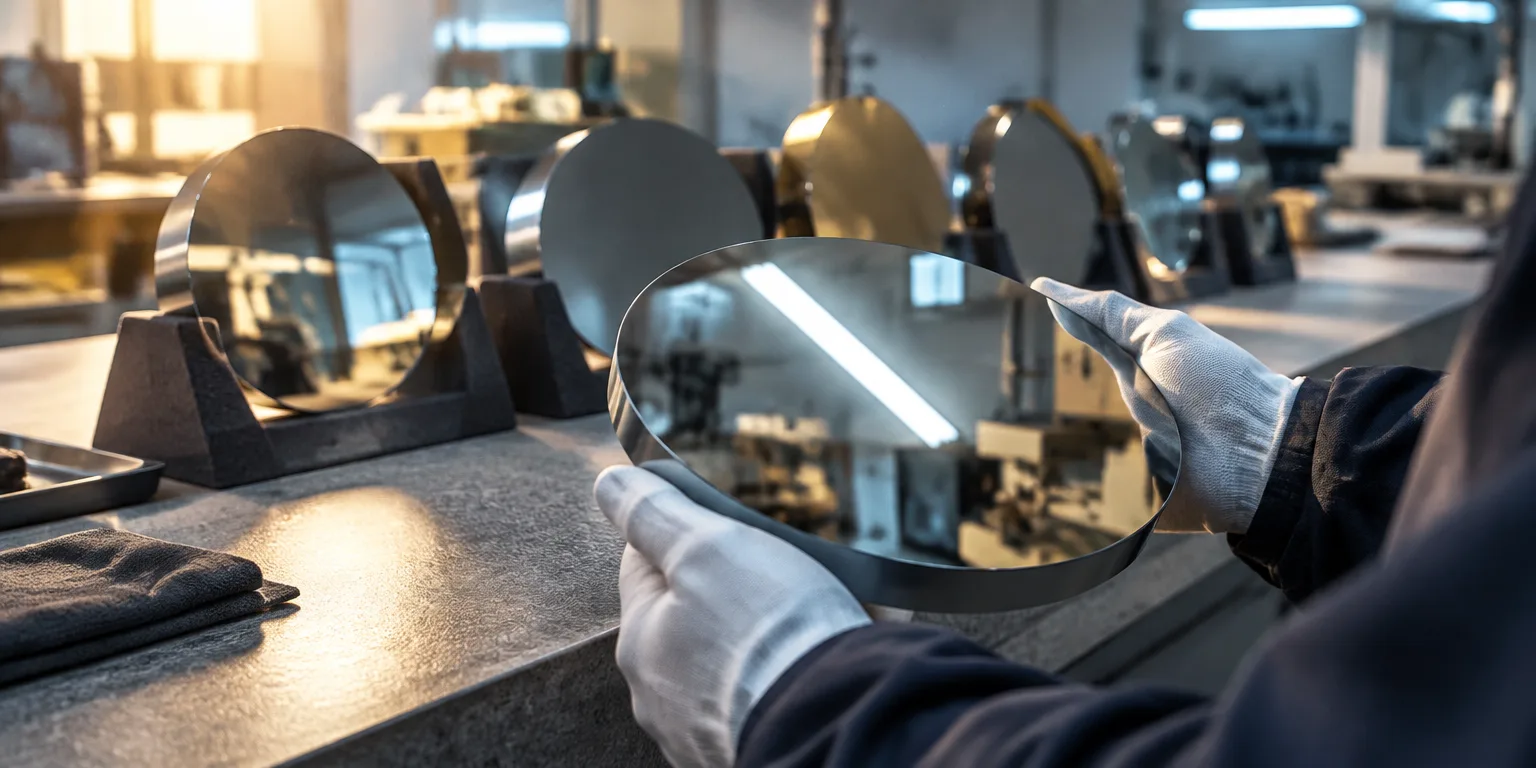
One of the biggest limits on the machines that make the most advanced AI chips is how fast one factory can polish mirrors.
To make those chips, chipmakers need a machine called an extreme ultraviolet tool, built by the Dutch company ASML. Inside each tool, light bounces off a set of extraordinarily smooth mirrors to print tiny circuits onto silicon. Those mirrors come from one German supplier, Carl Zeiss.
The payoff for making more of everything looks enormous, at least on one rough estimate. Dwarkesh Patel offered a rough estimate, based on a model run by an artificial intelligence program, that about 6 billion dollars of chip factory spending can produce a gigawatt of computing capacity every year, and that each gigawatt can generate about 100 billion dollars in AI revenue every year. Over five years of factory output, he said, that turns 6 billion dollars into more than a trillion dollars, or roughly a 100 to 1 gap even after giving half the value to middlemen. Dylan Patel, an analyst who tracks the chip industry, cautioned that there is substantial operating cost and other building cost along the way, but agreed the return is huge.
Dylan Patel said the supply chain reacts slowly to that incentive, in what he called a whip effect. Earlier this year, Zeiss did not think it needed to make enough mirrors for 100 of those tools a year. Now it says it must reach that level by 2030. Dylan Patel said about 100 ASML tools for 2030 is roughly the pace the supply chain is now planning for.
Dylan Patel said giving Zeiss 10 billion dollars to expand would change things, but only if all the other suppliers expanded alongside it. He added that he does not expect that kind of full push this year, next year, or the following year, since capital is scarce worldwide.
The bill is also larger than headline AI numbers suggest. In Dwarkesh Patel's hypothetical of adding 100 gigawatts in a year, the cost at current prices would be about 5 trillion dollars. Dylan Patel raises that figure to closer to 7 trillion to 10 trillion dollars, because power plants and data centers must be built years before the computers arrive. Power plants are 30-year assets, and data centers last 15 to 20 years. Dylan Patel said the widely quoted 40 billion to 50 billion dollar figures refer only to what he called critical IT, the servers, networking, fiber, and related gear, not the building or the power plant.
In Dylan Patel's account, that is why cash still binds. Dylan Patel said the labs will generate hundreds of billions of dollars in revenue next year, but total capital spending across the whole chain will be well north of 2 trillion dollars, so their cash flows cannot yet fund the buildout. In Dwarkesh Patel's hypothetical, the labs would want a trillion dollars of new computing right now but remain, in his words, "bottlenecked on the mirrors that go into" ASML machines. They still have to wait for Zeiss.
Questions people ask
What is an EUV tool and why does it need such special mirrors?
An extreme ultraviolet tool uses light with a very short wavelength to draw extremely small features on a silicon wafer. ASML in the Netherlands is the only company that makes these machines, and each one contains multiple mirrors polished to near atomic perfection.
How much power is a gigawatt of AI compute?
A gigawatt is a billion watts, enough to power roughly 750,000 to one million American homes. In AI, it is used as shorthand for the electricity needed to run a very large data center filled with AI chips.
If Zeiss made more mirrors, would chip supply expand immediately?
No. ASML tools also require light sources, precision systems, and advanced electronics from other suppliers. Expanding mirror output helps, but turbines for power, memory chips, silicon wafers, and construction capacity can become the next binding constraint.