The Best Robots for Real Work Won't Look Human
For homes, a human shape makes sense. For industry, scale favors machines built for one job, from breakfast to gold mines.
 David Senra · Travis Kalanick, Founder of Uber & Atoms
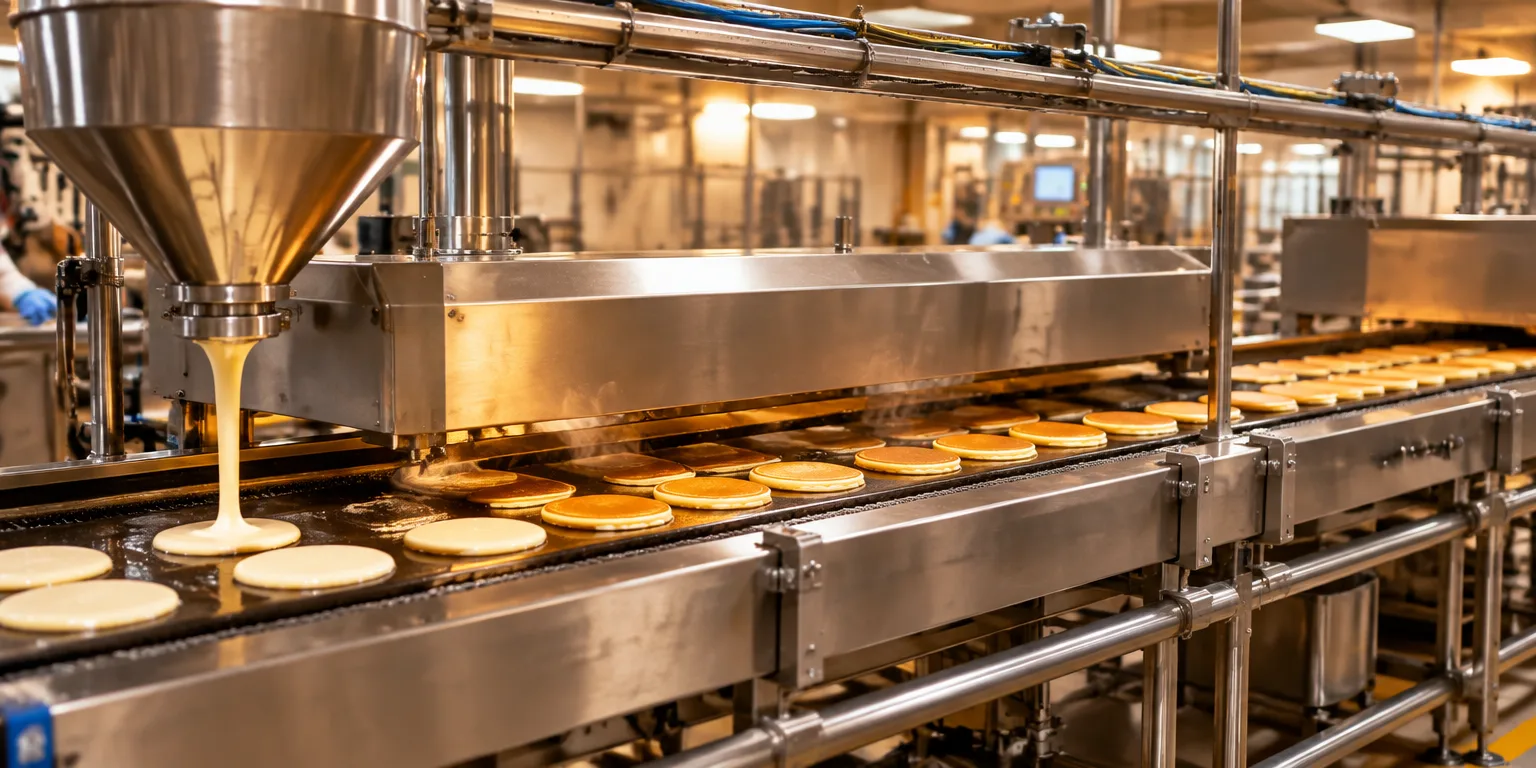
If you want a thousand pancakes an hour, do not build a robot that looks like a cook. Build a hot iron box that batter flows into and cooked pancakes flow out of.
That is the test Travis Kalanick, the founder of Uber who now runs a robotics company called Atoms, uses to explain why the most useful robots will not look human. Atoms aims to use physical automation to transform industries, but it does so one industry at a time with machines designed for one job.
A humanoid making pancakes would work the way a person works, flipping one at a time. To reach a thousand an hour, Kalanick says, you might need 100 humanoids standing in a row. A specialized machine does it differently. The metal is already hot, the batter is pushed in, and the device can push out perhaps 100 pancakes every few minutes. No arms, no legs, and no wasted motion.
Humanoids, in this view, still have a place, but it is narrow. They fit low volume jobs in places built for people. A house is the clearest example. There, a robot might need to fold clothes, take out the trash, and wash dishes. No single chore is large enough to justify a machine costing tens of thousands of dollars, so generality is the point and a human shape makes sense.
Scale reverses the logic. In mining, where Atoms is now focused, Kalanick talks about “gainfully employed robots” rather than demonstration machines that dance, do martial arts, or run marathons. He points to autonomous mining machines that weigh more than 2 million pounds and are the size of a building. His pitch to a gold mine chief is 20 percent more gold per year, because automation lowers operating costs and recovers metal that would otherwise stay in the ground.
The rule is form follows volume. Where work is varied and occasional, build a human. Where work is heavy and endless, build the apparatus.
Questions people ask
Why not just use humanoids everywhere once they get good enough?
A humanoid can copy a person, but a specialized machine can redesign the work. A pancake line, a bottling plant, or a mining truck moves material continuously instead of repeating hand motions. That is why factories rarely look like people, even when robots run them.
When does a humanoid actually make sense?
When the workplace was built for human bodies and the tasks keep changing. Homes, hospitals, and offices have stairs, doorknobs, and clutter, plus many small jobs. A two-legged, two-armed machine can navigate that variety without rebuilding the building.
Are mining robots already working on their own?
Yes, in limited ways. Large mines already use autonomous haul trucks and drills that follow preset routes and are supervised remotely. Full autonomy is harder because pits change constantly, with dust, vibration, and huge safety risks.