The Best-Run Airlines Have Boring Business Class on Purpose
Qantas and United sweat on-time departures and fuel burns, while Emirates and Qatar sell identity, pyjamas, and Champagne.
 DMARGE · Why Great Airlines Suck At Luxury
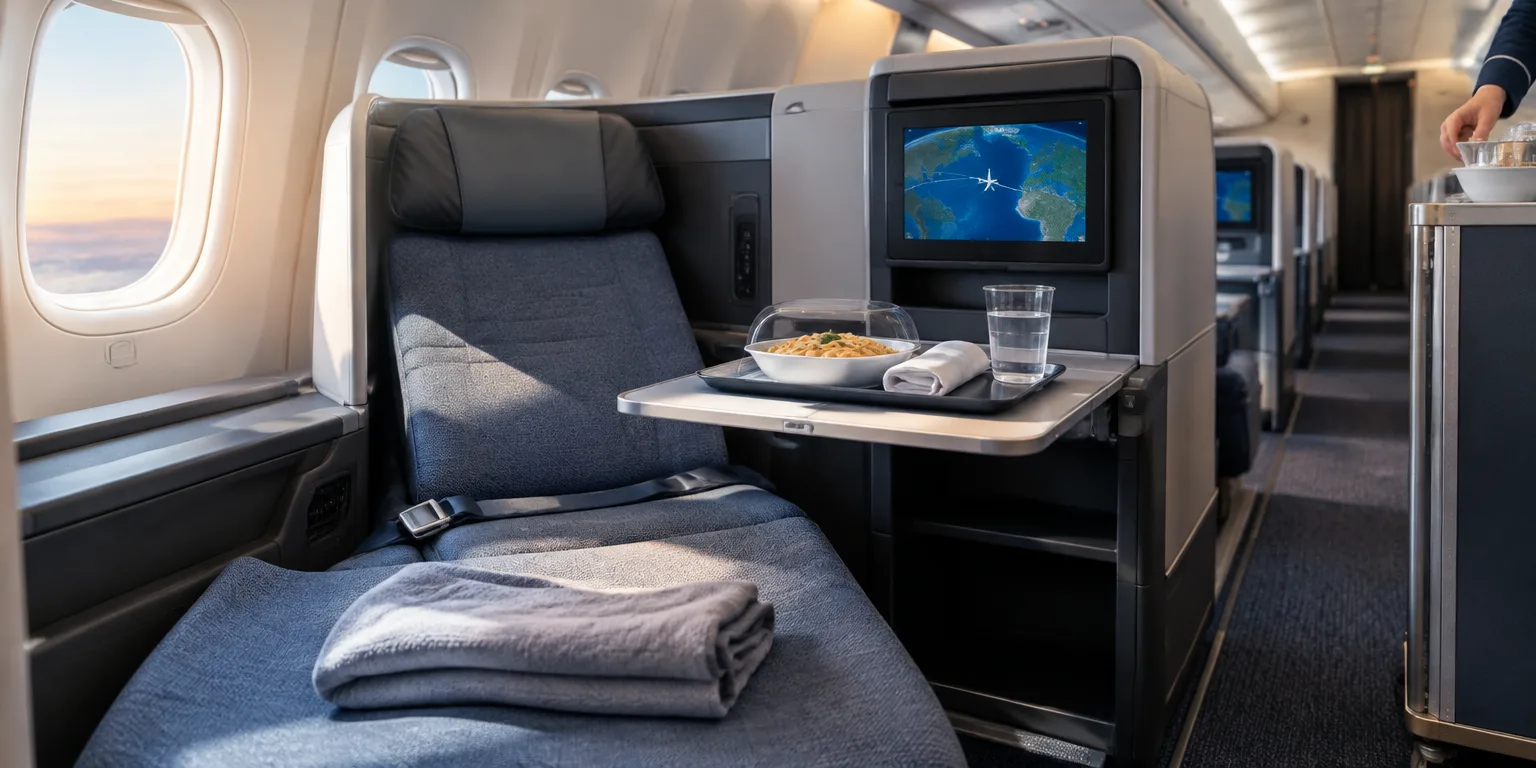
The flight leaves on time. The crew is friendly. The books are balanced. Then you settle into Business class and find a 10-inch screen, reheated pasta, and a "lie-flat" seat with an awkward slope.
That disconnect, argues one aviation writer, is not incompetence. It is strategy. Airlines such as Qantas, American, United, Air New Zealand, and the regional offshoots of Singapore Airlines know exactly what they are doing. They are good at being airlines, he writes, "not luxury hotels at 40,000 feet." Their focus is running a tight, on-time operation and watching costs, not chasing hotel style glamour.
The math helps explain the choice. He points out that a fully rebuilt Business cabin costs millions of dollars for each aircraft, a hard sell when most flights last less than eight hours or premium demand is uneven through the year. The money, in his account, is more reliably made in the middle of the plane and in the hold.
His line for what is missing is blunt: "When you drop ten grand on a ticket, you expect a story worth telling, not a good spreadsheet."
The contrast is Emirates and Qatar Airways. They, he writes, "treat Business and First as the core of their brand narrative, a billboard at 35,000 feet." They are, in his words, "not just selling a seat; they're selling an identity." He writes, "You remember the Dom Pérignon, the sliding doors, and the pyjamas." "For airlines like Qantas or United," he writes, "that kind of theatricality doesn’t align with their culture of pragmatic reliability."
To be fair, he adds that Qantas should not be put in exactly the same box as United on premium cabins, and that Delta, with a cooler Business cabin, is starting to break American carriers out of that pattern. The steady operators, he says, put their money into things passengers rarely photograph, like burning less fuel, keeping staff, and keeping the fleet dependable.
The risk, he argues, is that competence is forgettable. These carriers have mastered logistics, safety, and punctuality but forgotten the fantasy, just as private jets and other high end options reset what luxury feels like. In luxury travel, competence alone does not cut it. As he puts it, "You have to make people feel something, and no Google Sheets spreadsheet can teach that."
Questions people ask
If luxury seats are so memorable, why don't all airlines install them?
Because a single lie-flat seat can cost hundreds of thousands of dollars once engineering, certification, and installation are included, and a full cabin refit runs into the millions per plane. Airlines only earn that back on routes with steady, high-paying business demand, usually long-haul flagships between major financial centers. On shorter or seasonal routes, the extra seats often fly empty or discounted.
Do Emirates and Qatar actually make money from First and Business class?
They do fill premium seats at high fares, especially on hub connections through Dubai and Doha, and the cabins support lucrative loyalty and corporate contracts. But analysts note their real payoff is broader: prestige that drives tourism, government support, and traffic to their hubs. State ownership and geography let them play a longer brand game than most publicly traded rivals.
What is the difference between Business and First class today?
Business class now means a lie-flat bed, direct aisle access, upgraded meals, and lounge access on long flights. First class, which many airlines have dropped, adds more space and privacy, often a closing suite door, plus chauffeured transfers, fancier Champagne, caviar, and more attentive service. On Gulf carriers, the gap is theatrical, with showers, bars, and pajamas that turn the flight into an event.