The Biggest Home Battery Holds Almost Three Times a Tesla Powerwall
At 39.2 kilowatt-hours, Base Core packs nearly triple a Powerwall, and it was tested for a flash flood.
 Not Boring by Packy McCormick · Base Power Company: Chapter 3
Base Power Company’s new home battery, called Base Core, stores more energy than any other home battery for sale at 39.2 kilowatt-hours, almost three times the 13.5 held by a Tesla Powerwall 3.
A kilowatt-hour is a measure of stored energy. Many customers install two Base Core units for nearly 80 kilowatt-hours, giving the company extra room to help steady the grid. Despite holding more energy, the unit is physically smaller than Base’s first battery, Gen 1, with nearly twice the volumetric density.
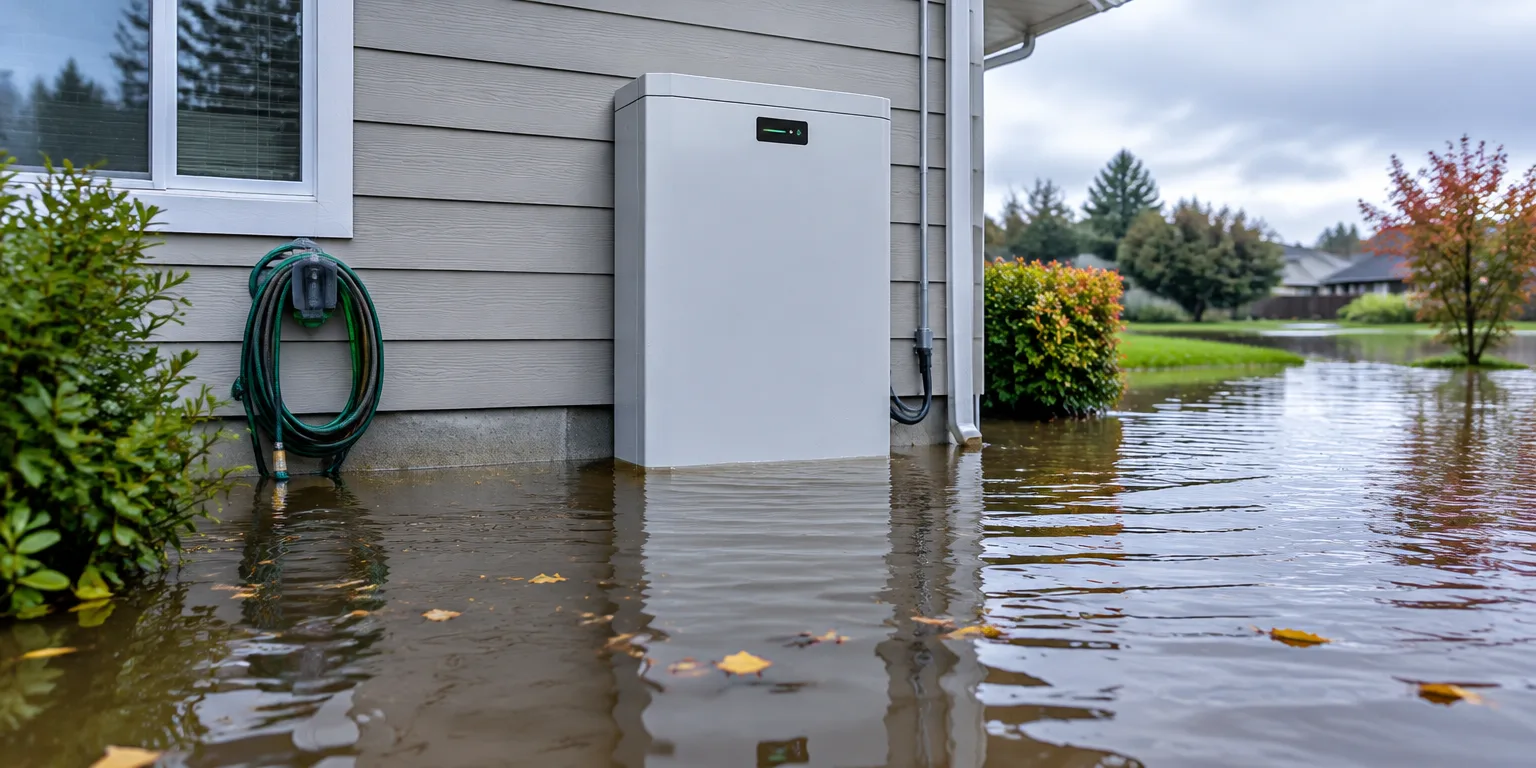
Then there is the water test. Dino Sasaridis, Base’s head of hardware who previously led mechanical engineering on the Powerwall 3 at Tesla, said the team “welded the lid on like a submarine” and tested it “with water all the way up to the top of the inverter.” In that test, it kept working in three feet of water.
Questions people ask
How long will 39.2 kilowatt-hours actually run a house?
U.S. Energy Information Administration data puts a typical American home at about 30 kilowatt-hours per day, so 39.2 kilowatt-hours is more than a full day of average use. Actual backup time depends on the weather and what you run, and with two units customers have nearly 80 kilowatt-hours.
What does the 20-kilowatt inverter do?
The battery includes a 20-kilowatt inverter, which converts stored power into usable household electricity and pushes it out quickly. That quick burst of power lets Base support the grid.
Why build a home battery that works underwater?
The water test expands where Base can operate to include low-lying flood zones. Base tested the battery with water up to the top of the inverter, and it kept working.